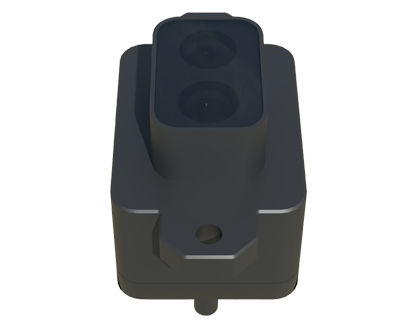
False alarms in laser dust sensors represent a significant challenge across various industries, including manufacturing, environmental monitoring, and HVAC systems. These sensors, which operate on the principle of light scattering, are designed to detect and quantify particulate matter (PM) concentrations in real-time. However, despite their advanced technology, they are prone to triggering inaccurate alerts, leading to operational disruptions, unnecessary maintenance, and reduced trust in monitoring systems. This article delves into the root causes of false alarms, explores practical solutions, and highlights best practices for optimizing sensor performance.
The primary mechanism behind laser dust sensors involves emitting a laser beam through a sampling chamber. When airborne particles pass through this beam, they scatter light, which is then detected by a photodiode. The intensity and pattern of scattered light are analyzed to estimate particle size and concentration. While this method is highly sensitive, it is also susceptible to interference. Common sources of false alarms include environmental factors such as high humidity, condensation, or sudden temperature fluctuations, which can cause light scattering similar to that of dust particles. For instance, in humid conditions, water droplets may be misinterpreted as solid particulates, leading to inflated PM readings.
Another critical factor is contamination of the sensor's optical components. Over time, dust, oil, or other residues can accumulate on the laser window or lens, distorting the light path and resulting in erroneous signals. This is particularly prevalent in industrial settings where airborne contaminants are abundant. Regular cleaning and maintenance are essential, but improper handling—such as using abrasive materials—can further degrade sensor accuracy. Additionally, electrical noise from nearby machinery or power surges can interfere with the sensor's signal processing, causing sporadic false triggers.
Sensor placement also plays a pivotal role in false alarm rates. Installing sensors too close to ventilation ducts, doors, or high-traffic areas can expose them to transient particle clouds that do not reflect overall air quality. For example, a sensor near an entrance might detect dust kicked up by foot traffic, rather than ambient PM levels. To mitigate this, it is recommended to position sensors in stable, representative locations, away from direct airflow or human activity. Calibration is another key aspect; sensors that are not calibrated to their specific environment may produce baseline drift, where readings gradually deviate from true values. Manufacturers often provide calibration guidelines, but on-site adjustments using reference instruments can enhance precision.
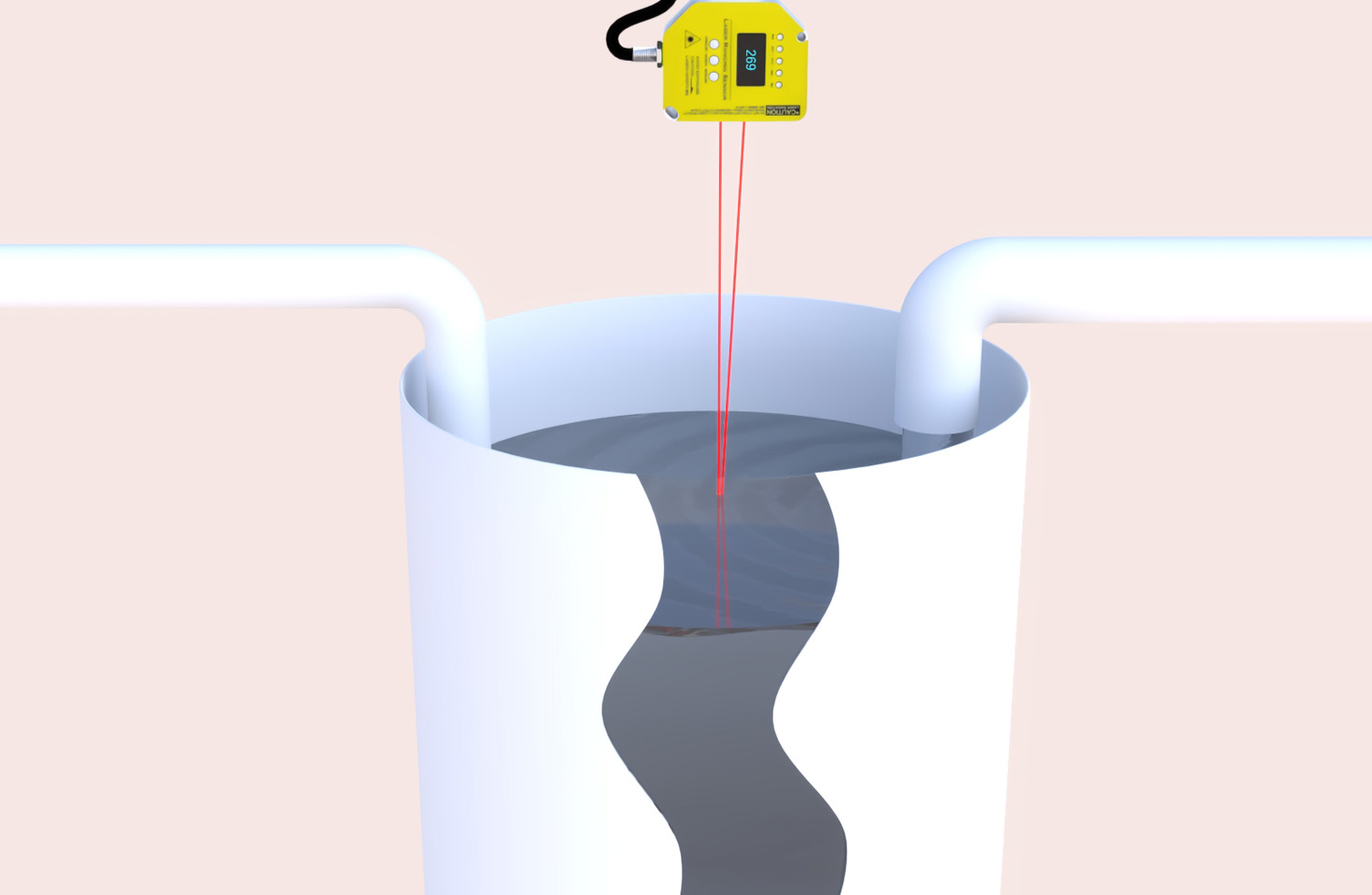
Technological advancements offer promising avenues for reducing false alarms. Some modern sensors incorporate algorithms that differentiate between particle types based on scattering patterns, helping to distinguish dust from water droplets or other interferents. Others feature self-diagnostic capabilities, alerting users to potential issues like lens fouling or laser degradation before false readings occur. Integrating sensors with data analytics platforms can further improve reliability by identifying trends and filtering out anomalies through machine learning. For instance, a system might learn that certain spikes in PM readings coincide with specific operational hours, allowing it to adjust thresholds dynamically.
In practice, a multi-faceted approach is necessary to minimize false alarms. This includes selecting sensors with appropriate specifications for the intended application, such as those with built-in temperature and humidity compensation. Routine maintenance schedules should be established, focusing on gentle cleaning of optical surfaces and inspection of electrical connections. Training personnel on proper installation and troubleshooting can prevent common pitfalls. Moreover, combining laser dust sensors with complementary technologies, like gravimetric samplers or electrostatic sensors, can provide cross-validation and enhance overall system robustness.
Ultimately, while laser dust sensors are invaluable tools for air quality management, their susceptibility to false alarms requires proactive management. By understanding the underlying causes—from environmental interference to technical limitations—and implementing strategic measures, industries can achieve more reliable monitoring. This not only ensures compliance with safety standards but also optimizes operational efficiency and resource allocation. As sensor technology continues to evolve, ongoing research and user feedback will drive further improvements, reducing false alarms and bolstering confidence in particulate detection systems.