Proximity sensors are indispensable components in modern industrial automation, serving critical roles in object detection, positioning, and machine safety. However, a common and frustrating issue faced by maintenance engineers and plant managers is the frequent, premature failure of these sensors. This persistent problem leads to unplanned downtime, production losses, and increased maintenance costs. Understanding the root causes of these failures is the first step toward implementing effective, long-term solutions.
The operational principle of most industrial proximity sensors—whether inductive, capacitive, or ultrasonic—involves generating an electromagnetic field or sonic wave and detecting changes caused by a target object. Their solid-state design, with no moving mechanical parts, suggests inherent reliability. Yet, they operate in harsh industrial environments that present a multitude of stressors. The primary culprits behind frequent sensor failure can be categorized into environmental, electrical, mechanical, and application-specific factors.
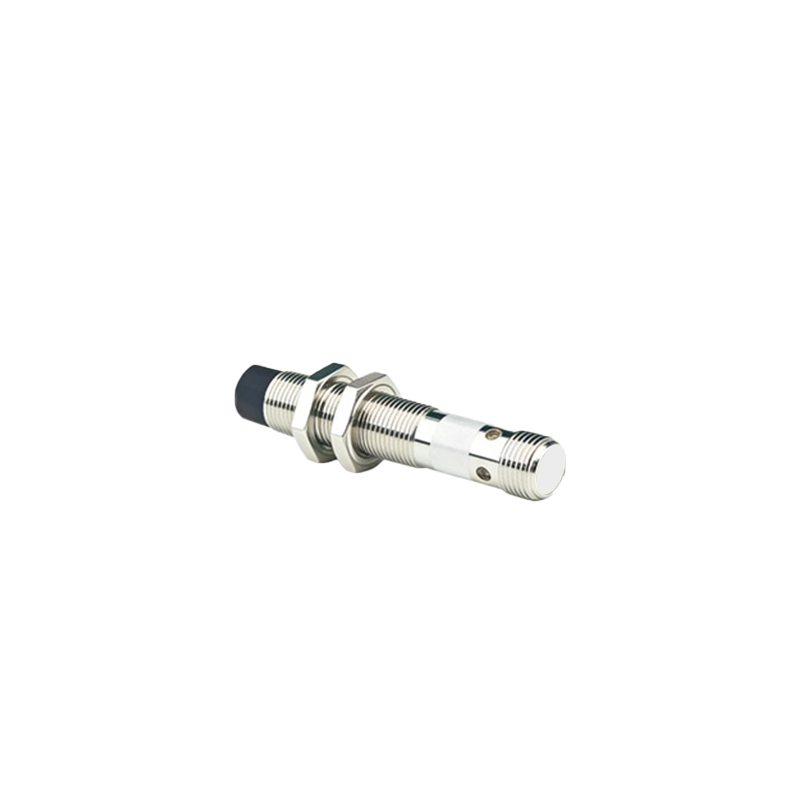
Environmental factors are often the most destructive. Excessive heat is a silent killer; operating a sensor beyond its specified temperature range accelerates the degradation of internal electronic components, particularly semiconductors and seals. Conversely, extreme cold can cause condensation inside the housing, leading to short circuits. Chemical exposure is another major threat. Oils, coolants, solvents, and cleaning agents can attack the sensor's housing material (often PBT or PVC), causing it to swell, crack, or become brittle. This compromises the IP (Ingress Protection) rating, allowing contaminants to seep in and corrode circuitry. Particulate matter like metal chips, dust, and weld spatter can physically coat the sensing face, attenuating the signal, or can enter through damaged seals.
Electrical issues represent a significant portion of failure modes. Voltage spikes and transients on the supply lines, often generated by the switching of large inductive loads like motors or solenoids, can overwhelm the sensor's internal protection circuits. This results in the immediate or gradual failure of sensitive components. Incorrect power supply voltage—either under-voltage causing erratic operation or over-voltage causing thermal damage—is a common installation error. Poor grounding practices create electrical noise that can interfere with the sensor's signal processing, causing false triggers or failure to detect. Furthermore, incorrect wiring, such as short-circuiting the output or reversing polarity on DC sensors, can cause instantaneous damage.
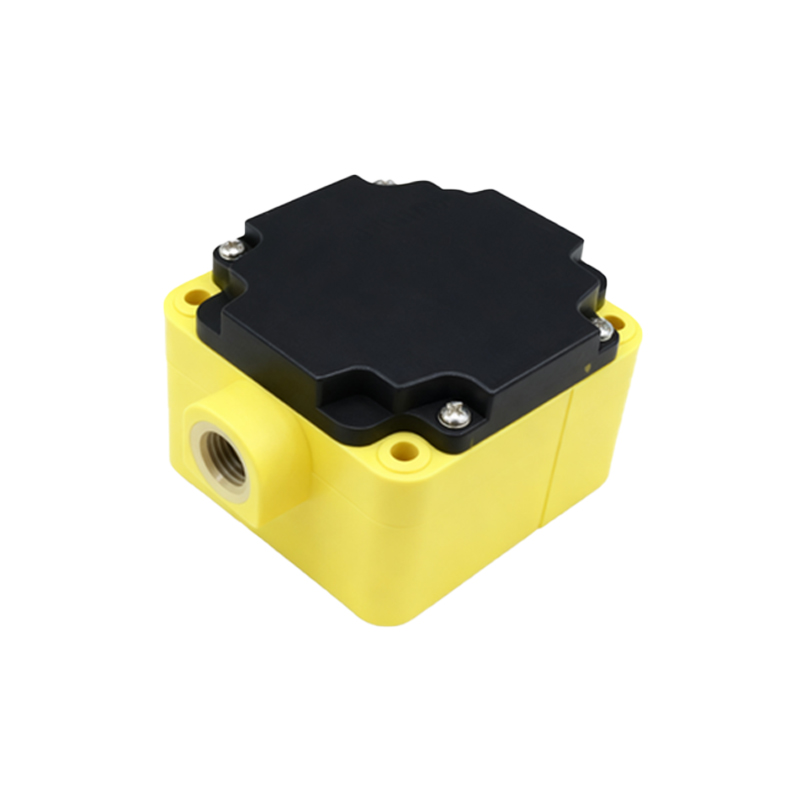
Mechanical and physical damage is frequently overlooked. Vibration can loosen internal connections, fracture solder joints, or cause physical abrasion where cables enter the housing. Despite being "non-contact," sensors are often subjected to physical impact from misaligned parts, forklifts, or tools. This can crack the housing or misalign internal coils and oscillators. Incorrect mounting, such as using excessive torque on the nut, can distort the housing and affect performance. Even the sensing distance plays a role; consistently operating at the absolute maximum range stresses the sensor and reduces its margin for error.
Finally, application-specific errors are a key source of trouble. Using a standard inductive sensor to detect a non-ferrous metal like aluminum or copper at the same range as steel will result in poor performance, as the sensing distance is drastically reduced. This leads to the sensor working at its limit, increasing heat generation and susceptibility to noise. Selecting the wrong sensor type for the environment—for instance, using a capacitive sensor where there is heavy dust accumulation that can stick to the face—is a recipe for failure. Inadequate shielding in environments with strong electromagnetic fields from welding equipment or frequency drives can also cause malfunction.
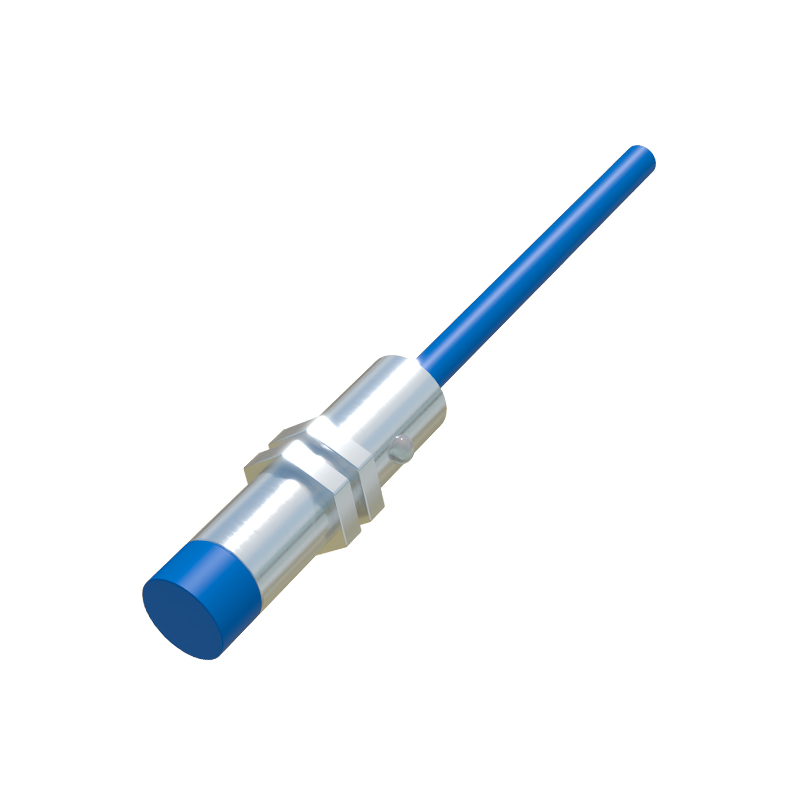
Preventing these frequent failures requires a systematic approach. Start with Correct Selection: Choose a sensor with an appropriate housing material (e.g., stainless steel for chemical exposure), a temperature rating exceeding your maximum ambient, and an IP rating suitable for the environment (IP67 for washdown, IP69K for high-pressure cleaning). For electrical robustness, select models with built-in protection against short-circuits, over-voltage, and reverse polarity. Consider sensors with advanced diagnostics or IO-Link capability for predictive maintenance.
Proper Installation is non-negotiable. Ensure stable, clean power, ideally with a separate, regulated supply for sensitive electronics. Implement surge suppression devices on inductive loads sharing the same circuit. Follow manufacturer guidelines for mounting, including recommended clearances from metal surfaces to prevent side-effects. Use shielded cables in noisy environments and ground them correctly at one end only. Protect sensors in high-impact zones with physical guards or by choosing inherently rugged models.
A disciplined Maintenance Routine transforms reactive repairs into proactive care. Establish a schedule for visually inspecting sensors for physical damage, buildup on the sensing face, and integrity of cable connections. Regularly check the operational distance with a target gauge to ensure it hasn't degraded. Monitor control cabinet temperatures and keep electrical connections tight. Log failure data to identify patterns and problematic locations.
In conclusion, the frequent failure of proximity sensors is rarely due to a single factor but is typically the result of a combination of environmental stress, electrical disturbance, mechanical abuse, or improper