Laser displacement sensors are critical components in modern industrial automation, quality control, and precision measurement applications. As an experienced electrical engineer in the industry, I often encounter the question: "How much does a laser displacement sensor cost?" The answer is not straightforward, as prices vary significantly based on technology, performance, and brand. This article provides a detailed breakdown of laser displacement sensor pricing to help professionals make informed purchasing decisions.
The cost of a laser displacement sensor typically ranges from $500 to $10,000 or more. Entry-level models, suitable for basic distance measurement in non-demanding environments, usually fall between $500 and $1,500. These sensors offer moderate accuracy (around ±0.1% to ±0.5% of measurement range) and standard features like analog outputs (e.g., 4-20mA, 0-10V) and simple digital interfaces. They are commonly used in applications such as object detection, basic positioning, and thickness measurement in manufacturing lines.
Mid-range sensors, priced from $1,500 to $5,000, provide enhanced performance with higher accuracy (often ±0.01% to ±0.05%), faster sampling rates (up to 50 kHz), and advanced functionalities. These may include integrated temperature compensation, robust housing for harsh environments (IP67 rating), and support for industrial communication protocols like EtherCAT, PROFINET, or IO-Link. Applications often involve precision assembly, robotics guidance, and automotive inspection systems where reliability and speed are crucial.
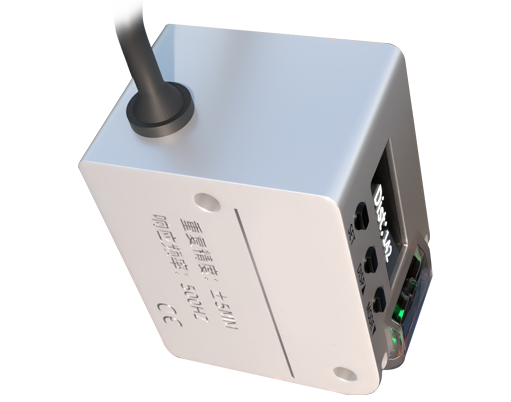
High-end laser displacement sensors, costing $5,000 to $10,000+, are designed for ultra-precise and specialized tasks. They achieve sub-micron accuracy (e.g., ±0.001 mm), ultra-high speeds (over 100 kHz), and may incorporate blue laser technology for measuring shiny or transparent surfaces. Additional features might include advanced software for data analysis, multi-point measurement capabilities, and custom calibration. These sensors are prevalent in semiconductor manufacturing, aerospace component inspection, and research laboratories.
Several factors influence the price beyond just performance specs. Brand reputation plays a role—established manufacturers like Keyence, Panasonic, and Micro-Epsilon often command premium prices due to their reliability and support. Measurement range and spot size also affect cost; longer ranges or smaller spots for detailed measurements typically increase price. Environmental durability (e.g., resistance to dust, vibration, or extreme temperatures) and certification (like CE or UL) add to expenses. Additionally, consider hidden costs such as mounting accessories, calibration services, and software licenses, which can add 10-20% to the initial purchase.
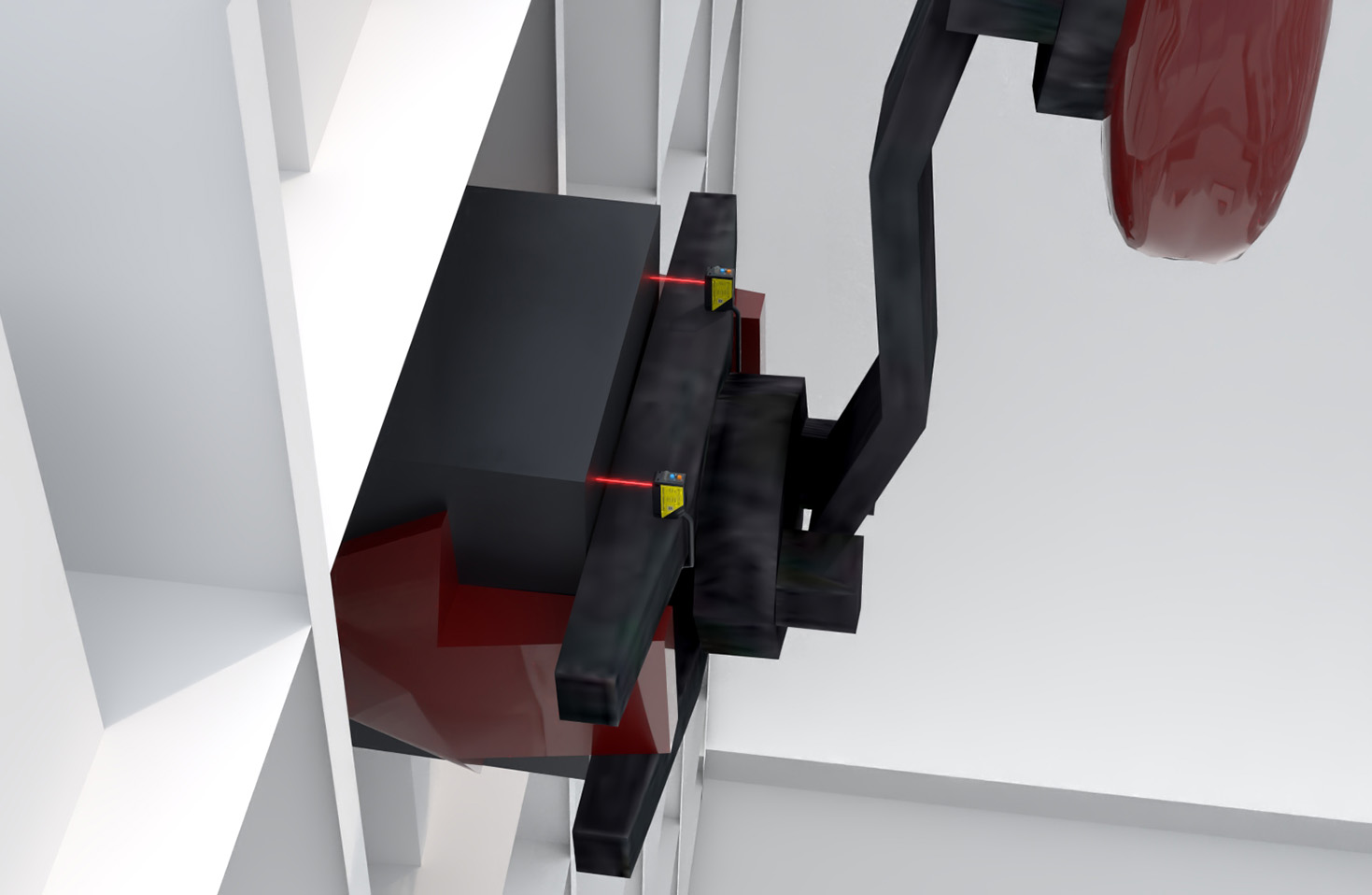
When budgeting, it's essential to align the sensor's capabilities with your application needs. Over-specifying can lead to unnecessary costs, while under-specifying may result in measurement errors and downtime. For example, a $3,000 sensor with ±0.02% accuracy might be ideal for automated welding seam tracking, whereas a $800 model could suffice for basic conveyor belt monitoring. Always evaluate total cost of ownership, including maintenance and potential integration expenses.
In summary, laser displacement sensor prices are highly variable, driven by technical requirements and application contexts. By understanding the market segments—from economical options for simple tasks to premium solutions for critical measurements—engineers can optimize investments. For precise quotes, consult suppliers with detailed project specifications, and consider leasing or refurbished units for cost-sensitive scenarios. Ultimately, the right sensor balances performance, durability, and budget to ensure long-term operational efficiency.