In the realm of industrial automation and control, proximity sensors are indispensable components for non-contact detection of objects. The performance, durability, and reliability of these sensors are profoundly influenced by their material composition, particularly the ceramics used in their construction. Ceramic materials are favored for their exceptional electrical insulation, thermal stability, chemical resistance, and mechanical hardness. This article delves into the primary types of ceramics employed in proximity sensors and their specific roles in enhancing sensor functionality.
Alumina Ceramics (Al₂O₃): Aluminum oxide, or alumina, is arguably the most prevalent ceramic in proximity sensor manufacturing. It is typically used in grades ranging from 96% to 99.5% purity. Alumina ceramics serve as excellent insulating housings and protective caps for sensor faces. Their key properties include high dielectric strength, which prevents electrical leakage and ensures stable sensing fields, and outstanding wear resistance, which protects the sensor from abrasive particulates in harsh environments like machining or material handling. Alumina's good thermal conductivity also helps dissipate heat generated by internal electronics, contributing to long-term stability.
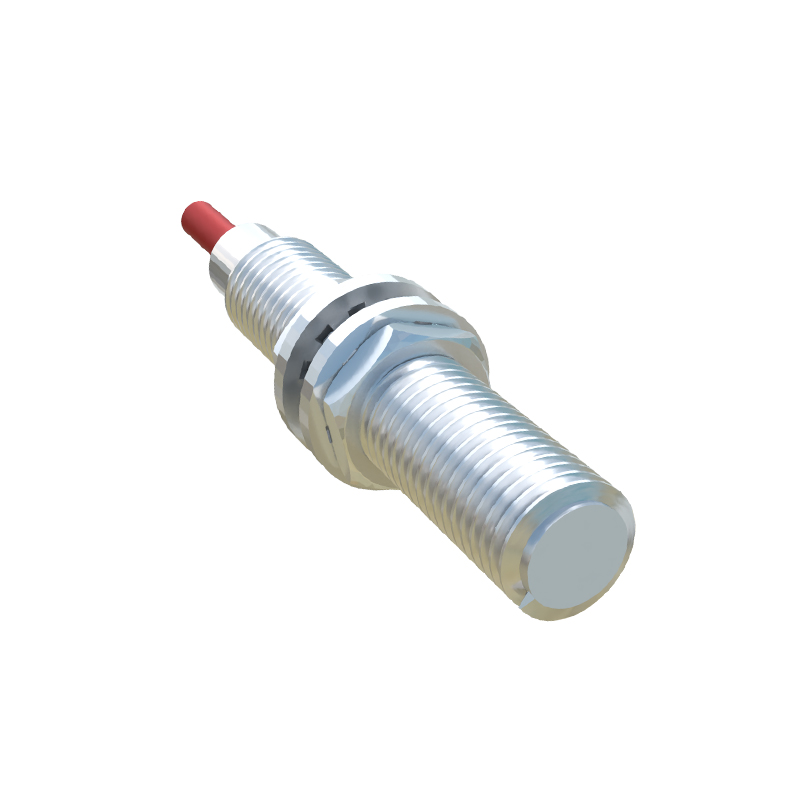
Zirconia Ceramics (ZrO₂): Zirconium dioxide, or zirconia, is chosen for applications demanding superior toughness and mechanical strength. Its high fracture toughness, a result of a transformation toughening mechanism, makes it highly resistant to cracking and chipping. This property is critical for sensors exposed to potential physical impacts or high-vibration settings. Furthermore, zirconia exhibits low thermal conductivity, which can be advantageous in thermally isolating sensitive internal components. It is often used in specialized inductive or capacitive sensor heads where extreme mechanical robustness is required.
Steatite Ceramics (MgSiO₃): Steatite, primarily composed of magnesium silicate, is a cost-effective ceramic with good electrical insulation and mechanical properties. It possesses a lower dielectric constant compared to alumina, which can be a design consideration for certain capacitive sensing applications. While its mechanical strength and thermal shock resistance are generally lower than those of alumina or zirconia, steatite remains a reliable choice for standard-duty proximity sensors in less aggressive industrial environments, offering a balance of performance and economy.
Advanced Technical Ceramics: For high-end and extreme-condition applications, advanced ceramics like Silicon Nitride (Si₃N₄) and Aluminum Nitride (AlN) are utilized. Silicon Nitride offers an exceptional combination of high strength, thermal shock resistance, and low density. Its use is typically reserved for sensors in aerospace or advanced automotive testing. Aluminum Nitride is prized for its very high thermal conductivity—surpassing that of many metals—coupled with excellent electrical insulation. This makes AlN an ideal substrate or housing material for sensors in high-power electronic systems where efficient heat dissipation is paramount to prevent performance drift or failure.
The role of ceramics extends beyond mere protection. In inductive proximity sensors, the ceramic face influences the electromagnetic field's shape and penetration. In capacitive sensors, the dielectric properties of the ceramic directly affect sensitivity and calibration. The choice of ceramic is thus a critical design decision, balancing factors such as the operating environment (temperature, chemicals, abrasives), required sensing distance and accuracy, mechanical stress, lifecycle cost, and regulatory standards for electrical safety.
In conclusion, the silent workhorse within many modern proximity sensors is its ceramic component. From the ubiquitous alumina to the specialized zirconia and advanced nitrides, each ceramic type brings a unique set of properties that engineers leverage to create robust, reliable, and precise sensing solutions. As industrial environments grow more demanding and sensing requirements more stringent, the evolution and tailored application of sensor ceramics will continue to be a cornerstone of innovation in automation technology.