In the realm of industrial automation, proximity switch sensors are indispensable components for non-contact detection of metallic objects. At the heart of many inductive proximity sensors lies a critical element: the ferrite core, often colloquially referred to as the "sensor head" or "ferrite head." This component is far more than a simple piece of material; it is the engineered cornerstone that defines the sensor's electromagnetic field characteristics, sensing range, stability, and overall performance. Understanding its design, material properties, and selection criteria is paramount for engineers specifying and maintaining these systems.
Ferrite, a ceramic compound composed primarily of iron oxide (Fe2O3) blended with other metallic elements like manganese, zinc, or nickel, is the material of choice for these cores. Its properties make it uniquely suited for high-frequency inductive applications. Unlike solid iron, ferrite exhibits high electrical resistivity, which drastically reduces eddy current losses when the sensor's oscillator coil is energized. This allows for the generation of a strong, stable, and high-frequency alternating magnetic field from the sensor face with minimal energy loss and heat generation. The core's primary function is to concentrate and direct this magnetic flux outward from the sensor in a well-defined pattern, creating the active sensing zone.
The design geometry of the ferrite core is a key performance driver. Common shapes include pot cores, E-cores, and rod or cup cores, each offering different magnetic flux path characteristics. A pot core, for instance, excellently shields the coil and provides a highly focused, directional field, ideal for precise sensing with minimal side interference. The physical dimensions and shape directly influence the sensor's nominal sensing distance (Sn). A larger or more optimally shaped core can enhance the range, but it is always a careful balance against the sensor's required size, response frequency, and the need to suppress unwanted electromagnetic interference (EMI) from nearby devices or sensors.
Material selection within the ferrite family is equally critical. Engineers choose specific ferrite grades based on their initial permeability (μi), saturation flux density (Bs), and Curie temperature. High-permeability ferrites are excellent for achieving high sensitivity and longer ranges at standard operating frequencies. However, for sensors operating in environments with wide temperature swings or high DC bias conditions, a grade with higher saturation flux density and a higher Curie point is necessary to prevent performance degradation or failure. The core must maintain its magnetic properties reliably across the sensor's specified operational temperature range, typically from -25°C to +70°C or beyond for heavy-duty models.
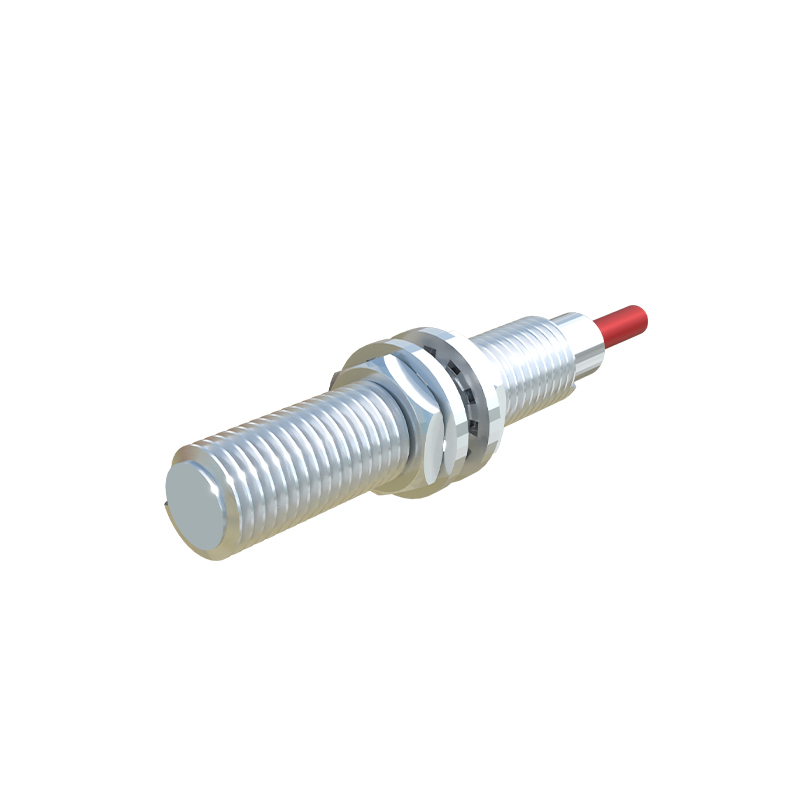
The integration of the ferrite core into the sensor housing involves precise manufacturing. The core is often epoxy-potted or overmolded with a robust, chemically resistant plastic compound. This encapsulation serves multiple purposes: it physically protects the brittle ferrite material from mechanical shock and vibration, provides a hermetic seal against contaminants like coolants, oils, and metal dust, and creates the final sensing face. The thickness and material of this front cover also factor into the effective sensing distance, as they form part of the magnetic circuit. A thicker or metallically filled cover will reduce the range, which is accounted for during sensor calibration.
In practical application, selecting the right sensor—and by extension, the right ferrite core design—depends on the target material and the operating environment. Standard inductive sensors with ferrite cores are optimized for detecting mild steel. For detecting non-ferrous metals like aluminum, copper, or brass, sensors often employ a different core design and oscillator frequency to compensate for the lower permeability and higher conductivity of these targets, which induce weaker eddy currents. In harsh environments with strong magnetic fields or welding currents, special shielding techniques or ferrite formulations with high coercivity may be employed to ensure false triggering does not occur.
Maintenance and troubleshooting also involve the ferrite core. Physical damage to the sensor face, such as cracks or chips in the encapsulation that expose or damage the core, will severely impair performance. Accumulation of ferrous particles on the sensing face can effectively become part of the magnetic circuit, reducing the effective sensing range or causing a permanent "on" state. Regular cleaning with a non-metallic brush and inspection for integrity are standard preventive measures.
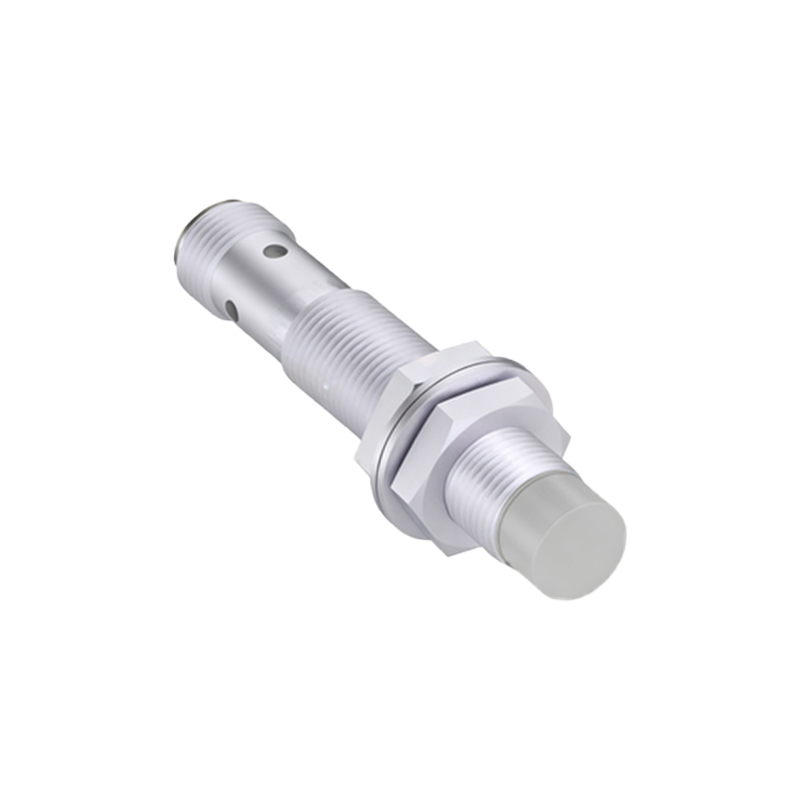
In conclusion, the ferrite core in a proximity sensor is a masterpiece of applied materials science and electromagnetic engineering. Its optimized design and material composition enable the reliable, millions-of-cycles operation that modern automated systems depend on. For the engineering professional, a deep appreciation of this component informs better sensor selection, solves complex application challenges, and ensures the longevity and reliability of the entire sensing system. As sensor technology evolves with trends like miniaturization and IO-Link intelligence, advancements in ferrite materials and core geometries will continue to push the boundaries of what is possible in non-contact detection.