In the intricate and demanding world of railway infrastructure, the reliable detection of train presence, component position, and track integrity is paramount. Proximity sensors have emerged as a cornerstone technology in this domain, providing non-contact, high-precision sensing solutions that are critical for safety, automation, and maintenance. Unlike traditional mechanical switches or contact-based systems, proximity sensors for railway applications offer unparalleled durability and accuracy in harsh environmental conditions, including extreme temperatures, vibration, moisture, and electromagnetic interference.
The primary function of a rail-mounted proximity sensor is to detect the presence or absence of a metallic object—typically a train wheel, axle, or a specific part of the rolling stock or track mechanism—without any physical contact. This is predominantly achieved through inductive sensing technology. An inductive proximity sensor generates an electromagnetic field. When a ferrous metal object, such as a steel train wheel, enters this field, it causes a change in the oscillation amplitude within the sensor. This change is detected by the sensor's circuitry, which then triggers a solid-state output signal. This signal is used to relay critical information to the railway's control and signaling systems, such as Train Control Management Systems (TCMS) or trackside interlockings.
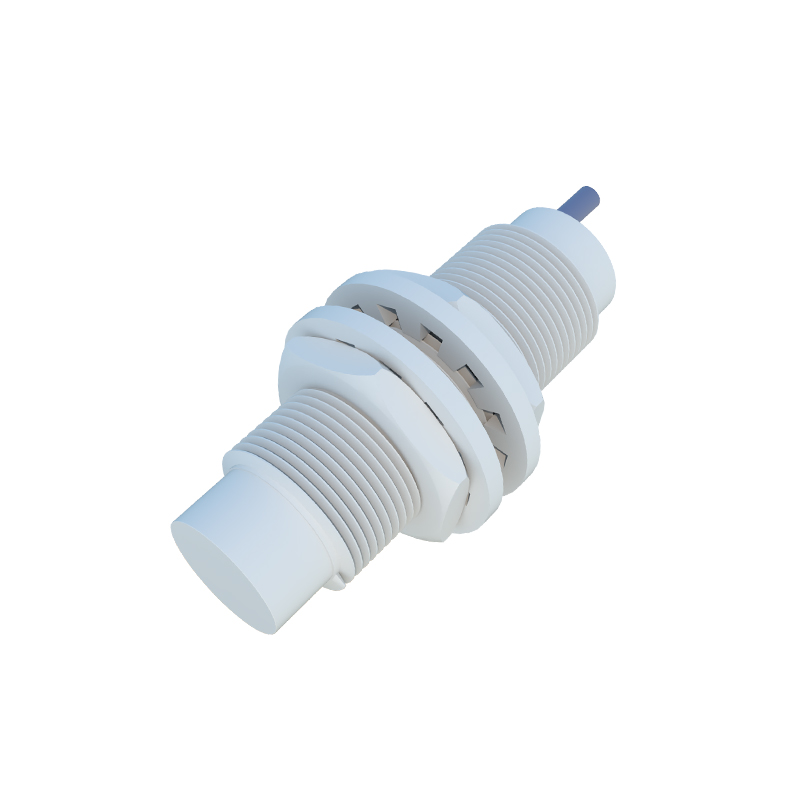
The applications within railway systems are diverse and vital. One of the most critical uses is in axle counting systems. Arrays of proximity sensors installed between the rails at strategic points, like station entries or block section boundaries, detect the passage of each individual axle. By counting axles in and out of a section, these systems provide definitive train occupancy information, forming a safer and more reliable alternative to traditional track circuits. This data is fundamental for signaling, preventing collisions, and managing rail traffic efficiently.
Another crucial application is in level crossing protection. Proximity sensors can monitor the position of crossing gates, ensuring they are fully lowered or raised. They can also detect the presence of a vehicle or obstruction on the crossing itself, providing an additional layer of safety. In maintenance and depot operations, these sensors are indispensable. They are used for precise positioning of trains during automated washing systems, for checking pantograph height, and in wheel flange detection systems to identify wear and potential defects before they lead to failures.
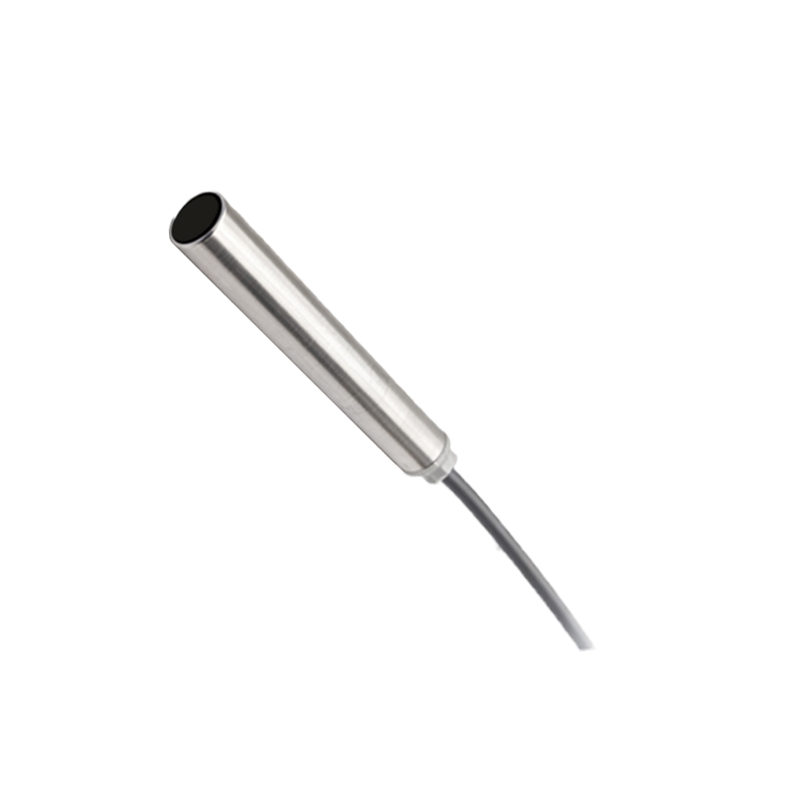
The design and specification of railway-grade proximity sensors are subject to rigorous standards. They must comply with international norms such as EN 50155 (railway applications - electronic equipment used on rolling stock) for environmental and operational robustness. Key performance characteristics include an extended operating temperature range (often -40°C to +85°C), high ingress protection ratings (IP67, IP69K) against dust and water, exceptional shock and vibration resistance, and immunity to the strong electromagnetic fields generated by traction motors and power lines. Housing materials are typically robust stainless steel or nickel-plated brass to withstand corrosion from de-icing salts and other contaminants.
Furthermore, the integration of these sensors into the broader Industrial Internet of Things (IIoT) framework is a growing trend. Modern "smart" proximity sensors can provide diagnostic data, such as signal strength, temperature, and operational hours, to predictive maintenance systems. This shift from simple binary detection to condition monitoring allows railway operators to move from scheduled maintenance to need-based interventions, significantly reducing downtime and operational costs while enhancing overall system reliability.
Installation and maintenance, though simplified by the non-contact nature of the technology, require careful consideration. Sensors must be precisely aligned and mounted to ensure consistent detection of the target. Regular functional checks are necessary to confirm that sensing ranges have not degraded due to physical damage or the accumulation of metallic debris (known as "chip build-up"), which can attenuate the electromagnetic field.
In conclusion, proximity sensors are silent guardians of the railway ecosystem. Their ability to deliver consistent, contactless detection in the most challenging environments makes them an essential component for modern rail safety and automation. From ensuring the precise separation of trains to enabling automated depot functions, these sensors contribute directly to the punctuality, efficiency, and, most importantly, the safety of passenger and freight rail services worldwide. As rail networks continue to evolve towards greater automation and digitalization, the role of advanced, intelligent proximity sensing will only become more central to their operation.