In the realm of industrial automation and electronic systems, proximity sensors are indispensable components that detect the presence or absence of objects without physical contact. This comprehensive collection showcases various types of proximity sensors through detailed images, accompanied by explanations of their working principles, typical applications, and key selection criteria.
Inductive Proximity Sensors are widely used for detecting metallic objects. The image gallery includes examples of cylindrical and rectangular housings, often in stainless steel or nickel-plated brass. These sensors operate on the principle of electromagnetic induction, where a coil generates an oscillating magnetic field. When a metal target enters this field, eddy currents are induced, causing a change in oscillation amplitude that triggers the sensor output. Common applications involve position sensing in conveyor systems, machine tools, and robotic arms. Key specifications to note in images include sensing ranges (from 1 mm to 60 mm), output types (PNP/NPN), and connection methods (cable or connector-based).
Capacitive Proximity Sensors can detect both metallic and non-metallic materials, such as plastics, liquids, or granules. The visual collection highlights their typically shielded or unshielded designs, with sensing faces made of materials like PTFE for harsh environments. These sensors work by measuring changes in capacitance between the sensor and the target. Images often depict their use in level detection for tanks, material handling in packaging lines, and touch-sensitive interfaces. Important features visible in photos include adjustable sensitivity potentiometers and LED indicators for status monitoring.
Magnetic Proximity Sensors, including reed switches and Hall effect sensors, are featured for detecting permanent magnets. The gallery presents compact designs suitable for embedded applications, such as in cylinder position feedback or door closure sensing. Reed switch images show glass-encapsulated contacts, while Hall effect sensors display IC-based packages. These sensors are pivotal in safety interlocks and automotive systems.
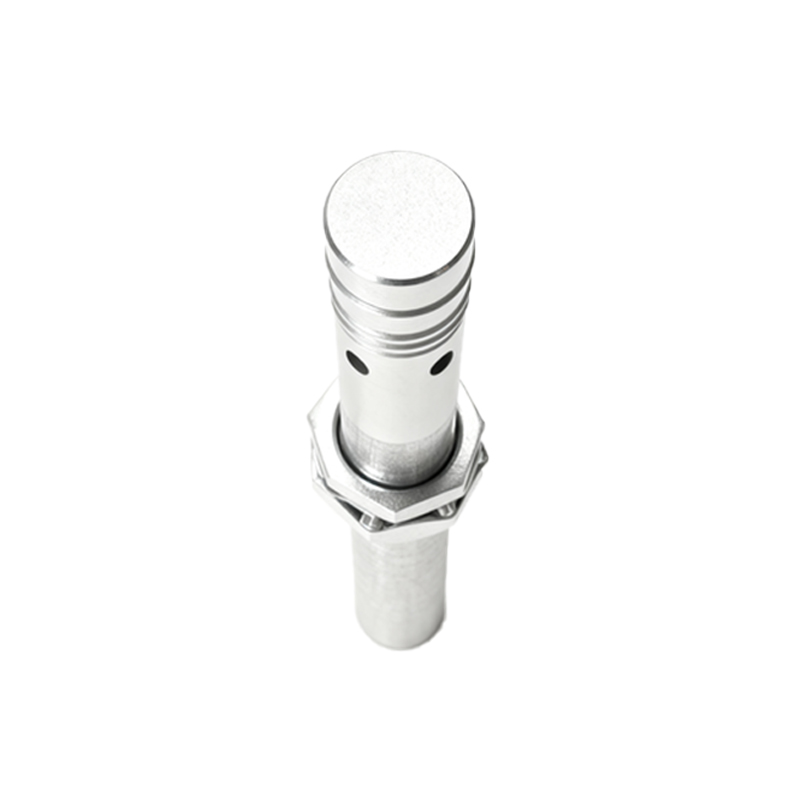
Ultrasonic Proximity Sensors utilize sound waves for detection, capable of sensing objects regardless of material composition. The image compilation illustrates both through-beam and reflective models, with transducers often housed in rugged enclosures for outdoor or dusty conditions. Applications include distance measurement in AGVs (Automated Guided Vehicles) and bulk material level monitoring. Photos emphasize parameters like beam angle and blind zones.
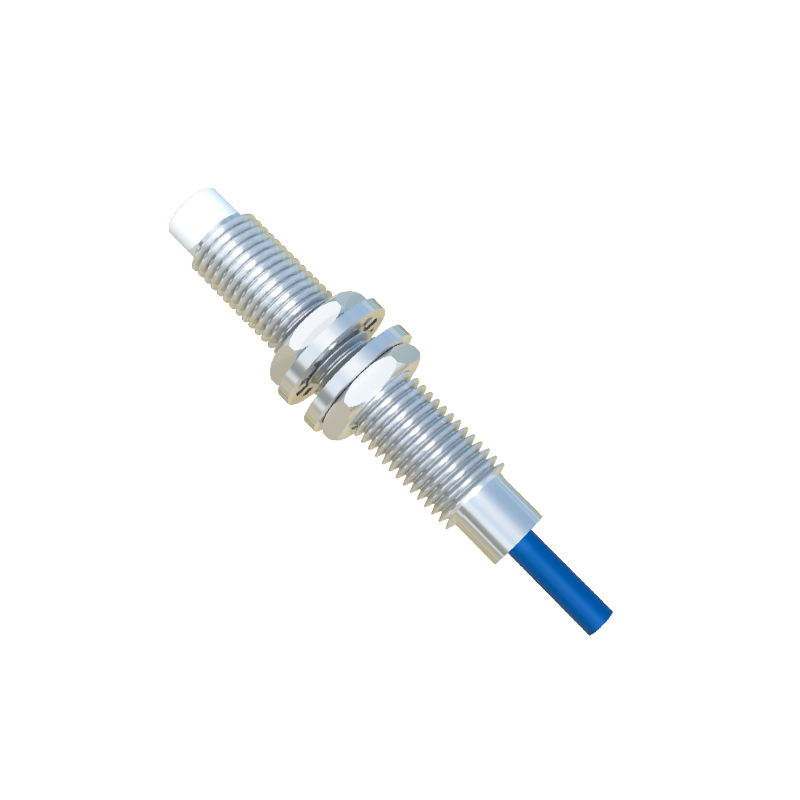
Photoelectric Sensors, though sometimes categorized separately, function as proximity devices using light beams. The collection includes diffuse-reflective, retro-reflective, and through-beam types, with images highlighting their lenses and alignment aids. They excel in detecting transparent objects or in color-based differentiation tasks within pharmaceutical or food industries.
Selection guidance is woven into the visual tour: factors like environmental conditions (IP ratings visible in housing designs), temperature ranges, and output configurations are annotated. Installation examples demonstrate proper mounting clearances to avoid interference. The gallery also contrasts standard sensors with specialized variants, such as high-temperature models for foundries or weld-field immune types for robotic welding cells.
This curated image resource serves as a practical reference for engineers and technicians, aiding in sensor identification, application brainstorming, and system integration. By pairing technical imagery with concise explanations, it bridges the gap between catalog specifications and real-world implementation, ensuring informed decision-making for automation projects.