Proximity sensors are vital components in modern industrial automation, providing non-contact detection of objects within a specific range. These devices operate on various physical principles, each suited to different applications and environmental conditions. The most common types include inductive, capacitive, ultrasonic, and photoelectric sensors. Understanding their working mechanisms and appropriate use cases is essential for optimizing automated systems.
Inductive proximity sensors are widely used for detecting metallic objects. They generate an electromagnetic field using a coil and oscillator. When a metal target enters this field, eddy currents are induced in the target, causing a change in the sensor's oscillation amplitude. This change triggers a switching circuit, signaling the presence of the object. These sensors are ideal for harsh environments due to their robustness and resistance to dust, moisture, and vibrations. Common applications include position sensing in conveyor systems, metal detection in manufacturing, and safety interlocks in machinery.
Capacitive proximity sensors can detect both metallic and non-metallic materials, such as plastics, liquids, and granular substances. They function by generating an electrostatic field between two electrodes. When an object enters this field, it alters the capacitance, leading to a change in the oscillator's output. This change is processed to activate the sensor's switch. Capacitive sensors are often employed in level detection for tanks, material handling systems, and packaging lines where diverse materials must be monitored.
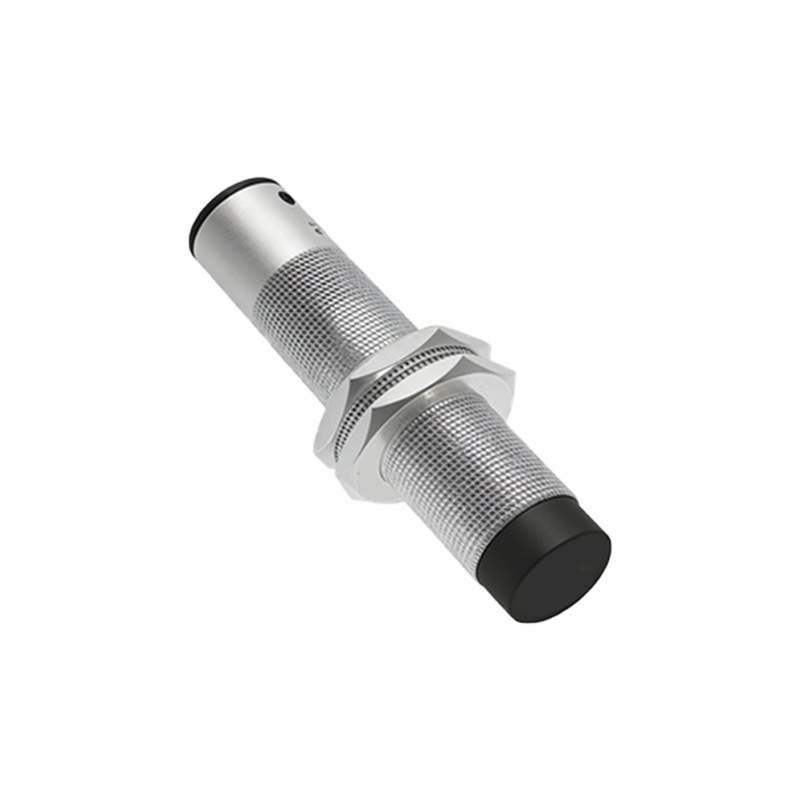
Ultrasonic proximity sensors utilize sound waves beyond the human hearing range (typically 20 kHz to 200 kHz). They emit ultrasonic pulses and measure the time taken for the echo to return after reflecting off an object. By calculating the time delay, the sensor determines the distance to the target. These sensors excel in detecting objects regardless of color, transparency, or material composition, making them suitable for distance measurement, object counting, and presence detection in complex environments like warehouses or automotive assembly lines.
Photoelectric sensors operate based on light transmission. They consist of an emitter (usually an LED or laser diode) and a receiver. When an object interrupts or reflects the light beam, the receiver detects the change, triggering an output signal. Photoelectric sensors are categorized into through-beam, retro-reflective, and diffuse-reflective types, each offering distinct advantages for range and accuracy. They are commonly used in packaging, bottling, and electronic assembly for precise detection of small or fast-moving items.
The selection of a proximity sensor depends on factors such as detection range, target material, environmental conditions, and required response time. For instance, inductive sensors are preferred for metal detection in oily or dirty settings, while capacitive sensors handle non-metallic substances in controlled environments. Ultrasonic and photoelectric sensors offer versatility for varied applications but may be affected by temperature fluctuations or ambient light.
In industrial automation, proximity sensors enhance efficiency, safety, and reliability. They enable precise control in robotic arms, monitor production lines for jams or shortages, and ensure operator safety by detecting intrusions into hazardous zones. With advancements in technology, modern sensors now feature integrated diagnostics, IoT connectivity, and miniaturization, allowing for smarter and more adaptive systems.
Regular maintenance and calibration are crucial to ensure long-term performance. Factors like sensor mounting, alignment, and environmental interference should be considered during installation. By leveraging the right proximity sensor for each task, industries can achieve higher productivity, reduced downtime, and improved quality control.
Overall, proximity sensors are indispensable tools in automation, driving innovation across manufacturing, automotive, food processing, and logistics sectors. Their ability to provide accurate, non-contact detection makes them a cornerstone of modern industrial operations, paving the way for more intelligent and responsive machinery.