In today's rapidly evolving industrial automation landscape, proximity sensors remain a cornerstone technology for object detection, positioning, and safety applications. Understanding the current price trends and market dynamics is crucial for procurement specialists, system integrators, and design engineers. The global proximity sensor market is influenced by a complex interplay of factors including raw material costs, technological advancements, supply chain stability, and regional demand fluctuations.
The primary cost drivers for inductive, capacitive, ultrasonic, and photoelectric proximity sensors are the core sensing elements and housing materials. Fluctuations in the prices of copper, nickel, PBT plastics, and semiconductor chips directly impact manufacturing costs. Throughout 2023 and into early 2024, the market has experienced a gradual stabilization after the significant volatility seen during the post-pandemic supply chain disruptions. However, geopolitical tensions and energy costs continue to apply moderate upward pressure on base material prices.
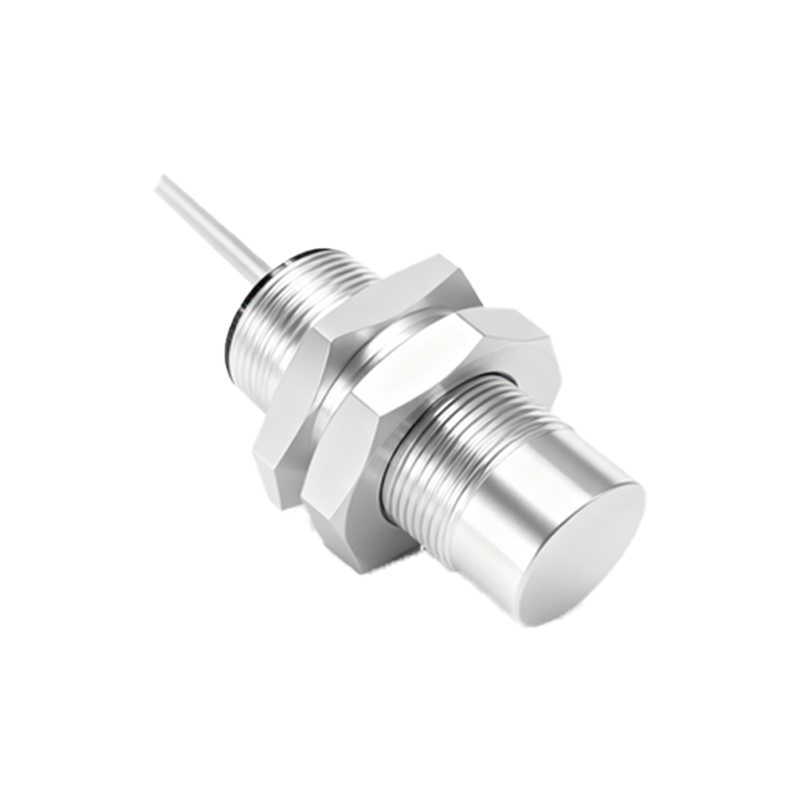
From a technological standpoint, the proliferation of IO-Link communication and smart sensor capabilities has created a two-tiered pricing structure. Standard, non-networked sensors remain highly competitive, with prices for basic cylindrical inductive models (e.g., M12, M18) ranging from $25 to $80 USD depending on brand, sensing distance, and housing material. In contrast, intelligent sensors with advanced diagnostics, parameterization, and digital communication interfaces command a significant premium, often 50% to 150% higher than their standard counterparts. This premium is justified by reduced wiring costs, enhanced predictive maintenance data, and easier integration into Industry 4.0 frameworks.
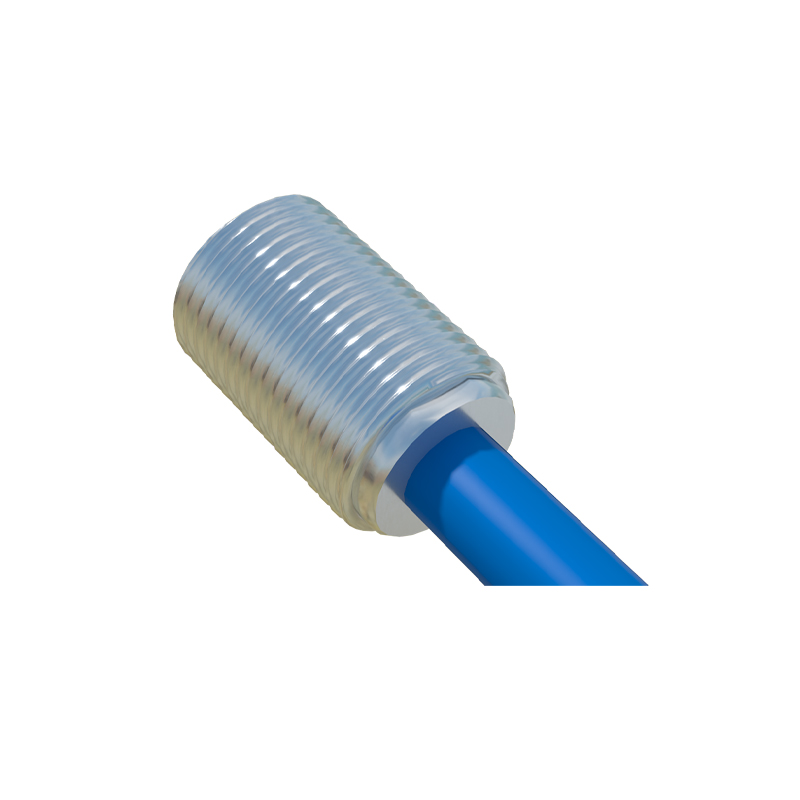
Regional analysis reveals distinct pricing landscapes. North American and European markets, characterized by high demand for premium, certified (e.g., SIL, ATEX) products and robust after-sales support, generally exhibit higher average selling prices. Manufacturers like Pepperl+Fuchs, Sick, and Omron dominate this segment. The Asia-Pacific market, particularly China and Southeast Asia, is a hub for volume production and features intense competition among both international brands and local manufacturers. This competition has led to aggressive pricing for standard models, making APAC a source for cost-effective solutions, though with potential trade-offs in lead times and certification comprehensiveness.
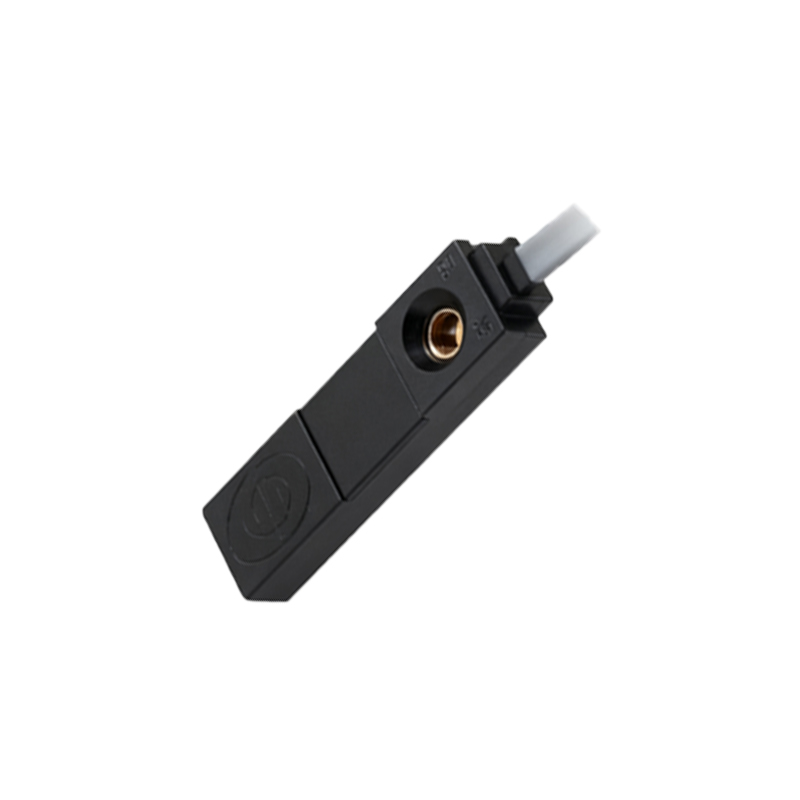
The competitive landscape is further segmented by application specificity. Sensors designed for harsh environments—featuring stainless steel housings, extended temperature ranges, or high IP ratings—incur higher manufacturing costs. Similarly, specialized variants for food and beverage (FDA-compliant materials) or welding cell applications (immune to magnetic fields) carry price premiums. For standard industrial automation tasks in controlled environments, a broader selection of competitively priced options exists from a wide array of global and regional suppliers.
Looking forward, several trends will shape pricing. The gradual adoption of new, more efficient manufacturing techniques and the increasing use of alternative, cost-stable materials may exert downward pressure. Conversely, the accelerating demand for miniaturized, ultra-precise, and highly integrated sensors for robotics and electric vehicle manufacturing will support higher price points for advanced products. Procurement strategies should therefore focus on total cost of ownership rather than just unit price. Factors like sensor longevity, mean time between failures (MTBF), compatibility with existing infrastructure, and the cost of integration and maintenance play a critical role in the final economic equation.
In conclusion, the proximity sensor market offers a wide spectrum of pricing, tightly correlated with functionality, robustness, and intelligence. While base commodity-type sensor prices are stabilizing, innovation continues to drive the premium segment. A thorough analysis of application requirements, coupled with a strategic view of the supply chain, is essential for making optimal purchasing decisions in this dynamic and essential component category.