In the realm of industrial automation and control systems, proximity sensors stand as critical components for non-contact detection, ensuring efficiency, safety, and precision. Among the notable manufacturers in this field, Sodilong has established a reputation for producing reliable and versatile proximity sensors. This article delves into the technical aspects, operational principles, and key applications of Sodilong proximity sensors, providing a comprehensive overview for engineers and procurement specialists.
Proximity sensors, by design, detect the presence or absence of an object within a specified range without physical contact. Sodilong's product line primarily focuses on inductive and capacitive sensors, which are the workhorses of modern industrial environments. Inductive proximity sensors are engineered to detect metallic objects. They operate on the principle of electromagnetic induction. The sensor generates an oscillating electromagnetic field from its active face. When a metallic target enters this field, eddy currents are induced on the target's surface, causing a change in the oscillation amplitude. This change is detected by the sensor's internal circuitry, which subsequently triggers a switching signal. Sodilong's inductive sensors are renowned for their high switching frequency, excellent repeat accuracy, and robust construction, making them ideal for applications in metal machining, automotive assembly lines, and conveyor systems where precise positioning of metal parts is paramount.
Conversely, capacitive proximity sensors from Sodilong can detect a wider range of materials, including metals, plastics, glass, liquids, and granular substances. These sensors function by generating an electrostatic field. The presence of any material with a dielectric constant different from air alters the capacitance of the circuit. This alteration is measured, and when it surpasses a predefined threshold, the sensor switches its output state. This versatility makes Sodilong capacitive sensors perfect for level detection in tanks (e.g., monitoring liquid or powder levels), material handling, and packaging industries where non-metallic object detection is required.
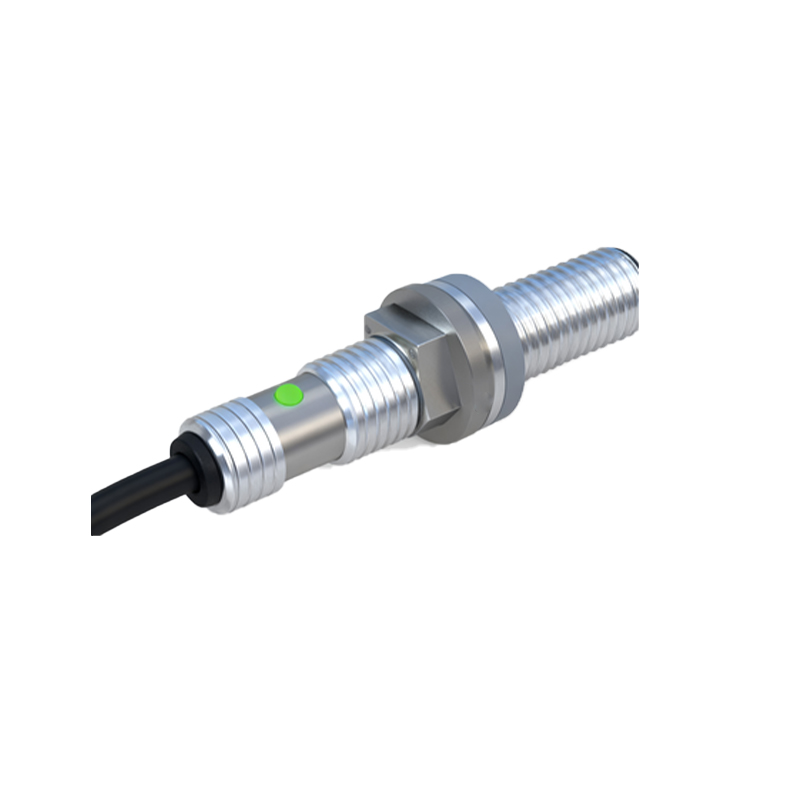
A key strength of Sodilong proximity sensors lies in their design features tailored for harsh industrial settings. Many models boast an IP67 or higher ingress protection rating, ensuring reliable operation despite exposure to dust, oil, and coolants. Their housings are typically constructed from nickel-plated brass or stainless steel, offering superior resistance to mechanical impact and corrosion. Furthermore, Sodilong integrates advanced technologies such as short-circuit protection, reverse polarity protection, and overload protection into their sensors, significantly enhancing system reliability and reducing downtime.
Output configurations are another critical consideration. Sodilong provides sensors with both digital (NPN/PNP) and analog (4-20mA, 0-10V) outputs, allowing for seamless integration into various control architectures, from simple PLCs to complex distributed control systems. The choice between a normally open (NO) or normally closed (NC) contact mode offers flexibility in circuit design to meet specific safety and logic requirements.
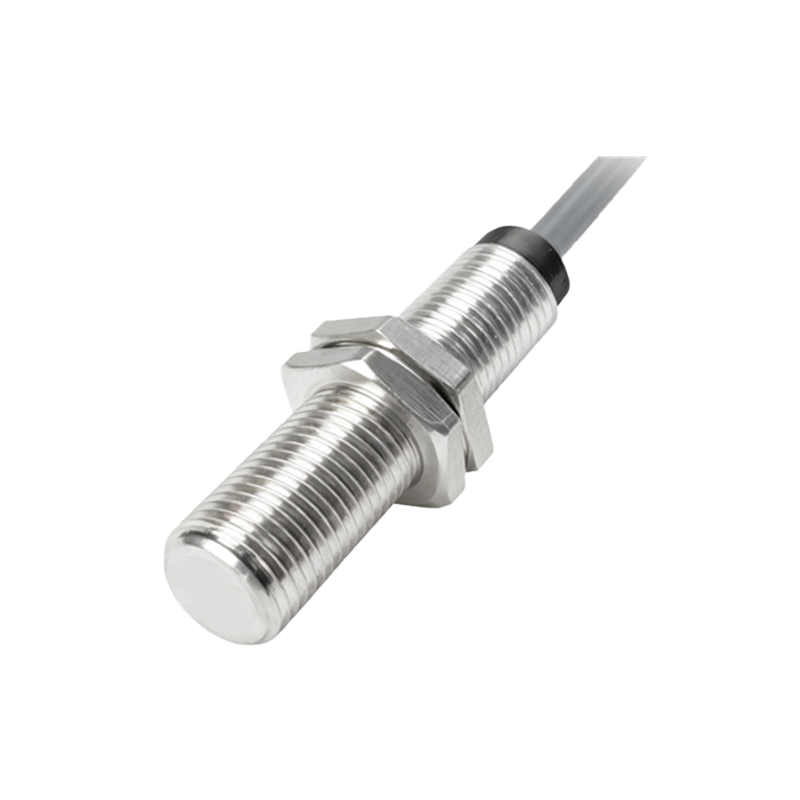
When selecting a Sodilong proximity sensor for an application, several parameters must be evaluated. The sensing distance, or nominal range, is specified for a standard target material (often mild steel for inductive types). Engineers must account for factors like target size, shape, and material, as these can affect the effective sensing range. The operating voltage range (commonly 10-30V DC) must be compatible with the plant's power supply. Response time, the speed at which the sensor reacts to a target, is crucial for high-speed automation processes. Finally, environmental conditions like ambient temperature and potential electromagnetic interference (EMI) must be considered to ensure optimal sensor performance and longevity.
In practical applications, Sodilong sensors prove indispensable. On a robotic welding cell, an inductive sensor precisely confirms the presence of a metal workpiece before the weld cycle begins, preventing costly errors. In a bottling plant, capacitive sensors monitor the fill level of plastic containers on a high-speed line. Within automated storage and retrieval systems (AS/RS), arrays of these sensors provide precise positioning feedback for shuttles and lifts.
In conclusion, Sodilong proximity sensors represent a blend of robust engineering, application versatility, and reliable performance. Their comprehensive range addresses the diverse detection needs of modern industry, from simple presence sensing to complex positioning tasks. For engineers tasked with designing, maintaining, or upgrading automated systems, a thorough understanding of the technical specifications and operational principles of these sensors is essential for achieving optimal system efficiency, reliability, and safety. As industrial automation continues to evolve, components like those from Sodilong will remain foundational to intelligent and responsive manufacturing ecosystems.