In the realm of industrial automation and control systems, proximity switches stand as fundamental components for non-contact object detection. Among these, DC (Direct Current) proximity switches are particularly prevalent due to their compatibility with standard control circuits, reliable performance, and versatility. This article delves into the operational principles, primary types, key application areas, and essential factors for selecting the appropriate DC proximity switch for a given task.
At its core, a DC proximity switch is a sensor that detects the presence or absence of a metallic or, in some cases, non-metallic object without physical contact. It operates by generating an electromagnetic field from its sensing face. When a target object enters this field, it causes a change in the oscillation amplitude or other electrical characteristics within the sensor's internal circuit. This change is processed by the embedded electronics, which subsequently triggers a solid-state switching output—typically in the form of a PNP (sourcing) or NPN (sinking) transistor signal. The use of DC power, commonly 10-30V DC, ensures stable operation and easy integration into programmable logic controllers (PLCs), counters, and other DC-based control systems.
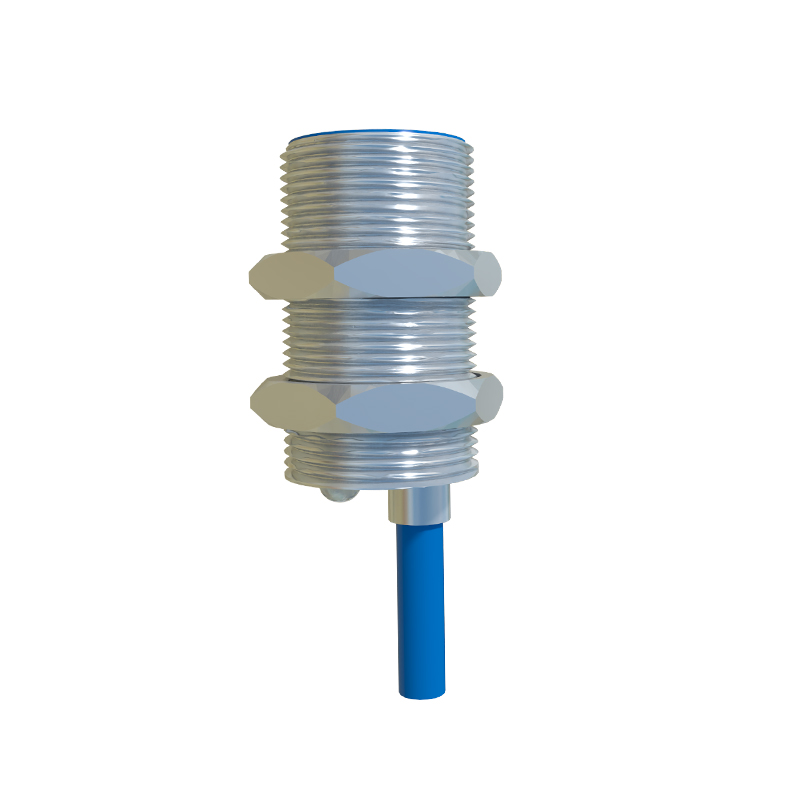
The two predominant categories of DC proximity switches are inductive and capacitive types. Inductive proximity switches are the most common. They are designed to detect ferrous and non-ferrous metals such as steel, aluminum, copper, and brass. Their sensing range is relatively short, often a few millimeters to several tens of millimeters, and is influenced by the target material's properties and size. These switches are highly robust, resistant to environmental factors like dust and oil, and are ideal for applications like position sensing in machinery, end-of-travel detection, and part counting on conveyor belts.
Capacitive proximity switches, on the other hand, can detect a wider variety of materials, including metals, plastics, glass, wood, and liquids. They function by sensing changes in the capacitance between the sensor and the target. This makes them suitable for level detection in tanks (for liquids or granular solids), material handling, and detecting non-metallic objects on production lines. While also available in DC versions, they may be more susceptible to environmental factors like humidity.
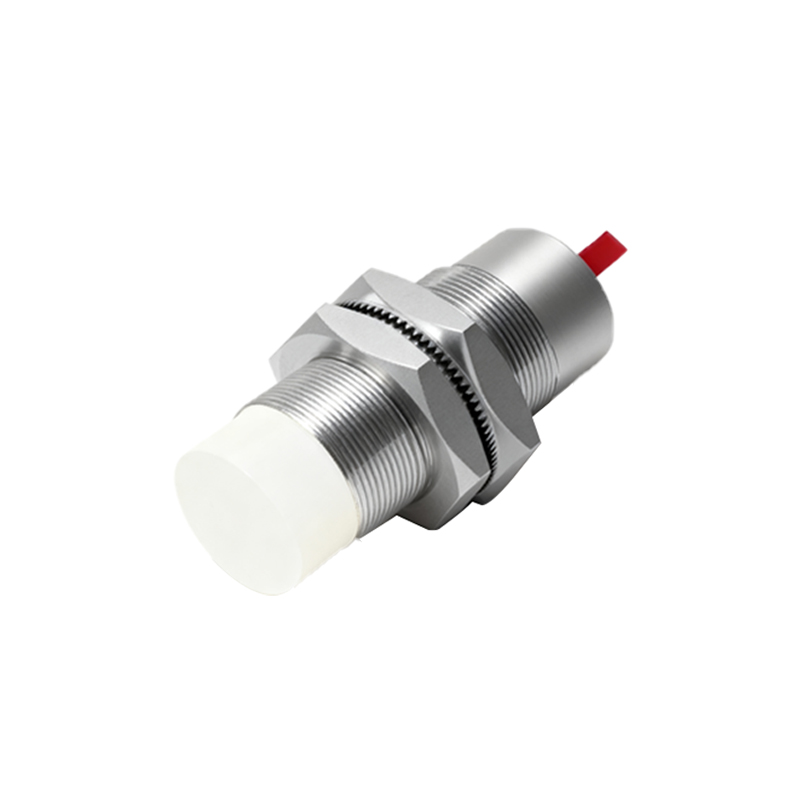
Key specifications define the performance of a DC proximity switch. The sensing distance, or nominal range, is crucial and must be derated for different metals in inductive types. The output configuration—PNP (positive switching) or NPN (negative switching)—must match the input requirements of the connected controller. The housing material, typically nickel-plated brass, stainless steel, or PBT plastic, determines resistance to chemicals, mechanical stress, and temperature extremes. Additionally, factors like switching frequency (response speed), protection class (IP rating for dust and water ingress), and output current capacity are vital for reliable operation.
Applications for DC proximity switches are vast across manufacturing, packaging, automotive, and material handling industries. They are employed for precise position verification of robotic arms, monitoring the open/closed status of doors or guards for safety interlocking, detecting the presence of components in assembly jigs, and controlling the fill level in automated bottling plants. Their non-contact nature eliminates mechanical wear, ensuring long service life and maintenance-free operation in high-cycle environments.
Selecting the right DC proximity switch requires a systematic approach. First, identify the target material. For metals only, an inductive sensor is usually sufficient and more cost-effective. For non-metallics or varying materials, a capacitive sensor is necessary. Next, determine the required sensing distance, adding a safety margin to account for installation tolerances and potential target variations. The electrical environment is critical; ensure the operating voltage matches the DC supply, and confirm whether the control system requires a PNP or NNP input. Consider the physical installation space, including sensor size and threading (e.g., M8, M12, M18, M30). Finally, evaluate the environmental conditions: Will the sensor be exposed to washdowns (requiring a high IP rating like IP67/IP69K), extreme temperatures, strong magnetic fields, or corrosive chemicals? Choosing a sensor with an appropriate housing and protection rating is paramount for durability.
In conclusion, DC proximity switches are indispensable workhorses in modern industrial automation. Understanding their working principles, the distinction between inductive and capacitive types, and a methodical selection process based on application requirements are essential for engineers and technicians. By carefully matching the sensor's specifications to the task's demands, one can ensure reliable detection, enhance system efficiency, and minimize downtime, thereby contributing to a robust and productive automated operation.