In the rapidly evolving landscape of industrial automation, the demand for reliable, high-performance sensing solutions has never been greater. Among the most critical advancements in this domain are ultra-long range proximity sensors, which are fundamentally transforming how industries monitor, control, and secure their operations over vast distances. Unlike traditional proximity sensors limited to a few millimeters or centimeters, these advanced devices can detect objects and measure distances from several meters up to tens of meters, opening new frontiers in automation, logistics, and safety systems.
The core technology enabling such extended detection ranges often involves sophisticated modulation techniques and high-sensitivity receivers. Many ultra-long range sensors utilize time-of-flight (ToF) principles, where a modulated light source—typically infrared or laser—emits pulses. The sensor calculates distance by precisely measuring the time delay between the emitted pulse and its reflection from a target. This method, combined with advanced signal processing algorithms, allows for accurate detection even in challenging environmental conditions with varying light levels or minor obstructions. Alternative technologies include ultrasonic sensors, which use sound waves for detection and are particularly effective in dusty or foggy environments where optical sensors might struggle, and radar-based sensors, which offer exceptional range and penetration capabilities for outdoor or heavy industrial applications.
The applications of ultra-long range proximity sensors are diverse and impactful. In automated guided vehicle (AGV) systems and autonomous mobile robots (AMRs), these sensors provide essential long-range obstacle detection, enabling smoother navigation and collision avoidance in dynamic warehouse and factory environments. They allow vehicles to adjust speed and path planning well in advance, enhancing efficiency and safety. In the realm of industrial security and access control, ultra-long range sensors serve as the first line of defense, detecting unauthorized entry or presence in large perimeter areas, storage yards, or around hazardous machinery from a safe distance. This early warning capability is crucial for preventing accidents and ensuring personnel safety.
Furthermore, in logistics and material handling, these sensors enable precise inventory management by monitoring the presence and position of goods on high-bay racks or long conveyor systems without the need for multiple short-range sensors. This reduces system complexity and maintenance costs. In large-scale agricultural automation and mining operations, ultra-long range sensors facilitate the monitoring of equipment and terrain over expansive areas, contributing to optimized operations and predictive maintenance.
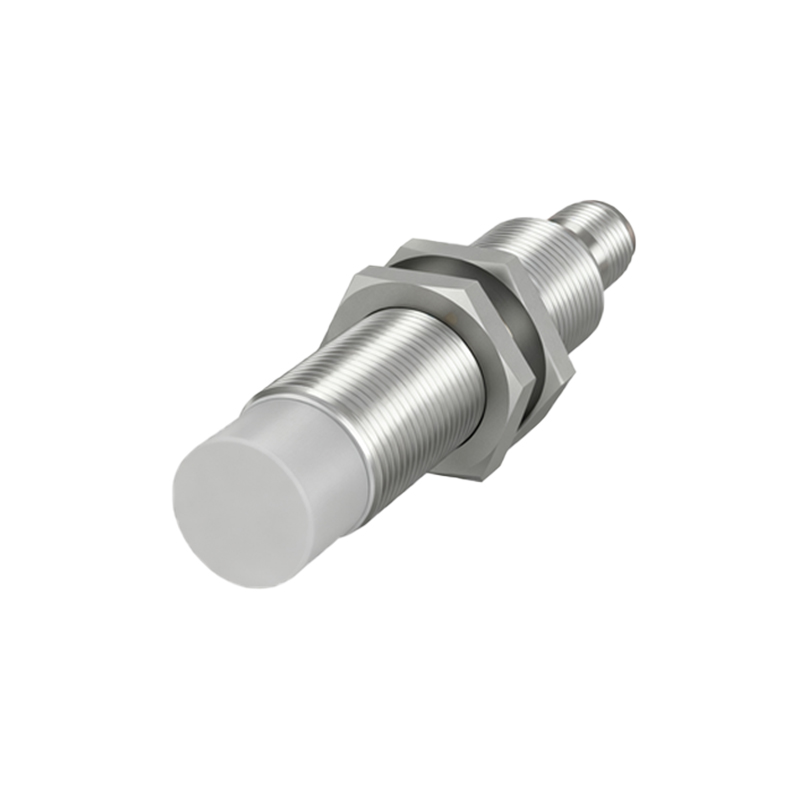
However, deploying ultra-long range sensors comes with its own set of engineering considerations. Environmental factors such as extreme temperatures, humidity, rain, snow, or airborne particulates can affect the performance of optical and acoustic sensors. Selecting sensors with appropriate ingress protection (IP) ratings and environmental compensation features is paramount. The reflectivity and size of the target object also significantly influence the maximum detectable range; a large, highly reflective target will be detected at a greater distance than a small, dark, or absorbent one. Therefore, understanding the application's specific target characteristics is essential for sensor selection.
Integration into existing control systems is another critical aspect. Modern ultra-long range sensors often come with versatile output options, including analog voltage/current, discrete switching signals (PNP/NPN), and industrial communication protocols like IO-Link, PROFINET, or EtherNet/IP. IO-Link, in particular, offers smart sensor capabilities, enabling remote configuration, real-time diagnostics, and parameter adjustments without physical access to the sensor, which is invaluable in hard-to-reach installations.
Looking ahead, the convergence of ultra-long range sensing with Industrial Internet of Things (IIoT) frameworks and artificial intelligence is set to unlock even greater potential. Smart sensors will not only detect presence but also classify objects, track movement patterns, and predict potential system failures by analyzing historical data trends. This evolution will drive the next wave of predictive maintenance, energy efficiency, and fully autonomous industrial systems.
In conclusion, ultra-long range proximity sensors represent a significant leap forward in sensing technology. By providing reliable, long-distance detection capabilities, they are solving complex challenges in automation, safety, and operational efficiency across numerous industries. For engineers and system integrators, a deep understanding of the underlying technologies, environmental constraints, and integration pathways is key to successfully harnessing the power of these remarkable devices and building the resilient, intelligent factories of the future.