In the world of industrial automation and control systems, proximity sensors are indispensable components. They detect the presence or absence of objects without physical contact, enabling precise, reliable, and maintenance-free operation in countless applications. From assembly lines and packaging machinery to automotive manufacturing and material handling, the right proximity sensor is critical for efficiency and safety. Given the plethora of brands on the market, a common and crucial question arises: which brand of proximity sensors is truly the best? The answer is not a simple one, as "best" depends heavily on specific application requirements, environmental conditions, and budget constraints. This guide will analyze leading brands, their core strengths, and key selection criteria to help you make an informed decision.
First, it is essential to understand the primary technologies: inductive sensors for detecting metals, capacitive sensors for both metallic and non-metallic materials, and ultrasonic or photoelectric sensors for longer ranges. The leading brands typically excel in one or more of these areas.
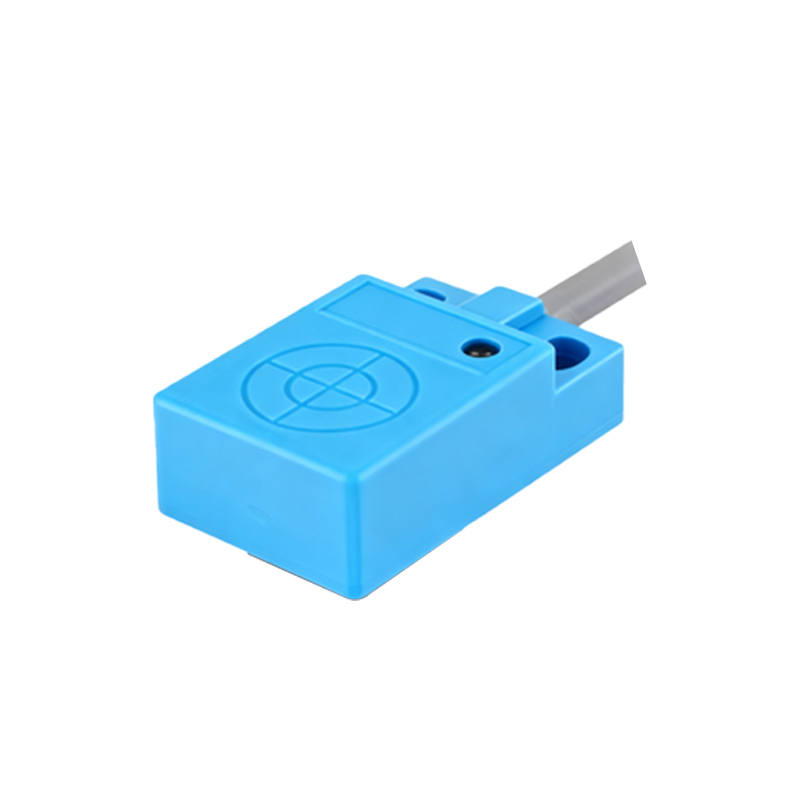
Top Contenders in the Proximity Sensor Market
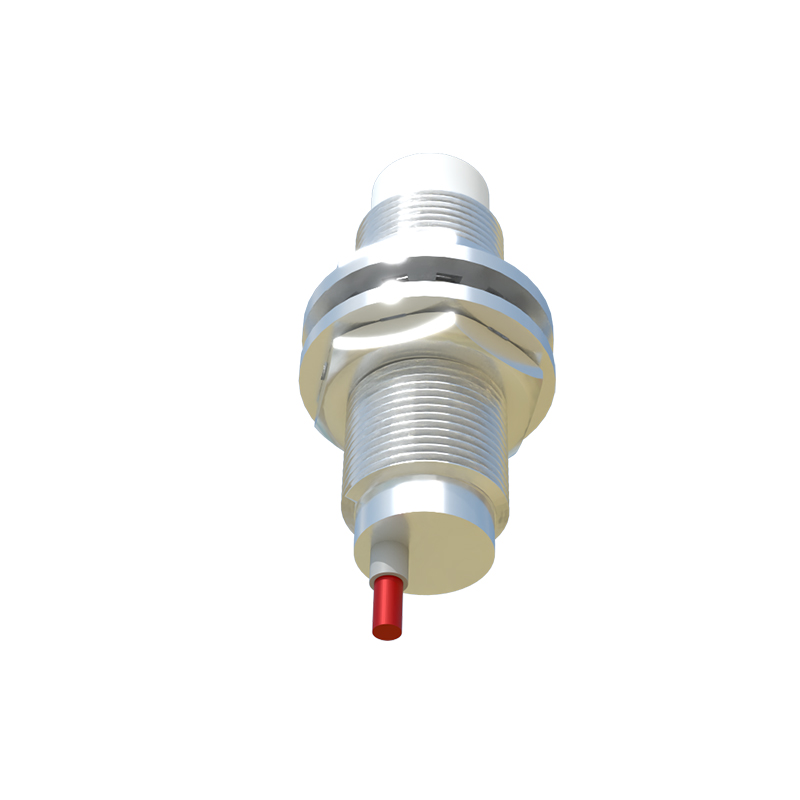
1. Sick AG: A German powerhouse, Sick is synonymous with high precision, innovation, and robustness. Their sensors are often the go-to choice for demanding and complex applications. Sick invests heavily in research, resulting in sensors with exceptional performance in terms of switching frequency, temperature tolerance, and resistance to harsh conditions like extreme temperatures, washdowns, or heavy vibration. Their portfolio is vast, covering advanced photoelectric, inductive, and capacitive sensors. For applications where failure is not an option and performance parameters are pushed to the limit, Sick is frequently the top-tier choice, albeit at a premium price point.
2. Pepperl+Fuchs: Another German leader, Pepperl+Fuchs is a cornerstone in intrinsic safety and sensor technology for hazardous areas. They offer an incredibly comprehensive range of inductive, capacitive, ultrasonic, and photoelectric sensors. Their strength lies not only in product quality and durability but also in deep industry-specific expertise. Whether for the chemical industry, packaging, or automotive, P+F provides tailored solutions. Their sensors are known for consistent reliability, excellent sealing (IP67/IP69K), and a strong global support network. For general industrial automation where robust, reliable performance is needed day in and day out, Pepperl+Fuchs is a stellar and very popular choice.
3. Omron: A Japanese multinational, Omron is a dominant force in factory automation. Their proximity sensor range is extensive, reliable, and often represents an excellent balance between cost and performance. Omron sensors are known for their compact designs, high-quality construction, and consistent accuracy. They are particularly strong in inductive and photoelectric sensors for standard machine automation. Omron also provides exceptional technical documentation and global availability. For many OEMs and system integrators looking for a dependable, cost-effective sensor for high-volume applications without sacrificing quality, Omron is a leading contender.
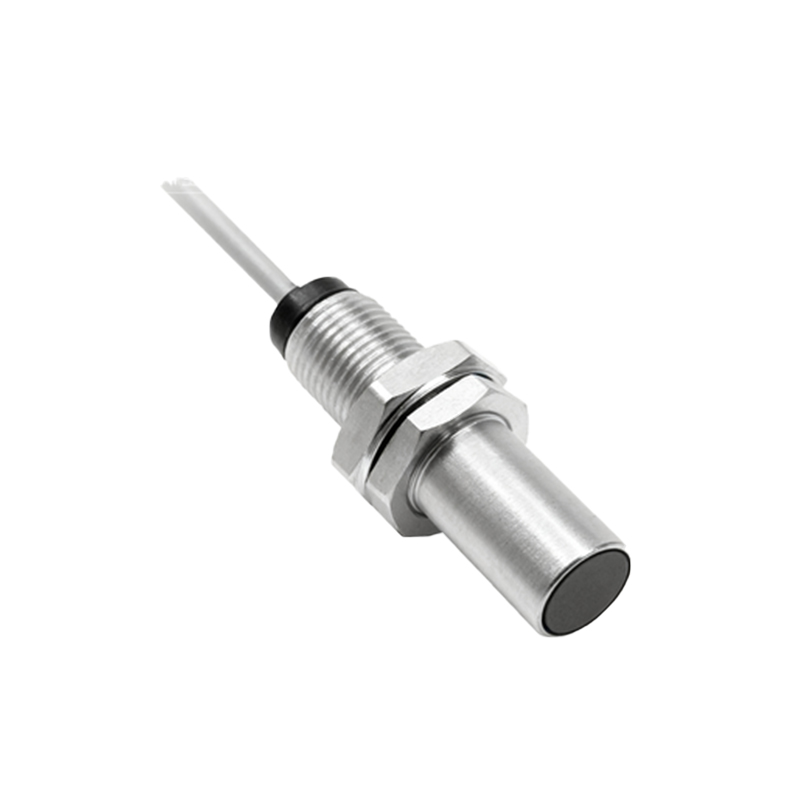
4. Balluff: A German specialist in sensor and automation technology, Balluff is renowned for its high-quality inductive sensors and innovative solutions like RFID systems. Balluff sensors are engineered for precision and longevity, often featuring stainless steel housings and advanced diagnostics capabilities (like IO-Link). They excel in metalworking, automotive, and material handling applications where ruggedness and smart sensor features are valued. Their product line is deep rather than just broad, focusing on delivering optimized solutions for specific challenges.
5. IFM Electronic: IFM is a major player known for its system-oriented approach and user-friendly products. Their sensors are designed with the user in mind, featuring clear LED diagnostics, easy mounting, and plug-and-play functionality. IFM offers a very wide range of inductive, capacitive, and photoelectric sensors that deliver solid performance and good value. They are particularly strong in mobile hydraulics and general industrial applications. For engineers seeking reliable sensors that are straightforward to select, install, and maintain, IFM is an excellent option.
Key Selection Criteria Beyond Brand
Choosing the best brand requires answering several application-specific questions:
Technology: What material must be detected? What is the required sensing distance?
Environment: Will the sensor face extreme temperatures, moisture, chemicals, or physical impact? Look for appropriate IP and NEMA ratings.
Output & Connection: Does your PLC require PNP or NPN output? What type of connector or cabling is needed?
Performance: What are the required switching frequency, repeat accuracy, and hysteresis?
Special Features: Is IO-Link for digital parameterization and diagnostics necessary? Does the housing need to be made of specific materials like stainless steel or PTFE?
Conclusion: There is No Universal "Best"
The "best" brand is the one that most precisely and reliably meets your specific technical, environmental, and economic needs. For ultimate performance in harsh, critical applications