In the realm of industrial automation, the demand for precise, reliable, and durable sensing solutions is paramount. Keyence proximity sensors stand as a cornerstone in this field, offering a sophisticated range of non-contact detection devices that are integral to modern manufacturing and process control systems. These sensors are engineered to detect the presence or absence of an object without physical contact, thereby eliminating mechanical wear and ensuring long-term operational stability.
Keyence proximity sensors are primarily categorized into two types: inductive and capacitive. Inductive proximity sensors are designed to detect metallic objects. They operate by generating an electromagnetic field. When a metallic target enters this field, it induces eddy currents within the sensor, causing a change in the oscillation amplitude. This change is detected by the sensor's circuitry, triggering an output signal. These sensors are exceptionally robust against environmental factors such as dust, oil, and coolant splashes, making them ideal for harsh industrial environments like machining centers, assembly lines, and automotive manufacturing plants. Keyence's inductive sensors are renowned for their high-speed response, with some models capable of detecting targets at frequencies up to 10 kHz, and their exceptional sensing distances relative to their compact housing sizes.
Capacitive proximity sensors, on the other hand, can detect both metallic and non-metallic materials, including liquids, plastics, glass, and wood. They function by measuring changes in capacitance. The sensor forms one plate of a capacitor, with the target object acting as the other plate. As the target approaches, the capacitance increases, and once it reaches a predetermined threshold, the sensor switches its output state. This versatility makes capacitive sensors invaluable in applications such as liquid level detection, material handling of non-metallic goods, and packaging operations. Keyence has advanced this technology with features like sensitivity adjustment, which allows users to fine-tune the sensor to ignore background materials or containers, focusing solely on the target substance.
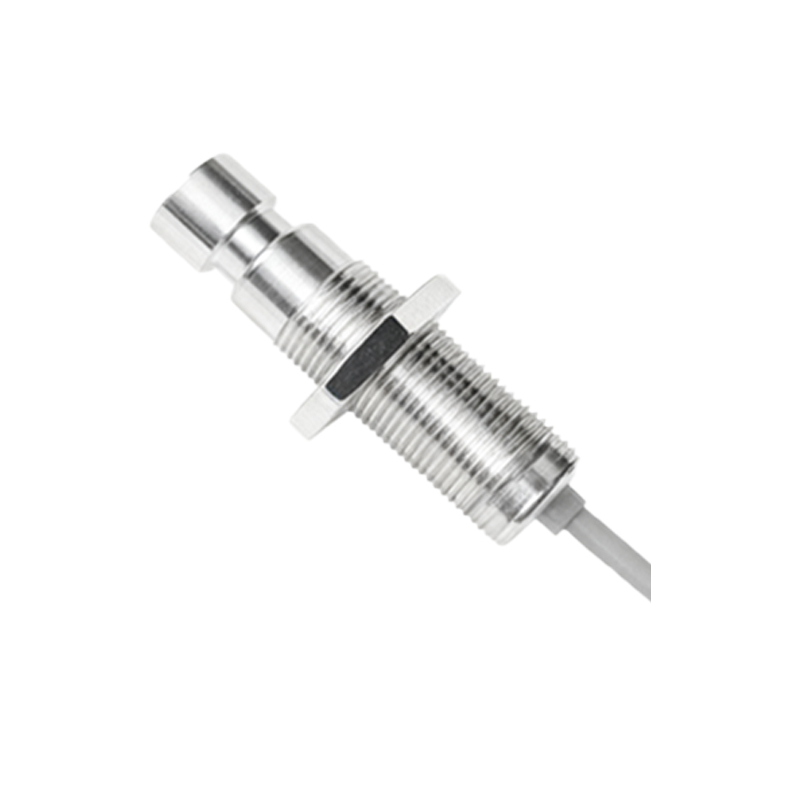
A hallmark of Keyence's engineering philosophy is the integration of advanced features into remarkably compact designs. Their proximity sensor lineup includes cylindrical, block, and slot types, with ultra-miniature models that can be installed in space-constrained locations without sacrificing performance. Many models incorporate built-in diagnostic indicators, such as stability LEDs or multi-color operation lights, which provide visual confirmation of sensing status and health, significantly simplifying setup, troubleshooting, and maintenance procedures. This user-centric design reduces downtime and enhances overall system efficiency.
Furthermore, Keyence places a strong emphasis on environmental resistance and longevity. Their sensors typically boast high ingress protection ratings, such as IP67 and IP69K, ensuring reliable operation even when exposed to high-pressure washdowns, corrosive chemicals, or extreme temperatures. The housings are constructed from high-grade materials like stainless steel or nickel-plated brass, offering excellent resistance to physical impact and corrosion. This durability translates into a lower total cost of ownership, as the sensors require minimal maintenance and have an extended service life, even in the most demanding applications.
The application scope for Keyence proximity sensors is vast. In automotive manufacturing, they are used for precise positioning of robotic arms, part verification on conveyor belts, and end-of-arm tooling detection. In the food and beverage industry, their washdown-proof models monitor filling levels, detect packaging materials, and ensure proper container positioning. In electronics assembly, miniature sensors verify the placement of tiny components on circuit boards. The reliability of these sensors ensures consistent quality control, enhances safety by monitoring machine guards and access points, and optimizes production throughput by enabling high-speed, error-free automation.
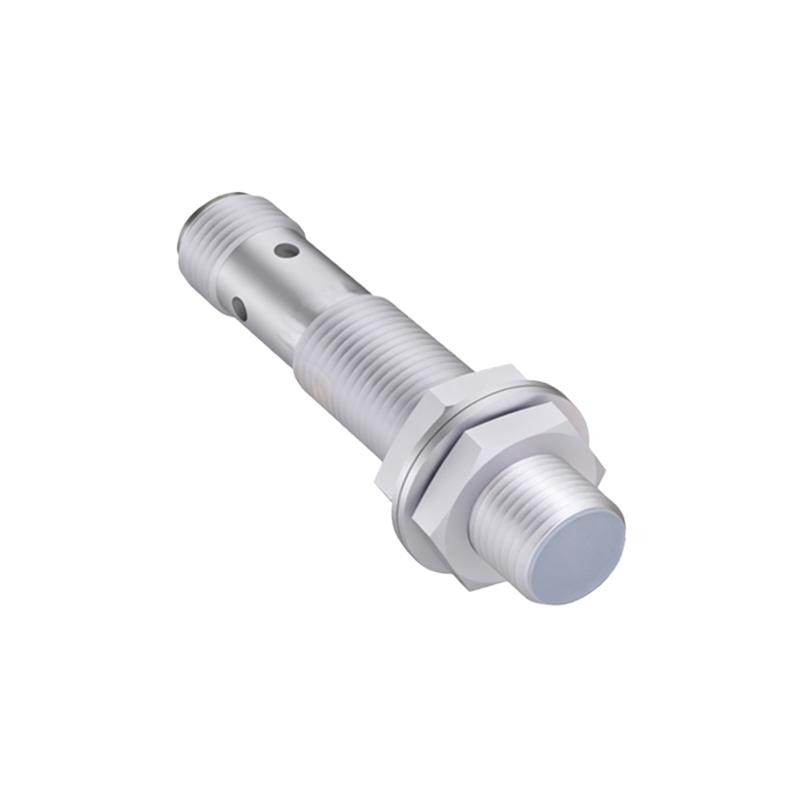
In conclusion, Keyence proximity sensors represent a fusion of precision engineering, innovative technology, and practical design. Their ability to deliver consistent, contactless detection across a diverse range of materials and challenging environments makes them an indispensable component in the automation landscape. By choosing Keyence, engineers and system integrators invest in a solution that promises not only immediate performance gains but also long-term reliability, contributing to smarter, more efficient, and more resilient industrial operations worldwide.