In the realm of industrial automation and control systems, proximity switches are indispensable components. Their primary function is to detect the presence or absence of an object without physical contact. A critical parameter defining their performance and application suitability is the sensing range, often referred to as the nominal sensing distance (Sn). This article delves into the technical intricacies of proximity switch sensing radius, exploring its definition, influencing factors, standardization, and practical implications for system design.
The nominal sensing distance (Sn) is the theoretical operating distance under specified standard conditions, as defined by IEC 60947-5-2. It is crucial to understand that this is not a guaranteed maximum detection range but a reference value. The actual effective sensing distance in a real-world application can vary due to several factors. Engineers must never design a system where the target operates at exactly the Sn distance; a derating factor, typically 70-80% of Sn, is applied to ensure reliable operation, accounting for supply voltage tolerances, temperature fluctuations, and manufacturing variances.
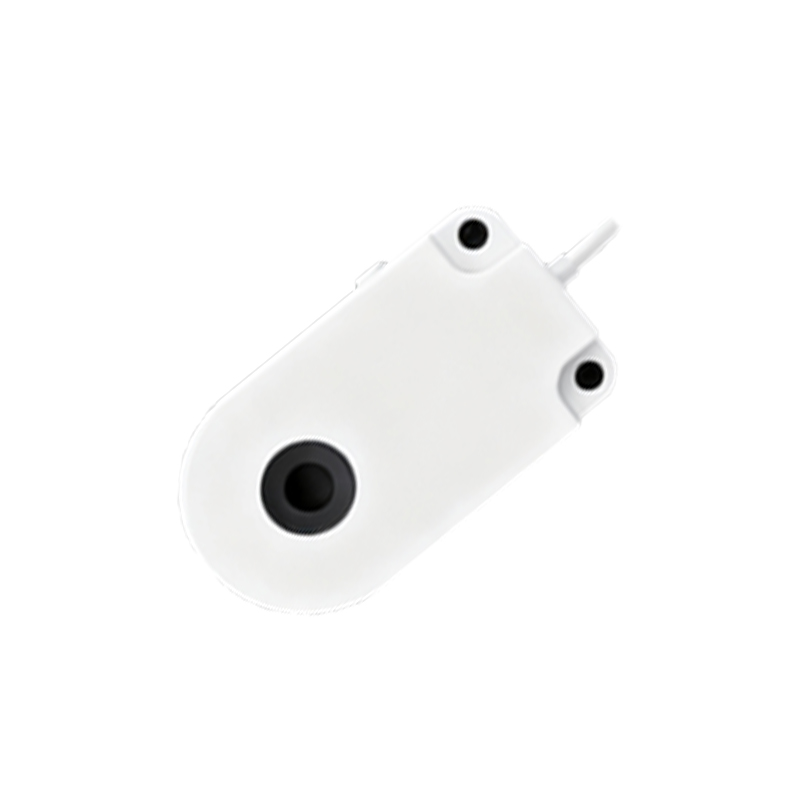
Several key factors directly influence the effective sensing radius of a proximity sensor. First and foremost is the target material. Inductive proximity switches, designed for metal detection, have vastly different sensing ranges for different metals. For instance, a sensor calibrated for mild steel (the reference material) will have a reduced sensing range for stainless steel (often 60-80% of Sn) and an even more significantly reduced range for non-ferrous metals like aluminum or copper (often 30-50% of Sn). Capacitive sensors, used for non-metallic materials, are affected by the target's dielectric constant.
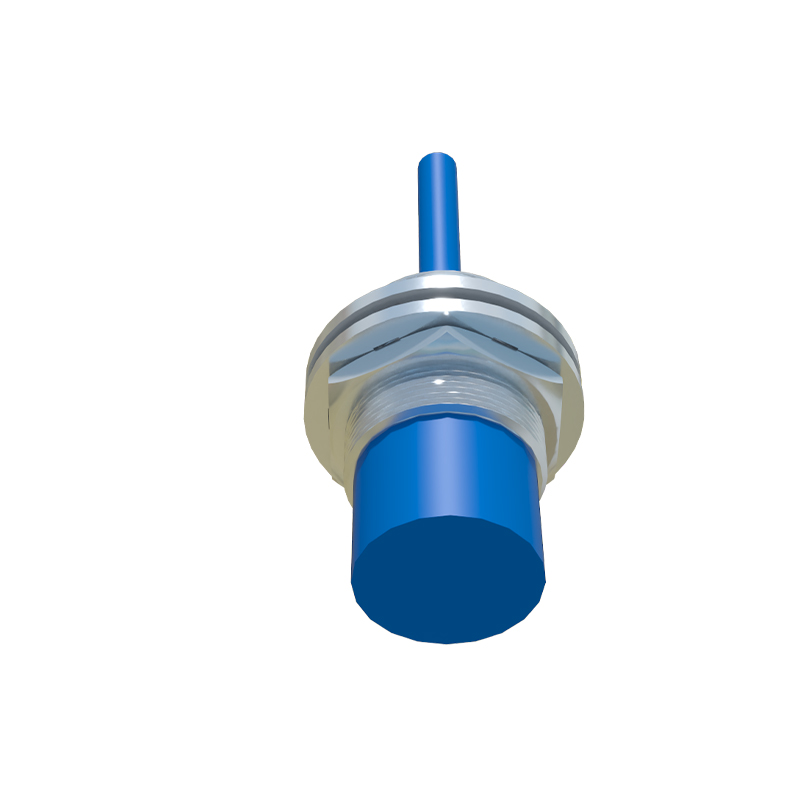
The size and shape of the target object are equally critical. The standard target is defined as a square of mild steel with a side length equal to the diameter of the sensor's active face or three times the nominal sensing distance Sn, whichever is greater. If the target is smaller than this standard, the sensing distance decreases. A thin wire, for example, will be detected at a much shorter range than a large metal plate. The approach axis also matters; for cylindrical barrel sensors, the sensing range is specified for an axial approach. A radial or lateral approach can alter the effective distance.
Environmental conditions play a substantial role. High ambient temperatures can reduce the sensing distance and potentially damage the sensor. Most industrial proximity switches are rated for operations between -25°C and +70°C. The presence of strong electromagnetic fields or other sensors in close proximity can cause interference, leading to false triggering or reduced range. Furthermore, the mounting conditions are specified by standards. Flush-mountable sensors (shielded) can be embedded in metal without affecting their range, but their Sn is typically shorter. Non-flush mountable sensors (unshielded) have a longer Sn but require a clear zone around the sensing face, as adjacent metal can distort the electromagnetic field and increase the effective sensing distance unpredictably.
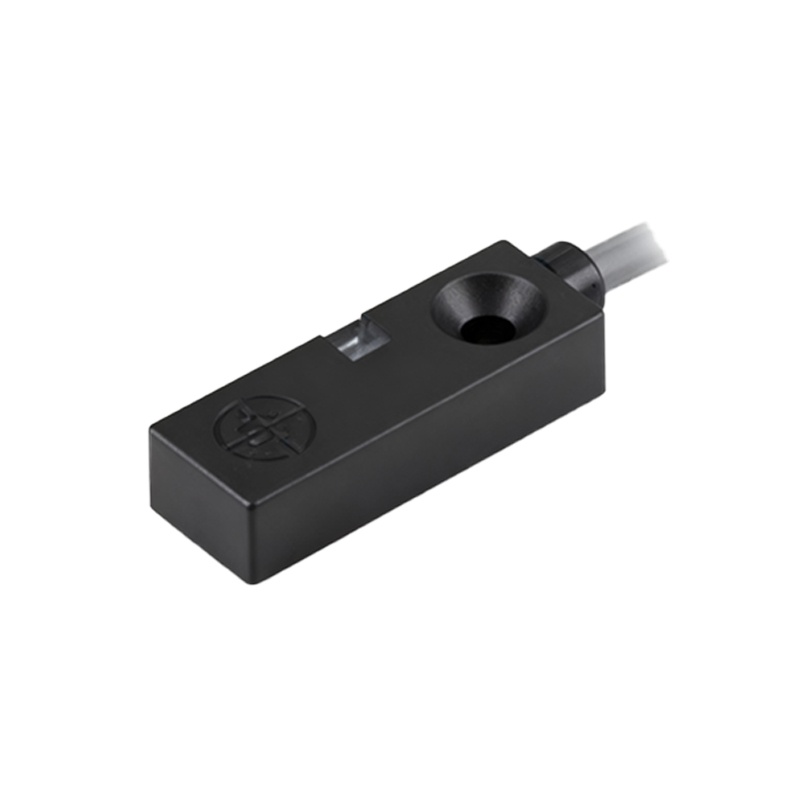
From a practical engineering standpoint, understanding these nuances is vital for selecting the right sensor. For a repetitive pick-and-place application with a consistent steel tooling plate, an inductive sensor operating at 80% of its Sn might be perfectly reliable. However, for detecting varying bottle heights on a conveyor using a capacitive sensor, a much larger safety margin is necessary. The concept of repeat accuracy, which is the precision with which a sensor can detect a target at the same point repeatedly, is more important than the absolute maximum range for precision assembly tasks.
Testing and verification are the final steps. Engineers should never rely solely on datasheet values. It is a best practice to perform in-situ testing with the actual target material, under real operating temperatures and mounting conditions, to map the true effective sensing envelope. This practice helps in fine-tuning the installation position and avoiding costly machine downtime due to false triggers or missed detections.
In conclusion, the sensing radius of a proximity switch is a deceptively simple specification that hinges on a complex interplay of physics, standardization, and application context. A deep comprehension of the factors affecting sensing range—target characteristics, environment, and installation—empowers engineers to design robust, reliable, and efficient automated systems. Always design with a safety margin, verify with real conditions, and consult manufacturer application notes for material-specific correction factors to ensure optimal performance.