In the realm of industrial automation and control systems, proximity sensors play a pivotal role in enabling non-contact detection of objects. Among the various configurations available, the two-wire proximity sensor stands out for its simplicity, cost-effectiveness, and reliability. This article delves into the operational principles, key advantages, common applications, and critical selection criteria for these essential components.
At its core, a two-wire proximity sensor functions as a switch that opens or closes an electrical circuit based on the presence or absence of a target within its sensing range. Unlike three-wire or four-wire sensors that have separate power, signal, and sometimes ground wires, the two-wire variant integrates its switching function directly into the power supply line. This design means it has only two connection points: one for the supply voltage (typically 10-30V DC or 20-250V AC) and one for the load. The sensor itself consumes a small amount of current (leakage current) when in the "off" state and allows full load current to flow when activated to the "on" state upon detecting a target. This operation is fundamentally different from a simple mechanical switch due to this inherent leakage current, which must be considered during circuit design.
The primary advantage of the two-wire sensor is its straightforward installation and wiring. With only two wires to connect, installation time is reduced, and the potential for wiring errors is minimized. This simplicity translates directly into lower installation costs and easier maintenance. Furthermore, the absence of a separate signal wire often makes these sensors more compatible with existing control systems and traditional relay-based logic, facilitating upgrades in older facilities. Their robust construction, typically featuring a housing rated IP67 or higher, makes them suitable for harsh industrial environments with exposure to dust, moisture, oils, and mechanical vibrations.
Two-wire proximity sensors are predominantly available in two output types: AC and DC. AC two-wire sensors are commonly used with standard line voltages (e.g., 120V AC, 240V AC) and are ideal for directly controlling AC loads like solenoids, contactor coils, or small motors. DC two-wire sensors operate on lower DC voltages and are preferred in programmable logic controller (PLC) input circuits and DC control systems. A crucial parameter is the residual current or leakage current (usually under 2 mA for DC types) when the sensor is off. If this current is too high for the connected load (like a highly sensitive PLC input), it may be misinterpreted as an "on" signal, necessitating the use of a bleeder/resistor module.
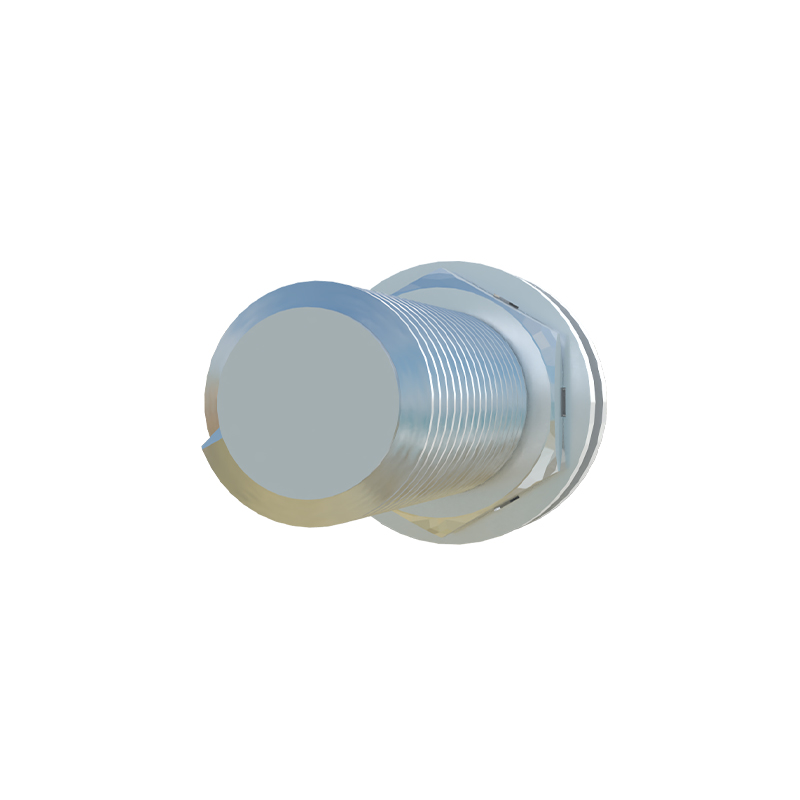
Applications for two-wire proximity sensors are vast and varied across industries. In automotive manufacturing, they detect the position of robotic arms or the presence of components on an assembly line. In material handling and packaging, they count bottles, detect fill levels, or confirm the passage of boxes on a conveyor. In metalworking, they monitor the position of machine tool slides or act as limit switches. Their durability also makes them perfect for outdoor applications in agricultural or construction equipment.
Selecting the right two-wire proximity sensor requires careful consideration of several factors. First, identify the required sensing distance and the target material (ferrous metals, non-ferrous metals, or all metals). Inductive sensors are used for metallic targets, while capacitive types can detect non-metallic materials. Next, determine the electrical requirements: operating voltage (AC or DC), current rating of the load, and acceptable leakage current. The sensor's housing size, shape (cylindrical, rectangular, ring-shaped), and thread type (e.g., M8, M12, M18, M30) must fit the mechanical constraints of the application. Environmental conditions such as temperature extremes, potential for chemical exposure, and required ingress protection (IP) rating are equally critical. Finally, consider the output state—normally open (NO) or normally closed (NC)—based on the safety and logic requirements of the control circuit.
In conclusion, the two-wire proximity sensor is a fundamental and versatile workhorse in industrial automation. Its elegant simplicity, derived from combining power and switching in just two wires, offers significant benefits in installation, cost, and robustness. By thoroughly understanding its operating principle—including the implications of leakage current—and meticulously matching its specifications to the application's electrical, mechanical, and environmental demands, engineers can ensure reliable, long-lasting performance that enhances the efficiency and safety of automated systems. As technology evolves, these sensors continue to be a reliable and economical choice for countless detection tasks.