In the realm of industrial automation and fluid power systems, cylinder magnetic proximity sensors play a pivotal role in ensuring precise, reliable, and efficient operation. These sensors are fundamental components used to detect the position of a piston within a pneumatic or hydraulic cylinder, providing critical feedback for control systems. This article delves into the working principles, key features, selection criteria, and best practices for implementing these sensors in various industrial settings.
At its core, a cylinder magnetic proximity sensor operates on a simple yet effective principle. It consists of a sensor body, typically mounted externally on the cylinder barrel, and a magnet integrated into the piston. As the piston moves along its stroke, the embedded magnet passes by the sensor. The sensor detects the magnetic field change and triggers an electrical signal—usually a switch from an open to a closed circuit (or vice versa). This signal is then transmitted to a programmable logic controller (PLC) or other control device, indicating the piston's specific position, such as fully extended or fully retracted.
One of the primary advantages of magnetic proximity sensors is their non-contact nature. Since the sensor does not physically touch the piston or any moving parts, there is no mechanical wear, leading to enhanced longevity and reduced maintenance requirements. This design also allows for sealed construction, making these sensors highly resistant to harsh industrial environments. They can withstand exposure to dust, moisture, oil, coolant, and vibrations, which are common in manufacturing plants, automotive assembly lines, and packaging machinery.
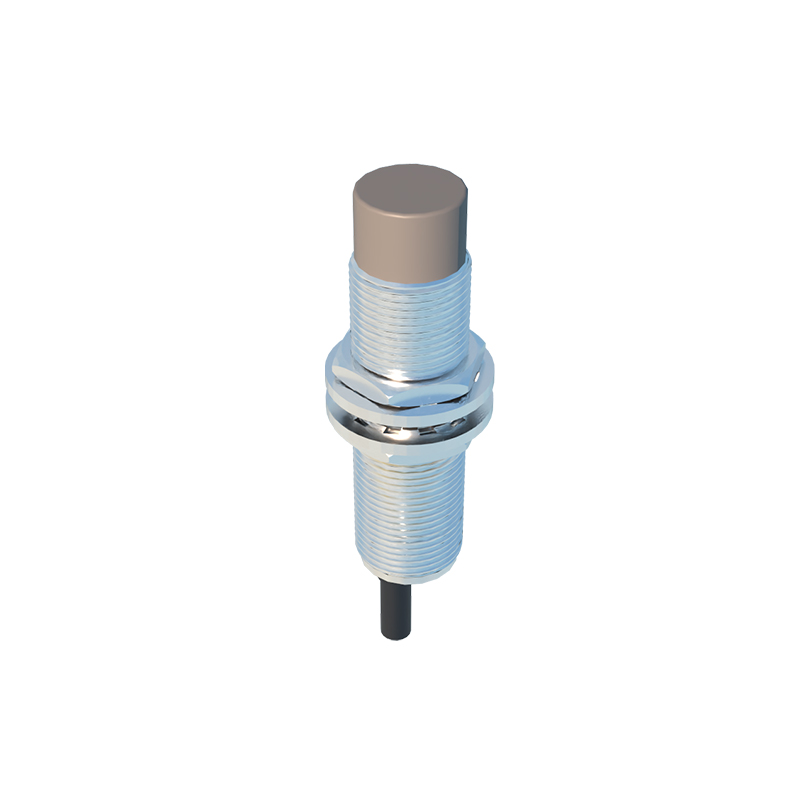
When selecting a cylinder magnetic proximity sensor, several technical parameters must be considered to ensure optimal performance. First is the sensing distance, which refers to the maximum range at which the sensor can reliably detect the magnet. This distance must be compatible with the cylinder's design and the magnet's strength. Next, the electrical output type is crucial; options include PNP (sourcing), NPN (sinking), or analog outputs, which must match the input requirements of the control system. Voltage ratings, typically ranging from 10-30V DC, and current capacity are also vital to prevent electrical issues. Additionally, the sensor's housing material—often stainless steel, brass, or rugged plastics—should be chosen based on environmental conditions, such as potential corrosion or chemical exposure.
Installation and alignment are critical for reliable operation. The sensor must be securely mounted on the cylinder, usually via a bracket or integrated mounting slot, and positioned accurately along the stroke path. Misalignment can lead to false signals or failure to detect the piston. Many modern sensors feature LED indicators that provide visual confirmation of switching status, aiding in setup and troubleshooting. For cylinders with multiple position requirements, such as mid-stroke detection, multiple sensors can be installed along the barrel, each programmed to activate at specific points.
In practice, these sensors are indispensable in applications requiring precise sequencing and safety. For example, in automated machinery, they ensure that a clamping cylinder is fully retracted before a drill advances, preventing collisions. In material handling, they confirm the position of lift cylinders, enabling smooth and controlled movement. Their reliability also makes them suitable for safety interlocks, where a machine must not operate unless a cylinder is in a safe position.
Despite their robustness, challenges can arise. Strong external magnetic fields from nearby equipment may interfere with sensor operation, necessitating proper shielding or sensor placement. Temperature extremes can affect performance, so selecting sensors with appropriate temperature ratings is essential. Regular maintenance, though minimal, should include checking for physical damage, loose connections, and buildup of contaminants on the sensor face.
Looking ahead, advancements in sensor technology continue to enhance functionality. Smart sensors with integrated diagnostics, such as those offering IO-Link communication, provide real-time data on sensor health and operational status, facilitating predictive maintenance and reducing downtime. Miniaturization allows for use in compact cylinders, expanding applications in robotics and precision engineering.
In conclusion, cylinder magnetic proximity sensors are vital components that bridge mechanical motion and electronic control in industrial systems. Their non-contact operation, durability, and precision make them a preferred choice for engineers seeking to optimize automation processes. By understanding their principles and carefully selecting and installing them, professionals can ensure reliable, efficient, and safe operation across a wide range of applications, from simple pneumatic devices to complex hydraulic systems.