Proximity sensors are indispensable components in modern industrial automation, offering non-contact detection of objects within their sensing range. These devices are critical for ensuring precision, safety, and efficiency in various applications, from assembly lines to robotic systems. This guide explores key proximity sensor models, their operating principles, selection criteria, and industry-specific uses.
Among the most common types are inductive, capacitive, ultrasonic, and magnetic proximity sensors. Inductive sensors detect metallic objects using electromagnetic fields, making them ideal for metal detection in machinery. Models like the E2E series from Omron or the BI series from Balluff are widely recognized for their durability and high switching frequencies. Capacitive sensors, such as the CQ series by Keyence, can detect both metallic and non-metallic materials, including liquids and plastics, by measuring changes in capacitance. Ultrasonic sensors, like the UC series from Pepperl+Fuchs, use sound waves to detect objects, suitable for challenging environments with dust or moisture. Magnetic sensors, including reed switches and Hall effect sensors, are employed for detecting magnetic fields, often in safety applications.
When selecting a proximity sensor model, engineers must consider factors like sensing distance, output type (e.g., NPN, PNP, analog), environmental conditions (temperature, IP rating), and mounting requirements. For instance, cylindrical models (e.g., M8, M12, M18, M30) are popular for easy installation, while rectangular designs offer flexibility in tight spaces. Advanced features, such as IO-Link connectivity in models like the Siemens SIMATIC series, enable smart factory integration by providing diagnostic data and parameter adjustments remotely.
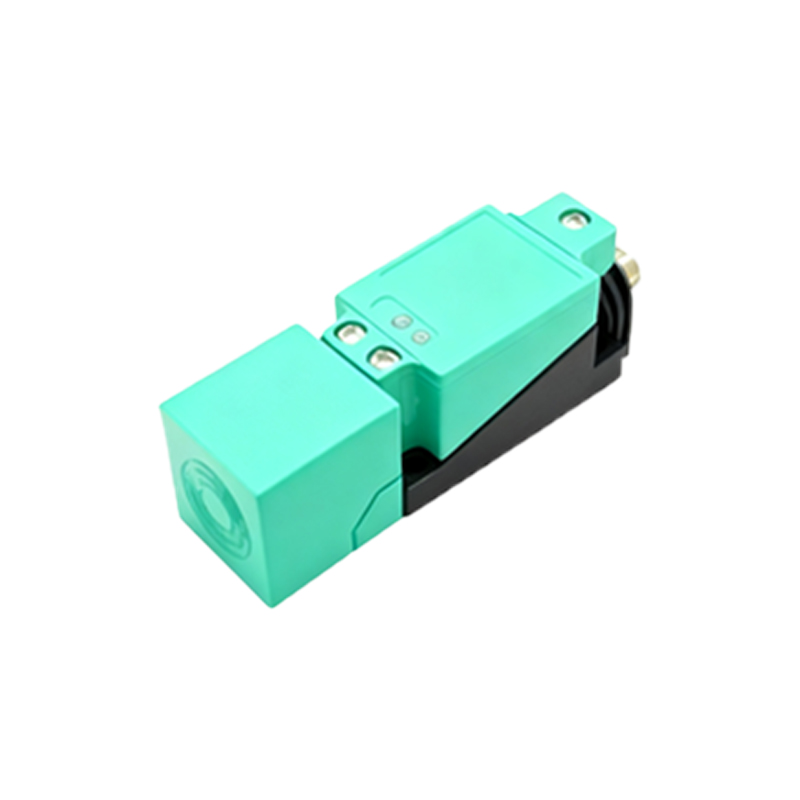
In practice, proximity sensors enhance processes in automotive manufacturing, packaging, and material handling. Inductive sensors monitor position in conveyor systems, while capacitive sensors control liquid levels in tanks. Ultrasonic models assist in object counting, and magnetic sensors ensure door safety in elevators. Regular maintenance, including calibration and contamination checks, is essential to prolong sensor lifespan and prevent downtime.
As Industry 4.0 evolves, proximity sensors are becoming more intelligent with embedded diagnostics and connectivity. Future trends may include miniaturization, enhanced energy efficiency, and AI-driven predictive maintenance. By understanding different models and their applications, engineers can optimize system performance and drive innovation in industrial automation.
Overall, proximity sensors are versatile tools that contribute to operational reliability. Choosing the right model involves balancing technical specifications with cost and environmental needs, ensuring seamless integration into automated systems for long-term success.