Laser sensors are critical components in modern industrial automation, providing high-precision, non-contact measurement for tasks ranging from object detection and positioning to distance measurement and quality control. However, like any sophisticated electronic device, they are susceptible to various anomalies that can compromise system performance, lead to production downtime, and increase maintenance costs. Understanding the root causes, symptoms, and troubleshooting methodologies for these anomalies is essential for engineers and maintenance personnel.
One of the most common categories of laser sensor anomalies is related to environmental interference. Industrial settings often present harsh conditions that can severely impact sensor operation. Ambient light interference, particularly from strong sources like direct sunlight, arc welding, or other high-intensity lamps, can saturate the sensor's photodetector, causing false readings or a complete loss of signal. Particulate matter such as dust, smoke, oil mist, or steam in the air can scatter or absorb the laser beam, attenuating the signal strength and reducing measurement accuracy or range. Extreme temperatures outside the sensor's specified operating range can affect the performance of its internal electronics and the laser diode itself, leading to drift in calibration or permanent damage. Vibration and mechanical shock can misalign the optical components, resulting in inconsistent beam targeting and erroneous data.
Another significant source of anomalies stems from the target object's properties. The sensor's performance is highly dependent on the surface characteristics of the target. Highly reflective or specular surfaces can cause the laser beam to reflect away from the receiver, while very dark or matte surfaces may absorb too much light, both scenarios leading to a weak return signal. Transparent or translucent objects, like glass or certain plastics, may allow the beam to pass through entirely, preventing detection. The color, texture, and angle of incidence all play crucial roles. Furthermore, if the target object moves at a speed exceeding the sensor's response time, it may not be detected reliably, causing missed counts or inaccurate positional data.
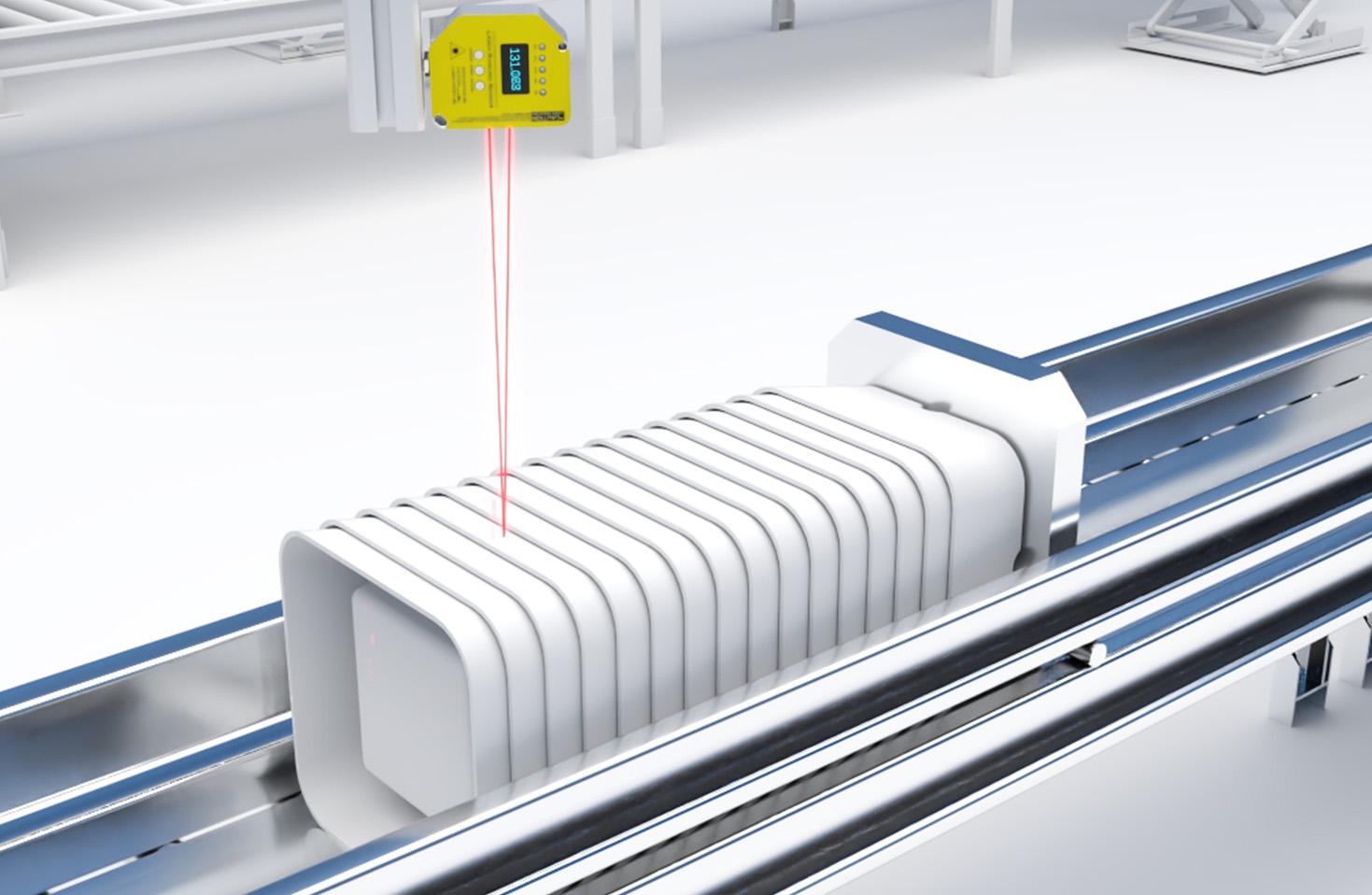
Internal component degradation or failure constitutes a third major area of concern. The laser diode, the heart of the sensor, has a finite lifespan. Over time, its output power can degrade, reducing the effective sensing range and signal-to-noise ratio. Catastrophic failure of the diode will render the sensor inoperative. Similarly, the photodetector or receiver circuitry can degrade or fail. Contamination on the sensor's front lens or window—such as dirt, grease, or scratches—is a frequent yet often overlooked issue. This contamination directly obstructs or distorts the emitted and received light paths. Power supply issues, including voltage spikes, ripple, or insufficient current, can cause erratic behavior, resetting, or damage to the sensor's internal electronics. Finally, firmware glitches or communication protocol errors in smart sensors can lead to illogical output or a failure to communicate with the host controller.
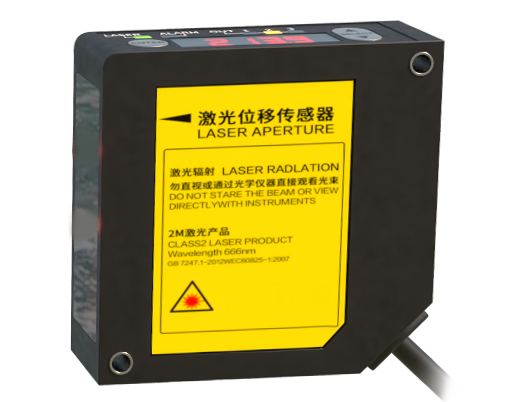
Effective troubleshooting requires a systematic approach. The first step is always to consult the sensor's datasheet and user manual to verify installation parameters, environmental limits, and wiring diagrams. A visual inspection should check for obvious physical damage, lens contamination, and secure mounting. Verifying the power supply with a multimeter to ensure it is within the specified tolerance is crucial. For environmental issues, consider installing protective housings, air purges, or light shrouds. Adjusting the sensor's installation angle relative to the target or light source can mitigate reflection and ambient light problems. Many modern sensors feature built-in diagnostics, such as signal strength indicators (often via an LED or software interface), which are invaluable for assessing beam integrity. Testing with a known-good reference target under controlled conditions can help isolate whether the issue is with the sensor or the application. If internal failure is suspected, swapping the sensor with a known functional unit is a definitive test.
Preventive maintenance is key to minimizing anomalies. Establish regular cleaning schedules for sensor lenses using appropriate materials. Implement environmental controls where feasible to reduce dust, temperature fluctuations, and vibration. Periodically verify sensor calibration and output against a master standard. Monitor operating hours for critical sensors to plan proactive replacement of laser diodes nearing their end-of-life expectancy.
In conclusion, laser sensor anomalies are multifaceted problems arising from environmental factors, target interactions, and internal failures. A deep understanding of the operating principles combined with a logical, step-by-step troubleshooting methodology empowers engineers to quickly diagnose and resolve issues, ensuring the reliability and precision essential for continuous industrial automation. Investing in proper installation, environmental protection, and routine maintenance significantly reduces the occurrence of these costly disruptions.