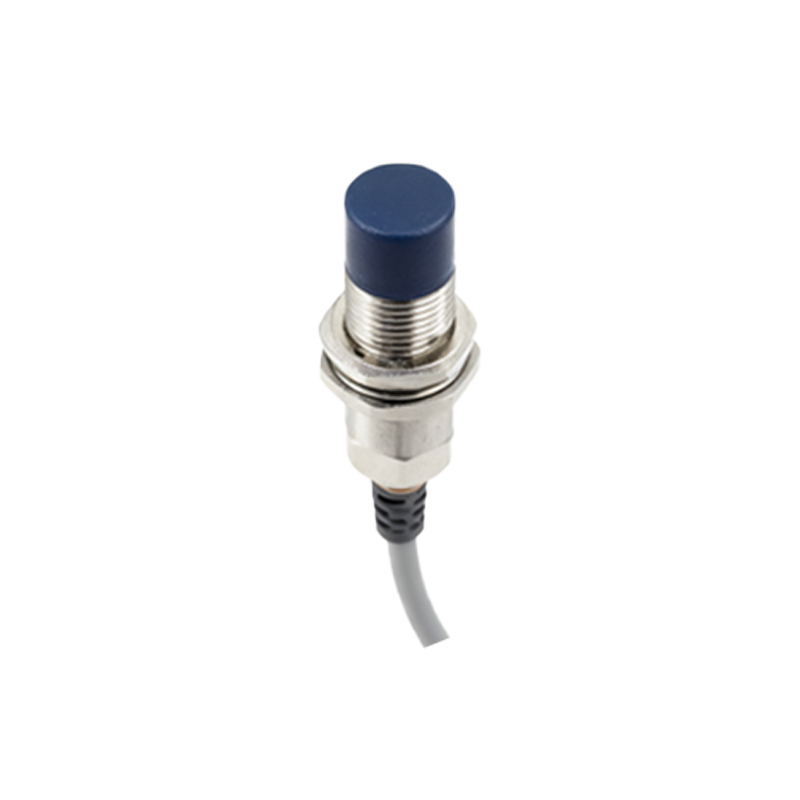
Proximity sensor manufacturing represents a critical segment within the industrial automation and electronics sectors, driven by precision engineering and evolving technological demands. These non-contact sensors, essential for detecting the presence or absence of objects, are foundational to modern manufacturing lines, automotive assembly, robotics, and safety systems. The production process begins with stringent design protocols, where factors like sensing range, material compatibility, environmental resilience, and output type (e.g., NPN/PNP, analog, or IO-Link) are meticulously defined.
Manufacturers prioritize selecting high-grade materials to ensure durability. Housing components are typically crafted from stainless steel, nickel-plated brass, or engineered plastics like PBT or PVDF, offering resistance to chemicals, temperature fluctuations, and physical impact. Internally, advanced semiconductor fabrication techniques produce the core sensing elements—often based on inductive, capacitive, magnetic, or ultrasonic principles. Inductive sensors, for instance, rely on coiled wire and oscillator circuits to detect metallic objects, while capacitive variants measure changes in dielectric constants for non-metallic materials.
Quality assurance is paramount in proximity sensor plants. Each unit undergoes rigorous testing under simulated operational conditions, including IP (Ingress Protection) rating validations for dust and water resistance, EMC (Electromagnetic Compatibility) checks to prevent interference, and longevity cycles assessing millions of actuations. Automation dominates assembly lines, with robotic arms placing micro-components onto PCBs (Printed Circuit Boards) and laser calibration ensuring micron-level accuracy. This reduces human error and scales production to meet global demand.
Innovation continues to reshape the industry. Miniaturization trends allow for sensors as small as 3mm in diameter, enabling integration into compact devices. Smart sensors with embedded diagnostics and IoT connectivity provide real-time data on performance metrics, predictive maintenance alerts, and seamless integration into Industry 4.0 frameworks. Energy-efficient designs, such as low-power models for battery-operated systems, also gain traction.
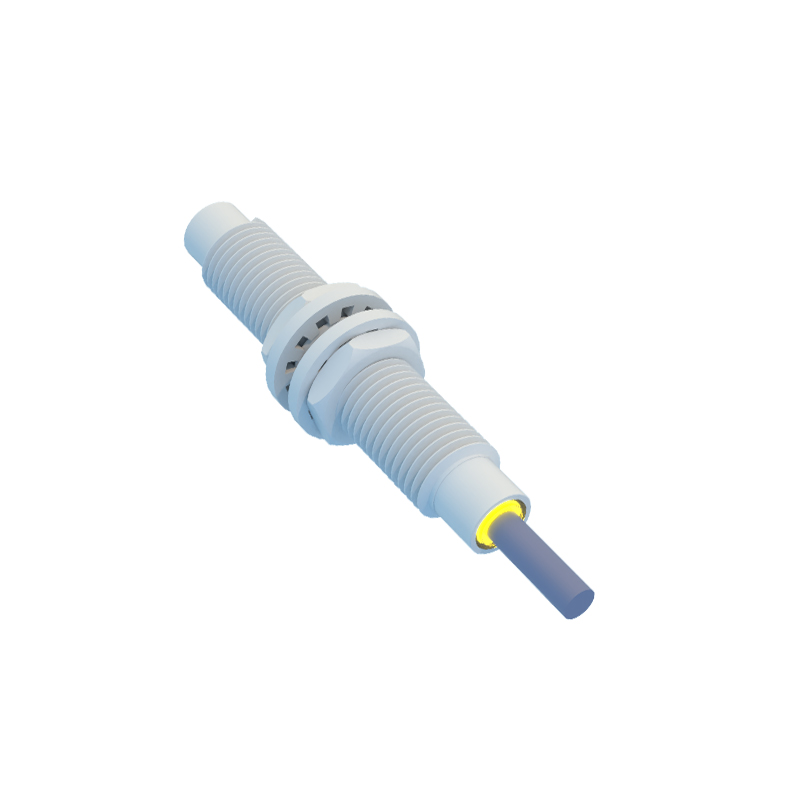
Environmental considerations are increasingly influential. Factories adopt RoHS (Restriction of Hazardous Substances) and REACH compliance, eliminating lead and other toxins from production. Many plants utilize renewable energy and recycle manufacturing byproducts, aligning with global sustainability goals.
Ultimately, proximity sensor manufacturing hinges on a synergy of mechanical expertise, electronic innovation, and adaptive logistics. As industries embrace automation and smart technologies, these sensors will remain pivotal, with manufacturers focusing on enhanced sensitivity, robustness, and interoperability to drive future advancements.