In the rapidly evolving landscape of industrial automation and smart environments, the mobile human proximity sensor stands as a pivotal technological advancement. Unlike traditional fixed sensors, these dynamic devices are designed to detect the presence, movement, and proximity of human operators within a defined operational radius, enabling a new paradigm of safety, efficiency, and interactive control. Their integration into mobile platforms—such as autonomous guided vehicles (AGVs), collaborative robots (cobots), and wearable safety gear—marks a significant leap forward in creating responsive and adaptive workspaces.
The core technology behind mobile human proximity sensors typically involves a fusion of sensing modalities. Common approaches include infrared (IR) sensing, ultrasonic ranging, capacitive sensing, and increasingly, time-of-flight (ToF) cameras or millimeter-wave radar. Each technology offers distinct advantages. Passive infrared (PIR) sensors are excellent for detecting motion based on body heat, while ultrasonic sensors provide precise distance measurement regardless of lighting conditions. Capacitive sensors can detect human presence through non-metallic materials, and advanced radar-based systems offer high-resolution detection even in challenging environments with dust, smoke, or varying light. The choice of technology depends on the specific application requirements, such as required detection range, resolution, response time, and environmental robustness.
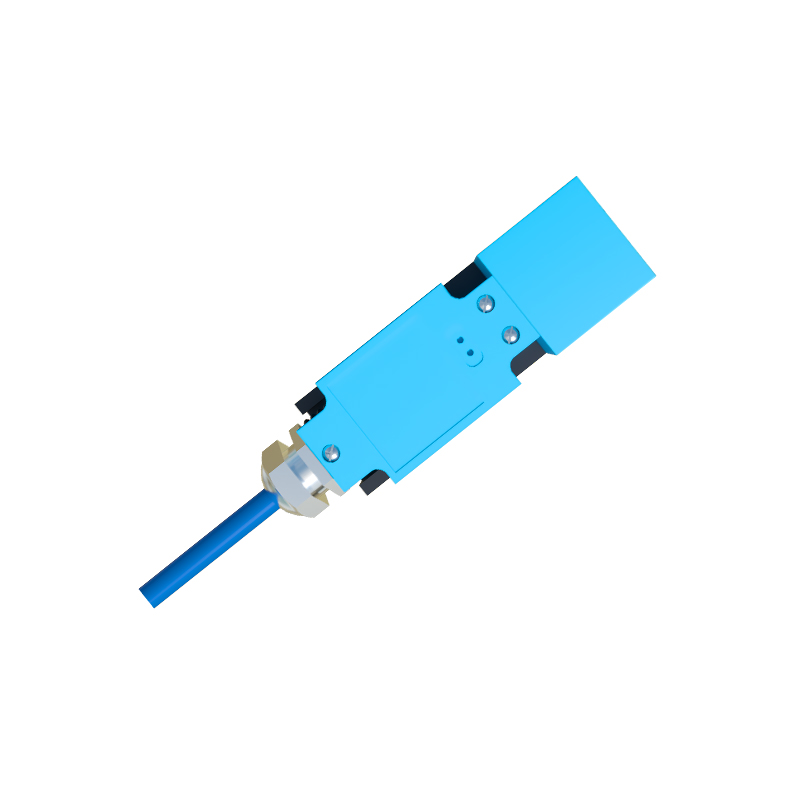
The primary application driving the adoption of these sensors is undoubtedly safety. In industrial settings where humans and machines increasingly share workspace, the prevention of collisions is paramount. Mobile sensors mounted on AGVs, for instance, create dynamic safety zones around the vehicle. As a human worker approaches, the sensor data triggers a graded response: first a warning signal, then a speed reduction, and finally an automatic stop if the proximity threshold is breached. This layered safety protocol, often compliant with standards like ISO 13855 (Safety of machinery), ensures a safe coexistence. Similarly, cobots equipped with sensitive proximity skins can halt or alter their trajectory instantly upon detecting unintentional human contact, moving beyond the limitations of traditional physical cages or light curtains.
Beyond pure safety, these sensors are powerful enablers of efficiency and intuitive interaction. In logistics, a sensor-laden AGV can navigate a warehouse floor not just by following pre-defined paths, but by dynamically adjusting its route in real-time to avoid workers, other vehicles, or unexpected obstacles. This reduces downtime and increases throughput. In retail or public spaces, mobile service robots can use proximity sensing to approach customers at a polite, non-intrusive distance to offer assistance. The data from these sensors also feeds into larger IoT ecosystems, providing valuable analytics on traffic flow, workspace utilization, and operational patterns, which can be used for further process optimization.
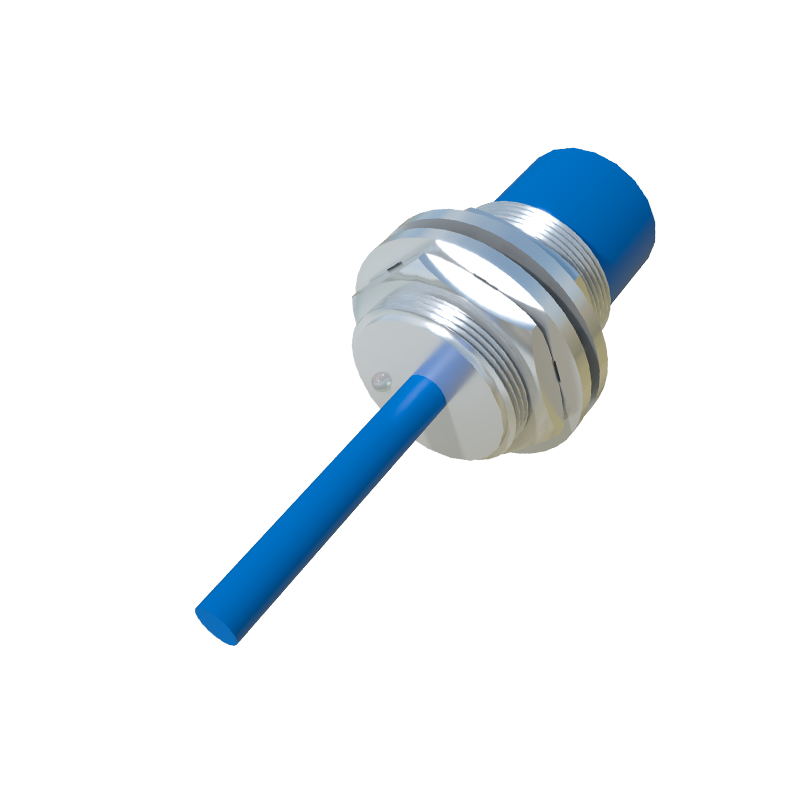
The design and implementation of mobile human proximity systems present unique engineering challenges. Power consumption is a critical constraint for battery-operated mobile units, necessitating efficient sensor fusion algorithms and low-power electronic design. Sensor data must be processed with minimal latency to enable real-time reactions, often requiring on-board edge computing capabilities. Furthermore, the sensors must be immune to false triggers from non-human objects, environmental noise, or interference from other electronic devices. Advanced signal processing, machine learning algorithms for pattern recognition, and robust mechanical packaging are essential to ensure reliable operation in harsh industrial environments.
Looking ahead, the convergence of mobile proximity sensing with artificial intelligence and 5G connectivity promises even greater capabilities. AI can enhance contextual awareness, allowing a system to distinguish between a worker intentionally approaching a machine for maintenance versus an accidental stumble. High-speed, low-latency 5G networks will enable more complex sensor data from multiple mobile units to be processed centrally in real-time, coordinating the movements of entire fleets of vehicles and robots for synchronized, safe, and highly efficient operations. The future may also see the miniaturization of these sensors into personal wearable devices, creating individualized safety bubbles for workers that interact seamlessly with the smart factory infrastructure.
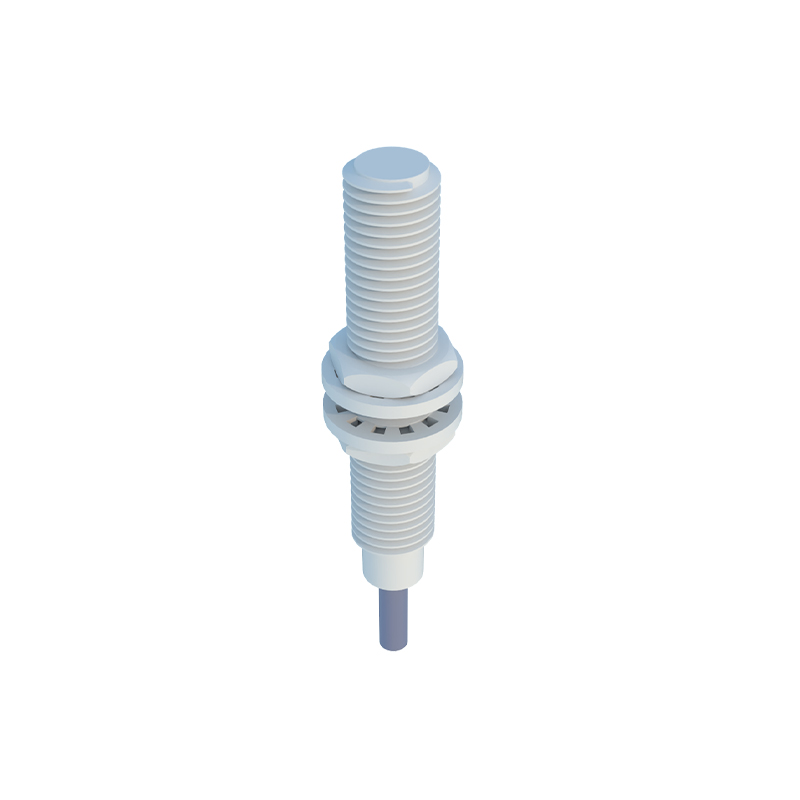
In conclusion, mobile human proximity sensors are far more than simple detection devices. They are the foundational sensory layer for the next generation of interactive, safe, and intelligent mobile systems. By providing machines with a nuanced awareness of human presence, they bridge the gap between fully automated processes and the indispensable human element within industrial and commercial operations. Their continued development and integration will be central to realizing the full potential of Industry 4.0 and beyond, creating environments where technology adapts to human needs with unprecedented precision and care.