In the industrial automation and control systems sector, magnetic proximity sensors are indispensable components for non-contact detection of ferrous metal objects. As a senior electrical engineer with extensive experience in specifying and procuring these devices, I aim to provide a comprehensive analysis of the factors influencing their agent pricing. This guide is intended for industrial buyers, OEMs, and distributors seeking to understand the market dynamics and make informed purchasing decisions.
The pricing structure for magnetic proximity sensors offered by agents or distributors is rarely a simple list price. It is a complex calculation influenced by a multi-layered supply chain. At the top are the original manufacturers, whose pricing is based on R&D, production costs, and brand positioning. Authorized agents then add their margin, which covers value-added services like technical support, local inventory holding, warranty processing, and sales engineering. Understanding this chain is the first step in deciphering a quote.
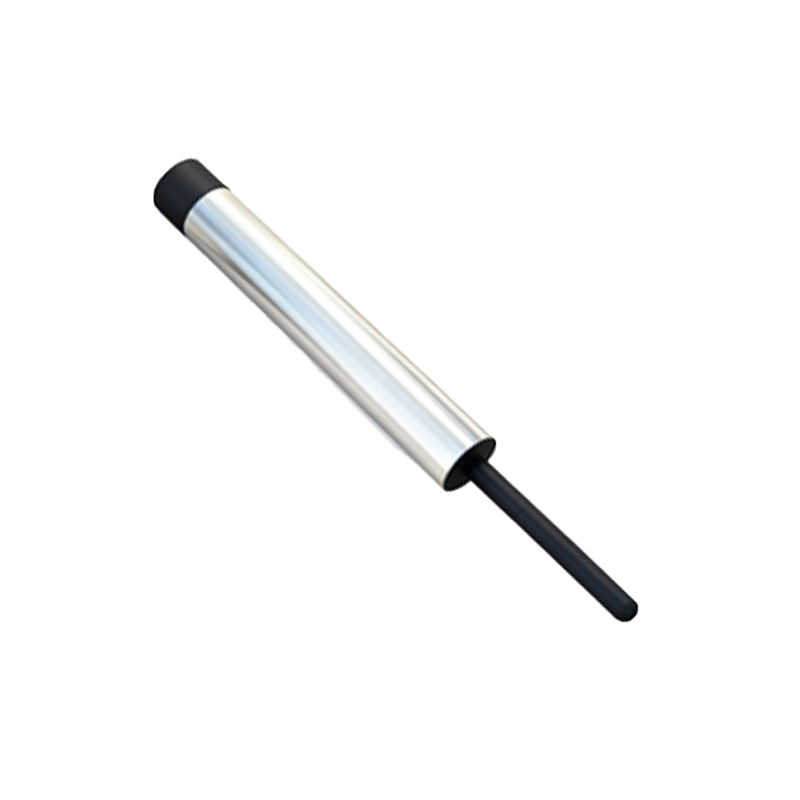
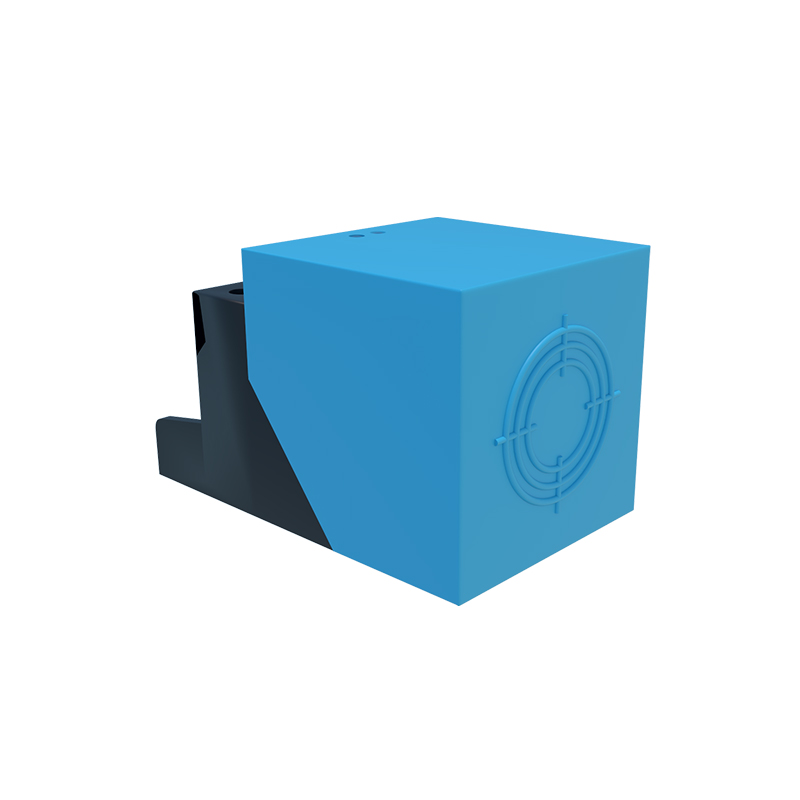
Several core technical and commercial factors directly impact the final agent price. Sensor technology is primary. Standard tubular inductive sensors with a fixed sensing range are the most cost-effective. More advanced models featuring extended sensing distances, analog output (4-20mA or 0-10V), or specialized form factors (e.g., rectangular, ring-shaped) command a premium. The protection rating (IP67, IP68, IP69K) is another critical cost driver. Sensors designed for harsh environments—resistant to washdowns, chemicals, or extreme temperatures—involve more robust sealing and housing materials, increasing the unit cost.
Brand equity plays a significant role. Established global brands like Siemens, Pepperl+Fuchs, Omron, and Balluff typically have higher price points, justified by perceived reliability, extensive global certification (UL, CE, ATEX), and long-term availability. Emerging or regional brands may offer competitive pricing to gain market share, but buyers must carefully evaluate the trade-offs in technical support, warranty terms, and product longevity.
Order volume is the most powerful lever for price negotiation. Agents operate on tiered pricing models. A one-off purchase for a maintenance replacement will be at the highest per-unit cost. Annual volume commitments, blanket purchase orders, or contracts for large OEM production lines can secure discounts of 15% to 30% or more. It is crucial to project your annual usage accurately to negotiate the most favorable tier.
Beyond the unit price, the total cost of ownership (TCO) must be considered. A lower-priced sensor with a shorter operational life or higher failure rate can lead to costly downtime and replacement labor. Key TCO factors include mean time between failures (MTBF), environmental suitability, and compatibility with existing control systems. An agent providing robust technical support can reduce TCO by ensuring correct sensor selection and installation, preventing costly errors.
The current global landscape also affects pricing. Supply chain disruptions, fluctuations in raw material costs (for metals and plastics), and currency exchange rates are variables agents factor into their quotes. Long lead times from manufacturers may lead agents to charge a premium for items held in local stock, ensuring immediate availability for customers.
To navigate pricing effectively, buyers should adopt a strategic approach. First, clearly define the application requirements: sensing distance, target material, output type (PNP/NPN/NO/NC), voltage range, and environmental conditions. Over-specifying leads to unnecessary cost. Second, solicit quotes from multiple authorized agents for the same brand and part number to gauge the market rate. Third, explore the value proposition of different brands; sometimes a mid-tier brand offers the optimal balance of features, reliability, and cost. Finally, build a relationship with a reputable agent. A trusted agent becomes a technical partner, offering insights into lifecycle status (new, active, obsolete) and potential alternatives that can optimize both performance and budget.
In conclusion, the agent price for a magnetic proximity sensor is a reflection of technical sophistication, brand value, supply chain costs, and negotiated volume. By focusing on technical requirements, evaluating Total Cost of Ownership, and engaging in informed negotiations with agents, industrial buyers can secure not just a competitive price, but a reliable component that ensures the efficiency and uptime of their automated systems.