In industrial environments, laser sensors are critical components for precision measurement, alignment, and detection tasks. However, prolonged operation often leads to significant heat generation, which can compromise sensor accuracy, reduce lifespan, and even cause system failures. Efficient cooling is therefore essential to maintain optimal performance and reliability. This article explores practical cooling techniques tailored for laser sensors, addressing common challenges and providing actionable solutions.
Laser sensors generate heat primarily through the laser diode and associated electronics. Excessive temperature rise can cause wavelength drift, output power instability, and accelerated degradation of optical components. In high-ambient-temperature settings, such as manufacturing floors or outdoor installations, these issues are exacerbated. Implementing proper cooling strategies ensures consistent operation and extends the sensor's service life.
Passive cooling methods are often the first line of defense. Heat sinks, made from materials like aluminum or copper, are attached to the sensor housing to dissipate heat through conduction and natural convection. The design of fins increases surface area, enhancing heat transfer to the surrounding air. For compact sensors, integrating thermally conductive pads or phase-change materials can improve heat distribution. Passive solutions are cost-effective, require no external power, and are maintenance-free, making them suitable for moderate heat loads and stable environments.
When passive cooling is insufficient, active cooling systems become necessary. Forced air cooling, using fans or blowers, directs airflow over the sensor or its heat sink, significantly boosting heat dissipation. This method is effective for enclosed spaces or applications with variable thermal loads. However, designers must consider dust accumulation and mechanical vibration, which can affect sensor precision. Regular maintenance, such as filter cleaning, is recommended to sustain performance.
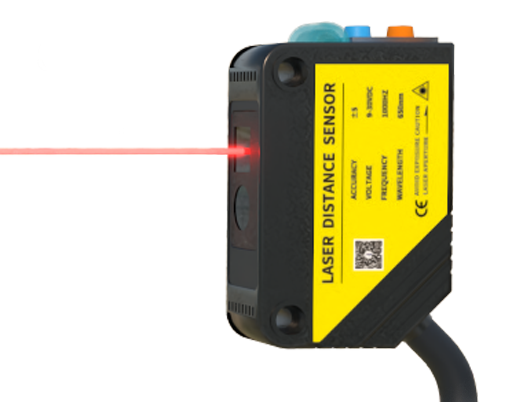
Liquid cooling offers superior thermal management for high-power laser sensors. Systems circulate coolant through channels or cold plates in contact with the sensor, transferring heat to a remote radiator. Although more complex and costly, liquid cooling provides precise temperature control and handles intense heat fluxes, ideal for demanding industrial processes like laser cutting or welding. Ensuring leak-proof connections and using compatible coolants are critical to prevent damage.
Thermoelectric coolers (TECs) represent another advanced option. These solid-state devices use the Peltier effect to create active heat pumping, cooling the sensor below ambient temperature when needed. TECs are compact and allow for rapid temperature adjustments, beneficial in applications requiring strict thermal stability. However, they consume additional power and may require heat sinks to manage waste heat.
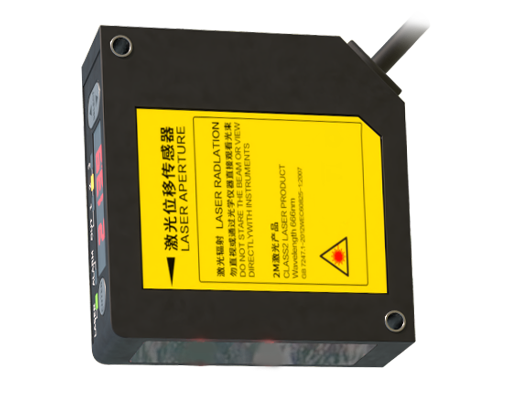
Environmental factors also play a key role. Installing sensors in well-ventilated areas, away from other heat sources, reduces thermal stress. Using enclosures with thermal management features, such as vents or integrated cooling fins, can further aid dissipation. In extreme conditions, air conditioning or dedicated cooling units may be employed to control the ambient temperature around the sensor system.
Regular monitoring is crucial for effective cooling. Incorporating temperature sensors near critical components enables real-time thermal tracking. Data can be used to trigger cooling mechanisms or alerts, preventing overheating incidents. Predictive maintenance, based on thermal trends, helps identify issues before they lead to downtime.
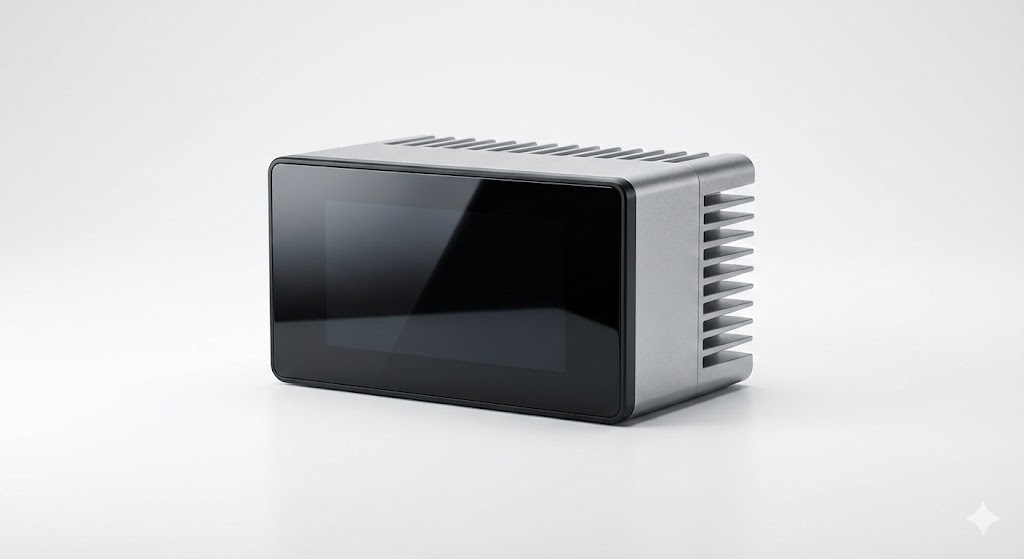
In summary, selecting the right cooling method depends on the sensor's power, environmental conditions, and application requirements. A combination of approaches often yields the best results. By prioritizing thermal management, engineers can enhance the accuracy, durability, and efficiency of laser sensors, supporting robust industrial automation and measurement systems.