In the rapidly evolving landscape of electrical engineering and industrial design, the integration of advanced sensor technology into everyday tools has become a hallmark of innovation. Among these tools, the computer mouse—a ubiquitous interface device—has undergone significant transformation. The emergence of the vertical laser sensor mouse represents a pivotal convergence of ergonomic design and high-precision sensing, offering profound benefits for professionals in electrical engineering, PCB design, CAD modeling, and related technical fields. This article delves into the technical specifications, operational advantages, and practical applications of this sophisticated input device, underscoring its role in enhancing productivity and reducing occupational strain.
At its core, a vertical laser sensor mouse distinguishes itself through two fundamental components: its ergonomic vertical orientation and its high-resolution laser sensor. Traditional mice position the hand in a pronated, flat posture, which can lead to prolonged ulnar deviation and increased pressure on the carpal tunnel. In contrast, the vertical design maintains the hand in a more natural handshake position, aligning the forearm, wrist, and hand in a neutral posture. This orientation significantly reduces musculoskeletal stress, which is crucial for engineers and designers who engage in long hours of detailed schematic work or simulation tasks. The ergonomic benefits are not merely subjective; studies in occupational health indicate that such designs can mitigate risks of repetitive strain injuries (RSI) and conditions like carpal tunnel syndrome, thereby promoting sustainable work practices.
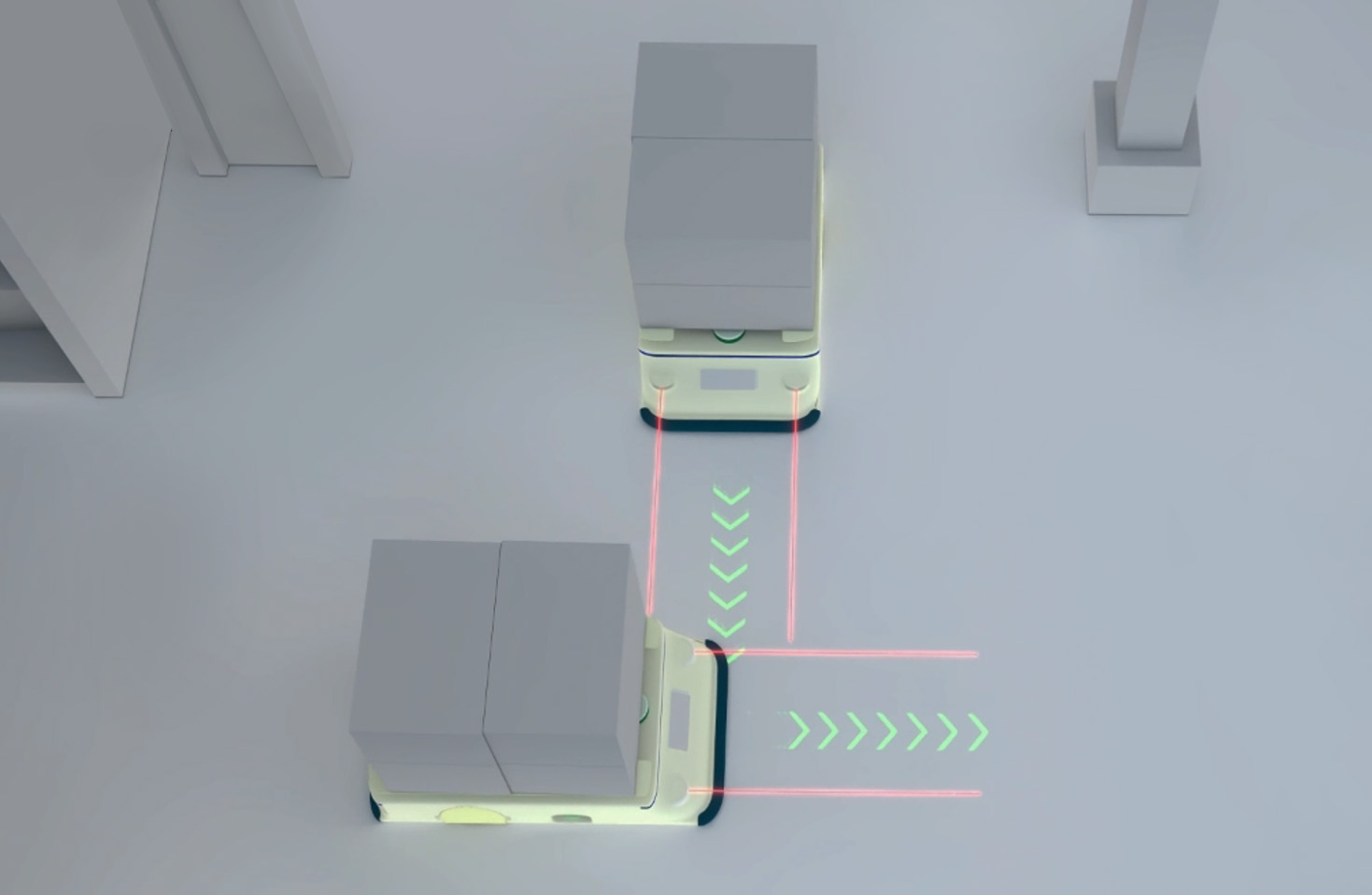
The technological heart of this device lies in its laser sensor. Unlike conventional optical sensors that rely on LED light and may struggle with certain surfaces, laser sensors employ laser diode illumination to achieve superior tracking accuracy and surface compatibility. Typical laser sensors offer DPI (dots per inch) ratings ranging from 800 to 16,000, with many professional models featuring adjustable DPI settings. This high resolution allows for exceptionally precise cursor control, which is indispensable for tasks requiring fine motor skills, such as tracing circuit paths in EDA (Electronic Design Automation) software, manipulating 3D models in SolidWorks or AutoCAD, or performing precise measurements in graphical interfaces. The laser sensor's ability to track on a wide variety of surfaces—including glossy, textured, or uneven desks—ensures reliable performance in diverse engineering environments, from laboratory benches to field workstations.
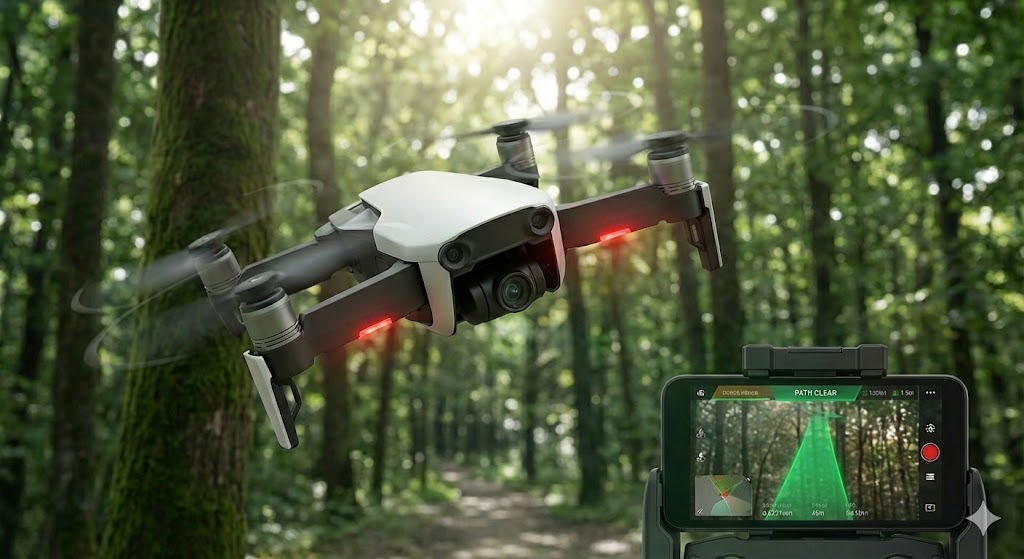
From an electrical engineering perspective, the internal architecture of a vertical laser sensor mouse is a marvel of miniaturized electronics. It incorporates a laser navigation sensor chip, a microcontroller unit (MCU) for processing movement data, and often a dedicated sensor processor to handle high-speed data streams. The sensor works by emitting a coherent laser beam onto the surface; the reflected light is captured by a photodetector array, and the MCU analyzes the microscopic variations in the pattern to calculate movement vectors with extreme accuracy. This process involves sophisticated digital signal processing (DSP) algorithms to filter noise and enhance tracking fidelity. For engineers, understanding this interplay of optics, analog signal acquisition, and digital processing can be intellectually stimulating, reflecting broader principles applied in sensor systems, robotics, and instrumentation.
The practical applications in electrical engineering are extensive. When designing complex printed circuit boards (PCBs) using tools like Altium Designer or KiCad, the precision of a laser sensor enables engineers to place components and route traces with pixel-perfect accuracy, reducing errors and rework. In firmware development or when working with integrated development environments (IDEs), the responsive tracking improves navigation through code and debugging interfaces. Furthermore, the programmability of many high-end vertical laser mice—allowing customization of buttons for macros, shortcuts, or specific software commands—streamlines workflows. For instance, an engineer can assign buttons to common functions like "zoom," "pan," or "switch layer," significantly accelerating design iterations.
Beyond individual productivity, the adoption of such ergonomic tools aligns with broader industry trends toward human-centric engineering and workplace wellness. Companies investing in the health and efficiency of their technical staff often see reductions in absenteeism and healthcare costs, alongside boosts in morale and output quality. The vertical laser sensor mouse, therefore, is not merely a peripheral but a strategic asset in a modern engineering toolkit.

In conclusion, the vertical laser sensor mouse stands at the intersection of ergonomic innovation and sensor technology excellence. It addresses the physical demands of prolonged computer use while delivering the precision required for intricate technical work. For electrical engineers and technical professionals, selecting a mouse with these features is a decision that supports both immediate task performance and long-term occupational health. As sensor technology continues to advance, future iterations may incorporate features like wireless charging, enhanced surface calibration, or even biometric feedback, further solidifying its role in the smart, ergonomic workplaces of tomorrow.