In the realm of industrial automation and control systems, proximity sensors stand as fundamental components, enabling non-contact detection of objects with precision and reliability. These devices, often referred to as proximity switches or proximity sensors, are engineered to detect the presence or absence of an object within a specified sensing range without any physical contact. This non-contact nature eliminates mechanical wear and tear, significantly enhancing operational longevity and system reliability in demanding industrial environments.
The operational principle of a proximity sensor is based on the disturbance of an electromagnetic field, acoustic field, or light beam. The most prevalent type is the inductive proximity sensor. It generates an oscillating electromagnetic field from its sensing face. When a metallic object enters this field, it induces eddy currents within the object, which in turn dampens the oscillation of the sensor's internal circuit. This change is detected and converted into a solid-state output signal, typically switching a load on or off. Inductive sensors are exclusively for detecting ferrous and non-ferrous metals, with sensing ranges varying from a few millimeters to several centimeters, depending on the sensor's size and design.
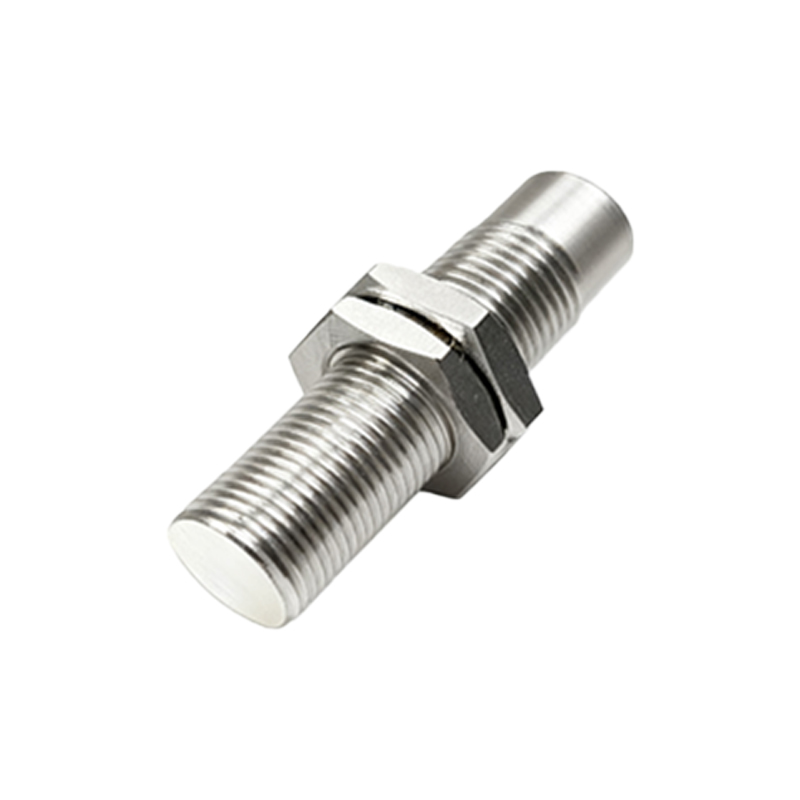
Another critical category is the capacitive proximity sensor. These sensors can detect both metallic and non-metallic materials, including liquids, powders, plastics, and wood. They operate by generating an electrostatic field. Any object that enters this field alters its capacitance, triggering a change in the internal oscillator state and resulting in an output signal. This makes capacitive sensors incredibly versatile for applications like level detection in tanks or presence detection of non-metallic containers on a conveyor.
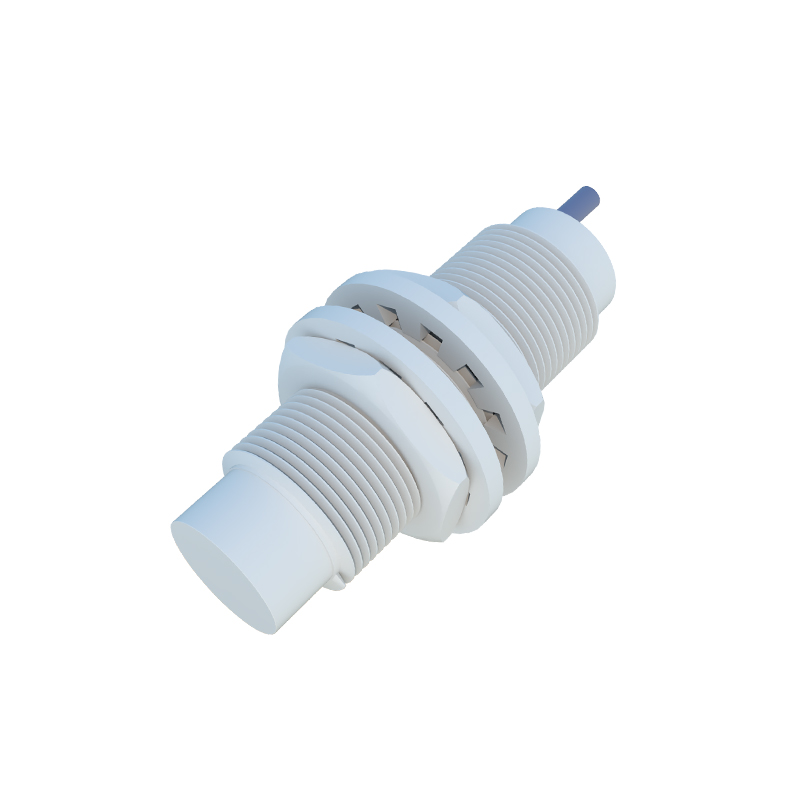
For applications requiring long-range detection or precise positioning, photoelectric sensors are often employed. These use a light emitter (usually LED or laser) and a receiver. The presence of an object is detected by either the interruption of the light beam (through-beam), reflection from the object (retro-reflective), or reflection from the object using the sensor's own emitted light (diffuse reflective). Ultrasonic proximity sensors, which use sound waves, are similarly effective for longer ranges and can detect objects regardless of color, transparency, or material, making them suitable for challenging conditions with dust or vapor.
The selection of an appropriate proximity sensor for a specific application is a critical engineering decision. Key parameters must be evaluated. First, the sensing distance, or "rated operating distance," must be chosen with a safety margin, typically 70-80% of the nominal value, to account for environmental factors and part tolerances. The target material is paramount; inductive for metals, capacitive for a broader range, and photoelectric/ultrasonic for specialized needs. The output configuration is another vital consideration: NPN (sinking) or PNP (sourcing) transistor outputs are standard for DC sensors, while AC models often use relay or solid-state AC outputs. The choice depends on the control system's input card requirements.
Environmental robustness is non-negotiable in industrial settings. Ingress Protection (IP) ratings, such as IP67 or IP69K, indicate resistance to dust and water. Sensors must also withstand mechanical shocks, vibrations, and chemical exposure. Temperature ratings ensure stable operation in foundries or cold storage facilities. Furthermore, certain applications in hazardous areas require sensors with specific certifications like ATEX or IECEx for safe operation in explosive atmospheres.
Applications for proximity sensors are vast and integral to modern manufacturing. They are ubiquitous in machine automation for part counting, position verification, and end-of-travel limit switching. On assembly lines, they detect the presence of components for robotic pick-and-place operations. In material handling, they monitor fill levels in silos or control the positioning of cranes. Their speed and accuracy make them indispensable for high-speed packaging machinery and CNC machine tools for tool positioning and workpiece detection.
Installation and wiring practices significantly impact sensor performance. Proper mounting, ensuring the correct orientation and adequate clearance from metal surfaces (to prevent flanking interference), is essential. Shielding, grounding, and using twisted-pair cables help mitigate electrical noise in sensitive applications. Regular maintenance, though minimal, involves keeping the sensing face clean from debris, oil, or metal chips that could cause false triggering.
In conclusion, proximity sensors are the silent sentinels of automation, providing the essential feedback for control systems to function intelligently. From simple presence detection to complex positioning tasks, their role is pivotal. A deep understanding of their operating principles, types, and key selection criteria—sensing distance, target material, output type, and environmental durability—empowers engineers to design robust, efficient, and reliable automated systems. As Industry 4.0 and the Industrial Internet of Things (IIoT) advance, the integration of smart sensors with diagnostic capabilities and network connectivity will further elevate the functionality and value of these critical components in the connected factory of the future.