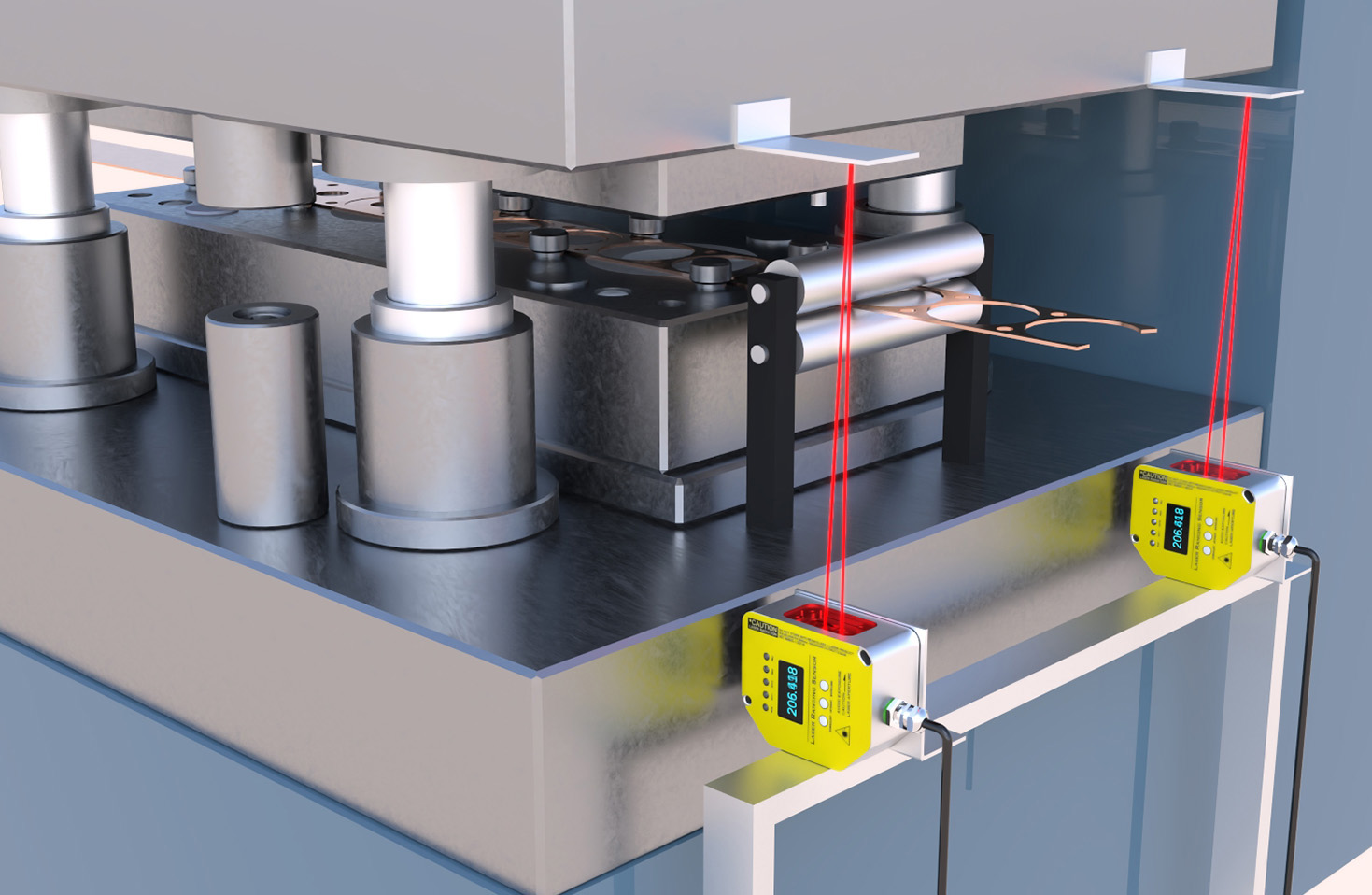
Laser circuit sensors represent a pivotal advancement in electrical engineering, offering unparalleled precision in measurement and control applications. These sensors utilize laser technology to detect, monitor, and analyze electrical parameters within circuits, enabling real-time data acquisition with minimal interference. The core principle involves emitting a focused laser beam onto a target component, such as a conductor or semiconductor, and measuring the reflected or transmitted light to infer electrical characteristics like current, voltage, or resistance. This non-contact method eliminates the need for physical connections, reducing wear and enhancing safety in high-voltage environments.
In industrial settings, laser circuit sensors are integral to automation systems, where they facilitate precise alignment, fault detection, and quality control. For instance, in power distribution networks, these sensors can monitor current flow without disrupting operations, allowing for proactive maintenance and minimizing downtime. The integration of fiber optics with laser sensors further extends their capabilities, enabling remote sensing in hazardous or inaccessible areas. Engineers often pair these sensors with microcontrollers and data analytics software to create intelligent monitoring systems that predict failures and optimize performance.
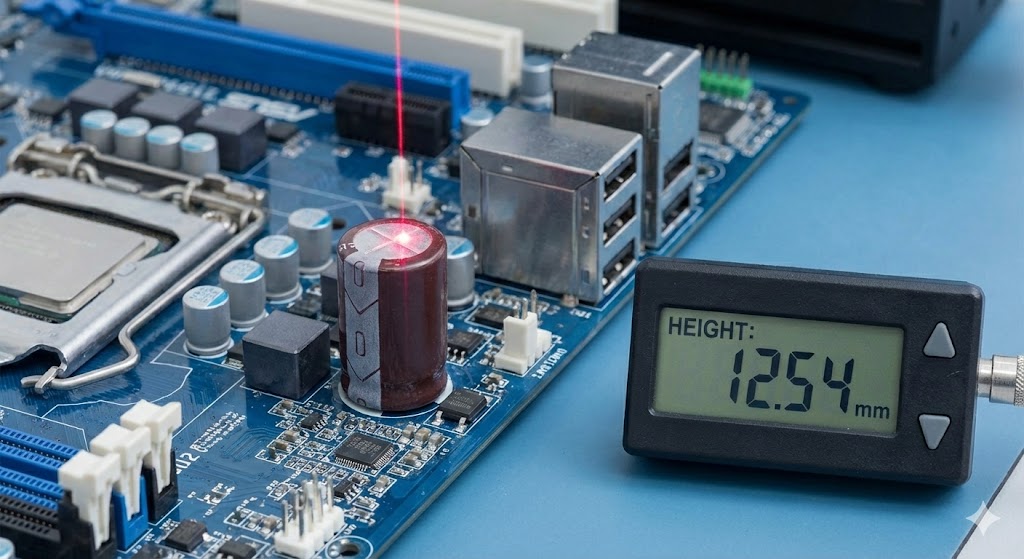
The design of laser circuit sensors requires careful consideration of factors such as wavelength, power output, and environmental conditions. Shorter wavelengths, like those in the visible or near-infrared spectrum, are commonly used for high-resolution measurements, while higher power lasers may be employed for long-distance sensing. However, challenges such as ambient light interference, thermal drift, and material reflectivity must be addressed through calibration and shielding techniques. Recent innovations include the development of compact, low-power sensors for IoT applications, allowing seamless integration into smart grids and wearable electronics.
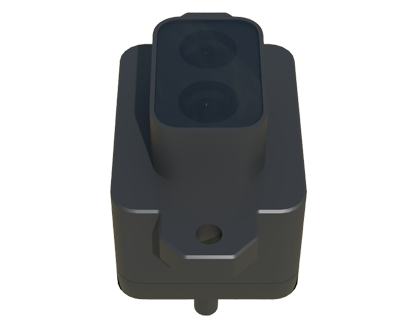
From a technical perspective, laser circuit sensors operate based on principles like interferometry or photoelectric effects. In interferometric sensors, changes in the laser beam's phase due to electrical fields provide insights into voltage variations, whereas photoelectric sensors rely on light intensity modulation caused by current-induced thermal effects. These mechanisms enable measurements with accuracies up to 0.1%, surpassing traditional methods like shunt resistors or Hall effect sensors. Moreover, the scalability of laser technology allows for customization across diverse industries, from aerospace to consumer electronics.
Looking ahead, the evolution of laser circuit sensors is closely tied to advancements in materials science and artificial intelligence. Emerging trends include the use of quantum dots to enhance sensitivity and machine learning algorithms for adaptive calibration. As electrical systems become more complex, the demand for reliable, non-invasive sensing solutions will continue to grow, positioning laser circuit sensors as a cornerstone of modern engineering. Engineers and technicians must stay abreast of these developments to leverage their full potential in designing efficient, safe, and innovative electrical infrastructures.