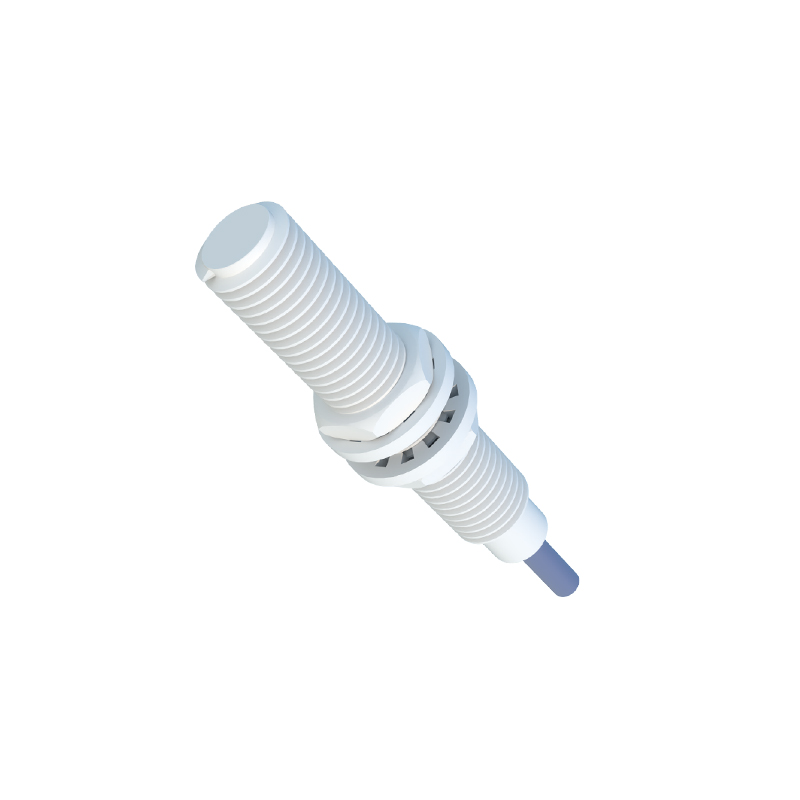
Photoelectric proximity sensors are indispensable components in modern industrial automation, offering non-contact detection of objects with high precision and reliability. Their pricing varies significantly across the market, influenced by a complex interplay of technical specifications, brand reputation, and application requirements. Generally, basic diffuse reflective sensors can start from as low as $20 to $50 per unit for standard models from generic or value-oriented brands. These are suitable for simple presence detection in benign environments. For more demanding applications requiring modulated light to ignore ambient interference, background suppression, or precise sensing distances, prices typically range from $50 to $150. High-performance models, including those with advanced features like precise background suppression, long-range detection (beyond 10 meters), fiber optic variants, or specialized housings for harsh conditions (e.g., IP67/IP69K ratings, stainless steel bodies), can command prices from $150 to over $500 per unit.
Several key factors directly impact the cost. First, the sensing principle is fundamental: diffuse, retro-reflective, and through-beam sensors have different price points, with through-beam (separate emitter and receiver) often being more costly due to the need for two components and alignment. Second, sensing range and beam type (visible red, laser, infrared) play a role; longer ranges and laser-based models increase the price. Third, output configuration (PNP/NPN, analog, IO-Link, relay) and housing material (plastic vs. metal) add to the cost. Fourth, environmental ratings for dust, water, washdown, or chemical resistance necessitate more robust construction, elevating the price. Fifth, brand equity is substantial; established leaders like Sick, Omron, Banner Engineering, Keyence, and Pepperl+Fuchs often price their sensors 20% to 50% higher than mid-tier or generic alternatives, justified by proven reliability, extensive support, and longer warranties.
From an industry procurement perspective, volume purchasing through authorized distributors or direct OEM contracts can substantially reduce the per-unit cost. For standard applications, many engineers opt for reliable mid-range sensors from brands like Allen-Bradley (Rockwell Automation), Schneider Electric, or Turck, where prices for common models hover between $80 and $200. It is crucial to consider the total cost of ownership, not just the initial purchase price. A cheaper sensor that fails prematurely or causes production downtime can be far more expensive than a higher-priced, reliable alternative. Furthermore, integration ease and compatibility with existing control systems (PLCs) are intangible cost factors.
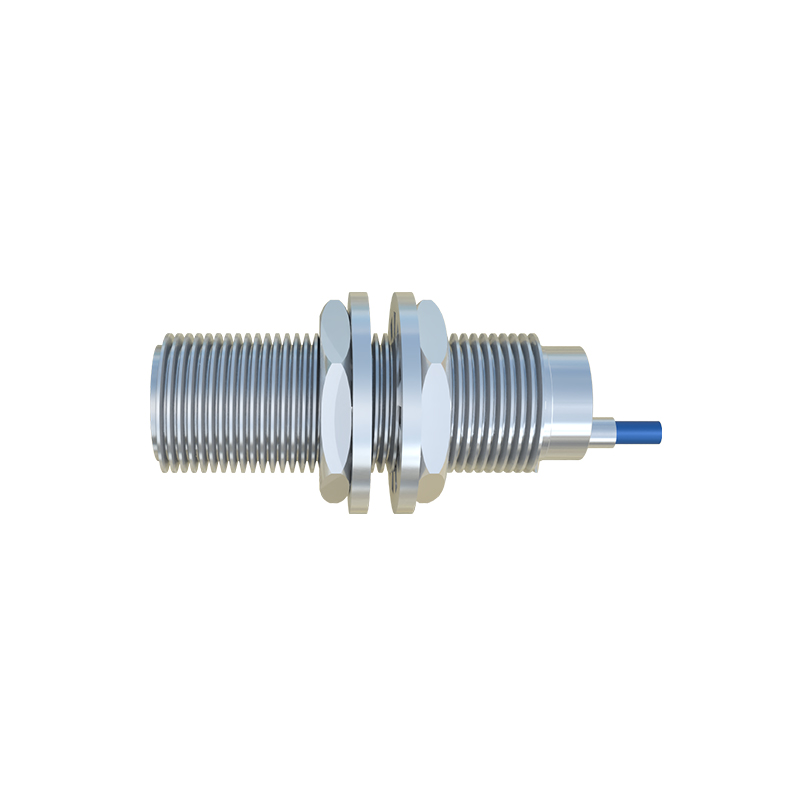
When evaluating price, always cross-reference the sensor's datasheet specifications against the application's actual needs. Over-specifying leads to unnecessary expense, while under-specifying risks operational failure. For example, a simple packaging line detecting cardboard boxes may only need a $30 diffuse sensor, while a food processing line requiring frequent washdowns and high-speed detection might need a $200+ hygienic design sensor. The market also offers a growing range of competitively priced sensors from Asian manufacturers, which can provide good value for non-critical applications. Ultimately, the "right" price balances performance, durability, brand support, and lifecycle cost to ensure seamless integration and long-term operational efficiency in any automated system.