In the realm of precision measurement and spatial awareness, the single-point laser rangefinder sensor stands as a cornerstone technology. Unlike scanning or array-based systems, this device is dedicated to one fundamental task: accurately determining the distance to a specific, single target point. Its operation is elegantly straightforward yet underpinned by sophisticated physics, making it an indispensable tool across a staggering variety of industries, from construction and forestry to robotics and industrial automation.
The core principle behind most single-point laser rangefinders is Time-of-Flight (ToF). The sensor emits a focused pulse or modulated wave of laser light towards a target. This light reflects off the surface and returns to a detector within the sensor. An internal high-speed clock precisely measures the time elapsed between emission and reception. Since the speed of light is a known constant, the distance can be calculated with remarkable accuracy using the formula: Distance = (Speed of Light × Time of Flight) / 2. Alternative phase-shift methods, which analyze the phase difference between emitted and returned modulated light, offer even higher precision for shorter ranges. The result is a rapid, non-contact measurement delivered as a digital or analog signal.
The applications for this focused capability are vast and critical. In construction and surveying, professionals rely on these sensors for quick, accurate measurements of distances, areas, and volumes, streamlining tasks like site planning and interior design. Forestry management utilizes them to measure tree height and plot density. In the automotive sector, they are integral to advanced driver-assistance systems (ADAS), such as adaptive cruise control and collision avoidance, where monitoring the distance to a vehicle ahead is paramount. Industrial automation leverages them for precise positioning, object detection on conveyor belts, and controlling fill levels in tanks or silos. Even consumer electronics, like certain cameras and golf rangefinders, incorporate miniaturized versions for autofocus and distance calculation.
Selecting the right single-point laser rangefinder sensor requires careful consideration of several key parameters. The measurement range is primary; sensors are available from sub-meter models for delicate robotics to long-range units capable of measuring over a kilometer for surveying. Accuracy and resolution define the sensor's precision, with high-end models achieving millimeter-level accuracy. The laser class (typically Class 1 or Class 2) indicates safety, with Class 1 being eye-safe under all conditions. Response time or measurement rate is crucial for dynamic applications like vehicle control. Environmental robustness, indicated by Ingress Protection (IP) ratings, ensures reliability against dust and moisture. Finally, the output interface (e.g., analog voltage, 4-20mA, RS232, CAN bus, or Ethernet) must be compatible with the host system for seamless integration.
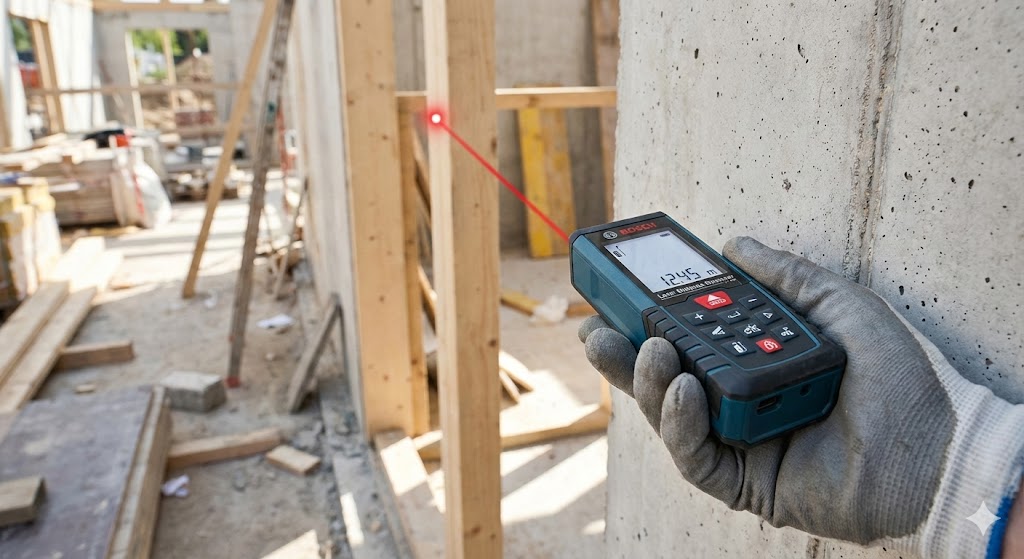
When deploying these sensors, practical considerations are essential. The target's surface properties significantly affect performance; dark, matte, or highly reflective surfaces can absorb or scatter the laser beam, potentially reducing signal strength or causing erroneous readings. Ambient light, especially direct sunlight, can interfere with the detector. For outdoor use, selecting models with robust filtering and high laser power is often necessary. Proper mounting and alignment are critical to ensure the laser point hits the intended target. Regular cleaning of the lens and adherence to manufacturer guidelines for operating temperature and humidity will ensure long-term stability and accuracy.
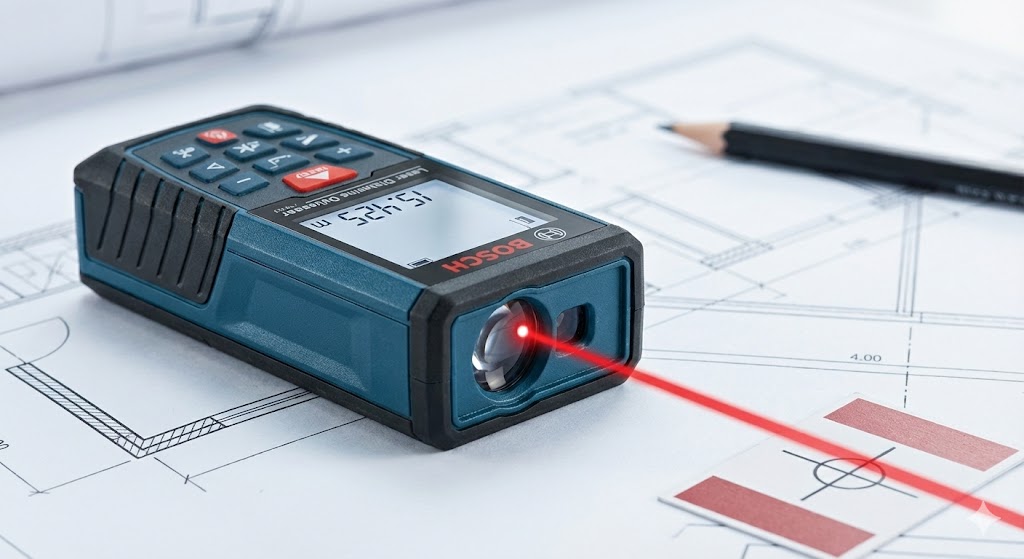
Looking ahead, the evolution of the single-point laser rangefinder continues. Trends point toward further miniaturization, reduced power consumption for battery-operated devices, and enhanced intelligence. Integration with onboard microprocessors allows for advanced functions like multi-echo processing to ignore foreground obstructions (e.g., fence posts in front of a tree) and digital filtering for noisy environments. While newer technologies like solid-state LiDAR capture more spatial data, the single-point sensor remains unrivaled for applications demanding reliable, high-frequency, and cost-effective measurement of a specific distance. Its simplicity, precision, and versatility guarantee its role as a fundamental sensing component in an increasingly automated and data-driven world.