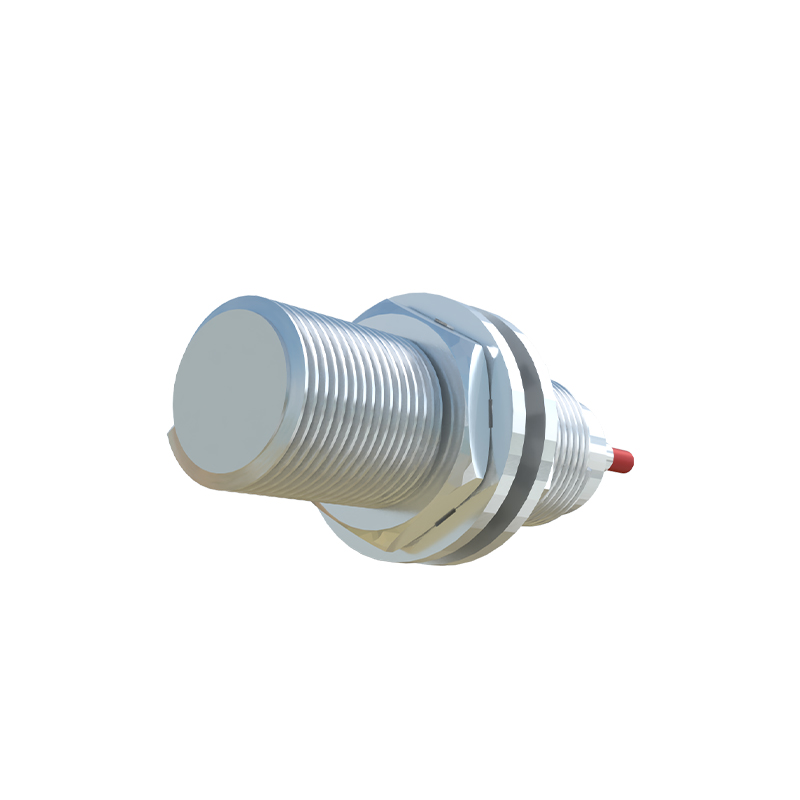
Short proximity sensors, also known as short-range proximity sensors, are essential components in modern automation, robotics, and safety systems. Their pricing is influenced by a complex interplay of factors, making it crucial for buyers to understand the market landscape before making a procurement decision. This guide provides a comprehensive analysis of what determines the cost of these sensors and offers insights into current market trends.
The primary determinant of price is the underlying sensing technology. Inductive proximity sensors, which detect metallic objects, are generally the most cost-effective option for industrial environments. Prices for standard inductive models can start as low as $20 to $50 USD for basic, barrel-style units. Capacitive sensors, capable of detecting both metallic and non-metallic materials like liquids or plastics, typically command a higher price, often ranging from $50 to $150 or more. Ultrasonic and photoelectric (through-beam, retro-reflective, diffuse) short-range sensors represent the higher end of the spectrum, with prices frequently starting above $100 and reaching several hundred dollars, depending on their precision, additional features, and brand.
Beyond core technology, specifications and performance metrics significantly impact cost. Sensing range is a key factor; a sensor with a 2mm range will be less expensive than one with a 10mm range, even if they share the same technology. The required precision, often defined as repeatability, also plays a major role. High-precision sensors used in semiconductor manufacturing or精密 assembly can cost ten times more than standard-grade units. Environmental ratings, particularly Ingress Protection (IP) ratings for dust and water resistance (e.g., IP67, IP69K) and NEMA ratings, add to the manufacturing cost. A sensor rated for harsh washdown environments will be priced higher than one for clean, dry applications.
Form factor and housing material contribute to the final price. Miniature or specialized form factors designed for tight spaces require more complex engineering and manufacturing processes. Stainless steel housings, common in food and beverage or pharmaceutical applications, are more expensive than nickel-plated brass or PBT plastic housings. Additionally, the type of electrical output and connection matters. Sensors with analog outputs (4-20mA, 0-10V) or IO-Link digital communication capabilities are priced higher than simple two-wire or three-wire DC models with PNP/NPN switching outputs.
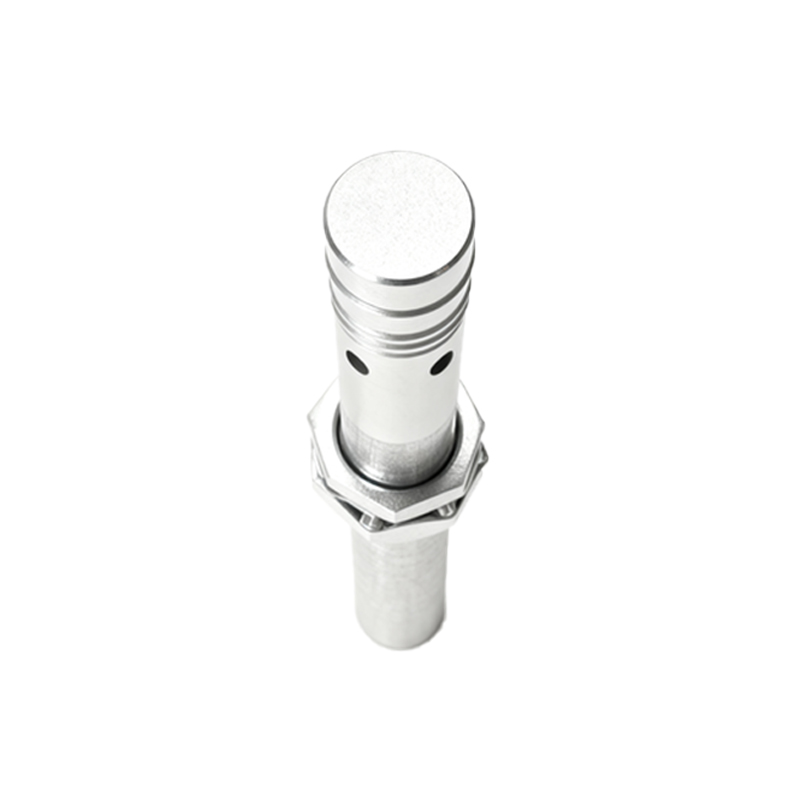
Brand reputation and supply chain considerations are undeniable factors in pricing. Established global brands like Siemens, Omron, Schneider Electric, and Balluff often carry a premium due to their proven reliability, extensive global support networks, and rigorous quality control. Their prices reflect this brand value. Conversely, many competitive manufacturers, particularly from Asia, offer functionally similar sensors at a lower price point, appealing to budget-conscious projects. However, buyers must carefully evaluate long-term reliability and warranty support. The rise of e-commerce platforms and industrial suppliers has increased price transparency, allowing for easier comparison shopping.
Current market trends show a gradual decrease in the price of standard sensor types due to mass production and improved manufacturing techniques. However, this is counterbalanced by a rising demand for smarter, more connected sensors. Units with integrated diagnostics, self-monitoring capabilities, and industrial Ethernet connectivity (Profinet, EtherNet/IP) are becoming more common but come at a higher initial cost. For accurate budgeting, it is recommended to obtain quotes from multiple distributors or manufacturers, clearly specifying the application requirements: target material, required range, environmental conditions, output type, and housing needs. While upfront price is important, considering the total cost of ownership—including installation, maintenance, and potential downtime from sensor failure—is essential for making a truly economical choice.