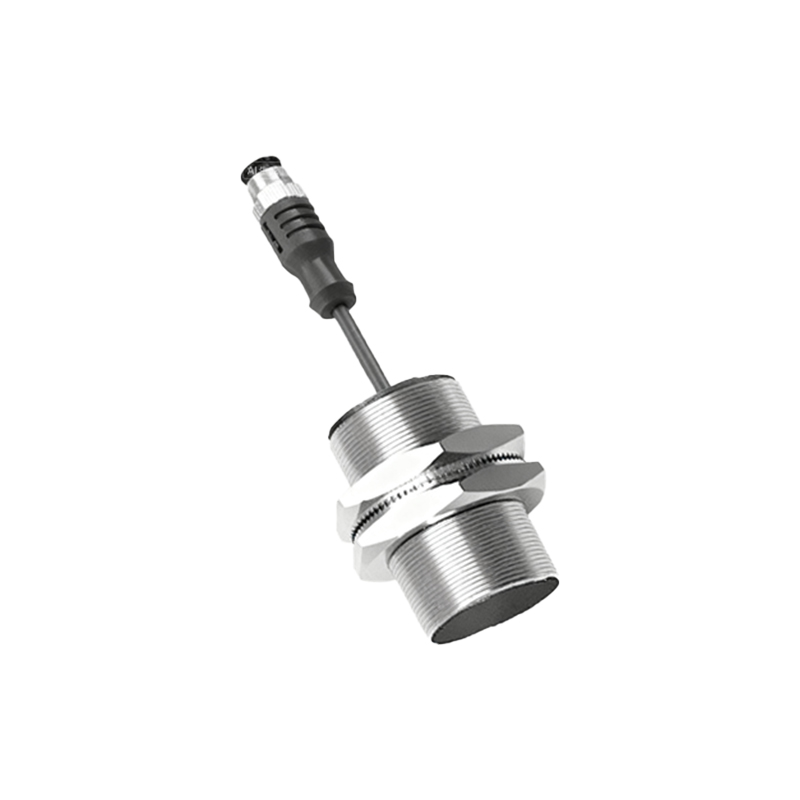
In the rapidly evolving landscape of industrial automation, the role of reliable components cannot be overstated. Among these, square proximity sensors stand out as critical elements for non-contact detection and positioning in countless applications. For distributors and resellers, navigating the market for these sensors requires a deep understanding of both product specifications and the nuanced needs of end-users. This article explores the essential considerations for successful square proximity sensor distribution, focusing on technical parameters, market applications, and value-added services that distinguish leading suppliers.
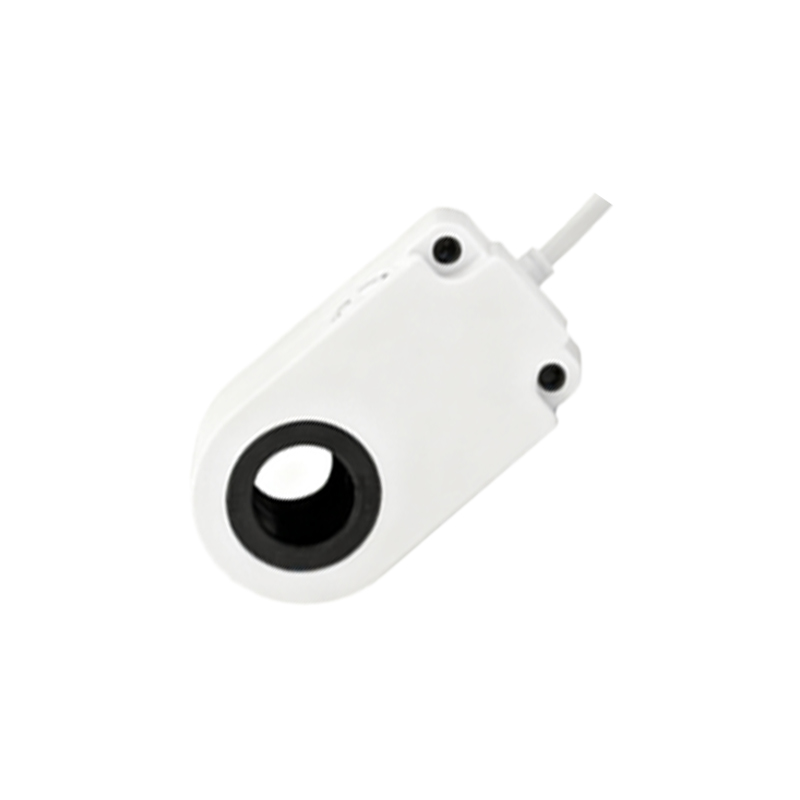
The defining characteristic of a square proximity sensor is its housing shape, which often allows for easier mounting and integration into machinery with straight edges and flat surfaces compared to cylindrical models. These sensors operate primarily on inductive, capacitive, or photoelectric principles. Inductive sensors, the most common type for metallic object detection, generate an electromagnetic field. When a metal target enters this field, it causes a change in oscillation amplitude, which the sensor detects and converts into a switching signal. Distributors must be proficient in explaining key specifications such as sensing distance, which is typically shorter for square inductive sensors than for some cylindrical equivalents due to the coil geometry, but often offers more stable mounting. Other critical specs include output type (PNP/NPN, NO/NC), supply voltage range, switching frequency, and environmental ratings like IP67 for protection against dust and temporary immersion.
The application spectrum for square proximity sensors is vast. In automotive manufacturing, they are indispensable for robotic arm positioning, part presence verification on conveyor lines, and end-of-arm tooling. Packaging machinery utilizes them to detect product levels, count items, and confirm case sealing. Within material handling and logistics, these sensors ensure pallet positioning and guide automated guided vehicles (AGVs). A successful distributor does not merely sell a sensor; they provide a solution. This involves understanding the client's specific environment—is there exposure to cutting fluids, extreme temperatures, or heavy vibration? Recommending a sensor with the appropriate housing material (often nickel-plated brass or stainless steel), temperature rating, and resistance to electrical noise is a fundamental value-add.
Beyond product knowledge, inventory management is a cornerstone of effective distribution. Manufacturers and end-users rely on distributors to maintain stock of popular models with varying sensing ranges (e.g., 2mm, 5mm, 8mm, 10mm) and output configurations. The ability to source and supply specialized variants, such as weld-field immune models for robotic welding cells or analog output sensors for distance measurement, adds significant competitive advantage. Furthermore, the trend towards IO-Link communication is transforming the sensor market. Square proximity sensors with IO-Link capability provide not just a simple on/off signal but a wealth of diagnostic data—like operating hours, temperature warnings, and signal strength—enabling predictive maintenance and Industry 4.0 connectivity. Distributors who can articulate the long-term cost savings and operational intelligence offered by smart sensors position themselves as strategic partners.

Technical support is another critical differentiator. This includes assisting with sensor selection, providing wiring diagrams, and troubleshooting installation issues. The ability to offer complementary products, such as sensor cables, connectors, and mounting brackets, creates a one-stop-shop experience for customers. In today's global market, logistical reliability is equally important. Consistent lead times, efficient order processing, and reliable shipping channels build trust and foster long-term business relationships.
Finally, a forward-thinking distributor aligns with reputable manufacturers known for quality, consistency, and innovation. Partnering with brands that invest in research and development ensures access to the latest advancements, such as sensors with extended ranges, reduced cross-talk, and enhanced energy efficiency. Providing comprehensive documentation, certification files (like CE, UL), and software tools for configuration further streamlines the integration process for the end customer.
In conclusion, thriving in square proximity sensor distribution is not a passive endeavor. It demands technical expertise, strategic inventory planning, robust support services, and strong manufacturer partnerships. By focusing on these pillars, distributors move beyond being simple suppliers to becoming essential enablers of efficiency, safety, and productivity in modern industrial automation. The demand for precise, reliable, and intelligent sensing solutions will only grow, and distributors equipped with deep knowledge and a customer-centric approach are poised to lead the market.