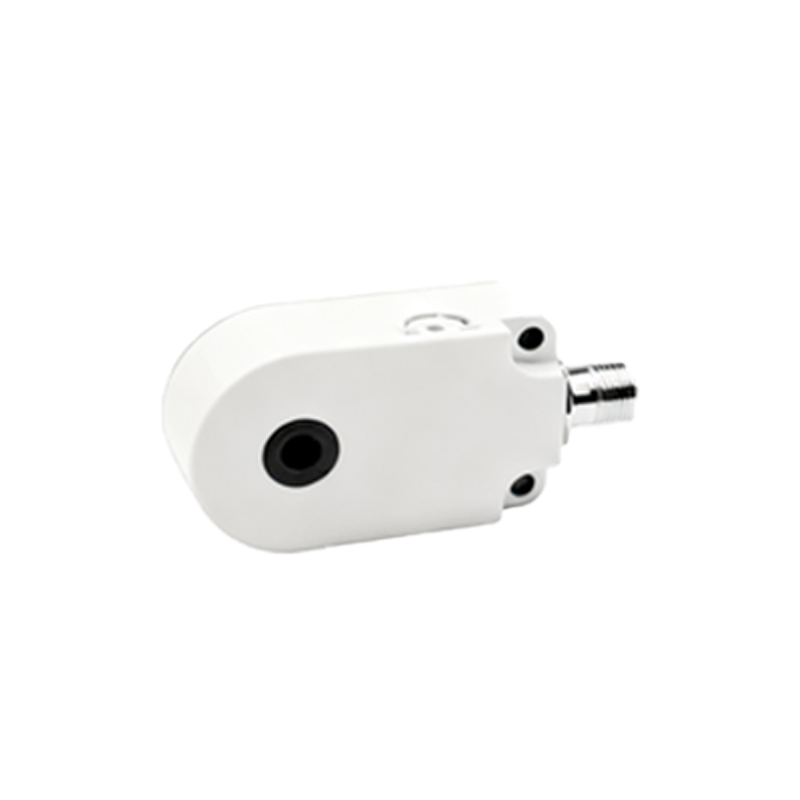
In the demanding world of steel production and metallurgy, where extreme temperatures, heavy mechanical forces, and pervasive contaminants are the norm, the reliability of every component is paramount. Among the unsung heroes of modern, automated metallurgical plants are proximity sensors. These non-contact detection devices are critical for process control, equipment protection, and operational safety, functioning silently in environments where human monitoring is impossible or hazardous.
Proximity sensors operate on various principles, including inductive, capacitive, and ultrasonic technologies. In metallurgical applications, inductive sensors are predominantly used for detecting metallic objects. They generate an electromagnetic field and react to eddy current losses caused when a ferrous or non-ferrous metal target enters this field. Their key advantage is complete insensitivity to dust, scale, oil, and water—common byproducts in steel mills. For instance, they are indispensable in continuous casting operations for detecting the presence of slabs or blooms, controlling the cutting torches, and monitoring roller table movements with pinpoint accuracy. Capacitive sensors, capable of detecting both metallic and non-metallic materials, find niche applications in level detection of liquids or granular materials like coke or sinter feed.
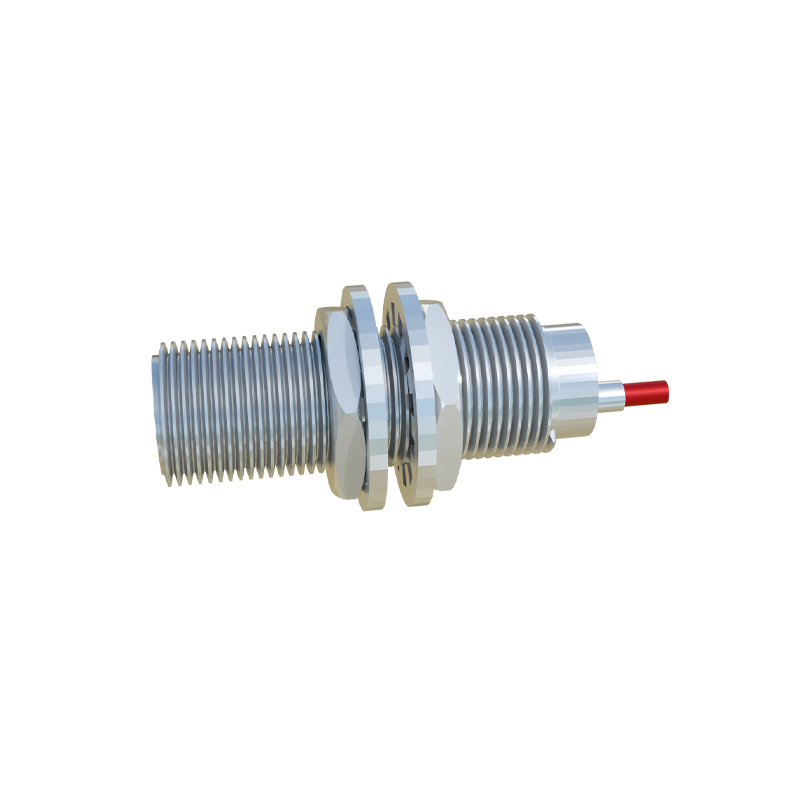
The environmental challenges are severe. Sensors near blast furnaces, ladles, or hot strip mills must withstand ambient temperatures often exceeding the standard industrial ratings. This necessitates specialized high-temperature variants with robust housing, advanced sealing (typically IP67/IP69K ratings), and integrated cooling systems like air or water purges. Furthermore, mechanical robustness is non-negotiable. Heavy-duty sensors are encased in stainless steel or similarly rugged materials to resist physical impacts from moving machinery, shock, and vibration. Electrical noise from massive motors and arc furnaces is another constant threat, requiring sensors with excellent electromagnetic compatibility (EMC) and noise immunity to prevent false triggering.
Applications are vast and mission-critical. On rolling mills, proximity sensors provide precise speed and position feedback for rollers, ensuring consistent gauge and quality. They monitor the position of furnace doors, crane hooks, and transfer cars. In safety systems, they act as interlock devices, ensuring that a manipulator or robot is in a safe position before a process initiates, or confirming that a guard door is securely closed. The advent of Industry 4.0 and IIoT has further elevated their role. Modern sensors with IO-Link capability not only provide a simple switching signal but also transmit diagnostic data—such as operating temperature, signal strength, and remaining lifespan—to control systems. This predictive maintenance data is invaluable, allowing for scheduled downtime rather than catastrophic failure, thus minimizing production losses.
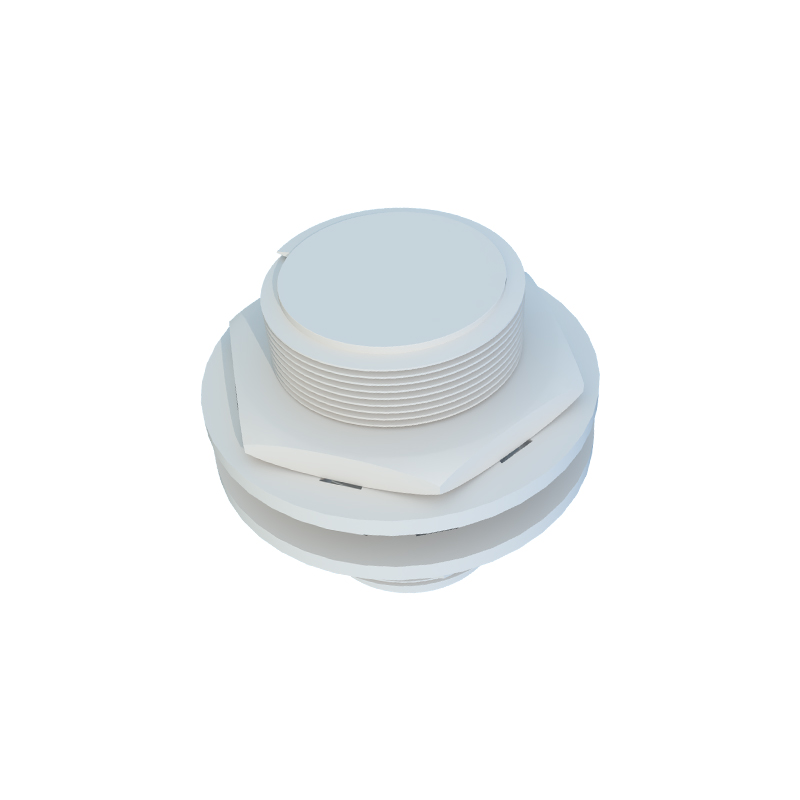
Selecting the right proximity sensor for a metallurgical application requires careful consideration. Key parameters include the sensing distance (which must account for thermal expansion of hot metal), temperature rating, housing material, output type (PNP/NPN, analog, or IO-Link), and the specific type of metal to be detected. For high-temperature zones near furnaces, sensors with ceramic faces and extended temperature ranges up to 200°C or higher are essential. For areas with heavy particulate matter, self-cleaning designs or models with a "teach-in" function to compensate for build-up are advantageous.
In conclusion, proximity sensors are fundamental enablers of automation, precision, and safety in the steel and metallurgy industry. Their evolution from simple switches to intelligent, communicating devices mirrors the industry's own journey towards smarter, more efficient manufacturing. By providing reliable, non-contact detection in the harshest conditions, they form the sensory backbone of modern metallurgical processes, ensuring that massive, powerful machinery operates with the delicate precision required for high-quality output and a safe working environment. Their continued development will be integral to tackling future challenges in productivity and sustainability.