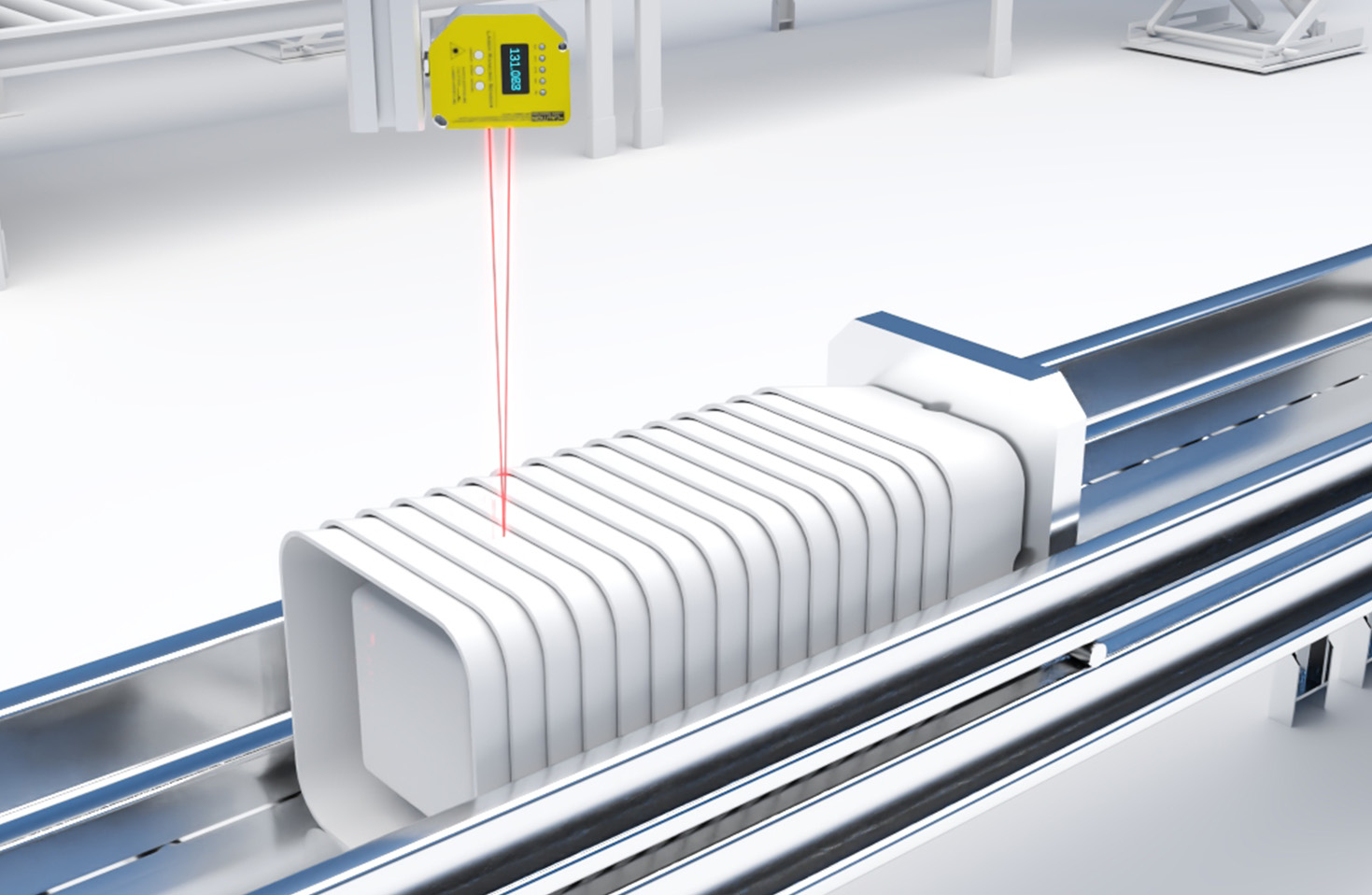
In the realm of industrial automation and precision engineering, small spot laser sensors have emerged as indispensable tools for high-accuracy measurement and detection. These sensors utilize focused laser beams to achieve spot sizes as minute as a few micrometers, enabling precise targeting and measurement of tiny features or objects. The core technology involves the emission of a coherent light source, typically from a laser diode, which is then collimated and focused through advanced optical systems. This results in a highly concentrated beam that minimizes dispersion and maintains intensity over distance, ensuring reliable performance even in challenging environments.
One of the primary advantages of small spot laser sensors is their ability to perform non-contact measurements, which eliminates the risk of damaging delicate surfaces or altering the properties of the target material. This makes them ideal for applications in electronics manufacturing, such as inspecting microchips, measuring solder paste thickness, or aligning components on printed circuit boards. In the automotive industry, these sensors are used for quality control tasks like verifying gap dimensions between panels or detecting minute defects on engine parts. The high resolution and fast response time of small spot laser sensors also facilitate real-time monitoring and feedback in automated production lines, enhancing overall efficiency and reducing waste.
The operational principles of these sensors often rely on triangulation or time-of-flight methods. In triangulation-based sensors, the laser beam is projected onto the target surface, and the reflected light is captured by a detector at a known angle. By analyzing the position of the reflected spot, the sensor calculates the distance to the target with exceptional accuracy. Time-of-flight sensors, on the other hand, measure the time taken for the laser pulse to travel to the target and back, providing distance data based on the speed of light. Both techniques benefit from the small spot size, which reduces interference from surrounding surfaces and improves signal clarity.
Environmental factors such as ambient light, dust, or vibrations can pose challenges, but modern small spot laser sensors are designed with robust features to mitigate these issues. Many models incorporate filters to block unwanted light, protective housings for durability in harsh conditions, and advanced algorithms for noise reduction. Additionally, the integration of smart connectivity options, like Ethernet or IO-Link, allows for seamless data transmission and integration with industrial control systems, enabling predictive maintenance and data-driven decision-making.
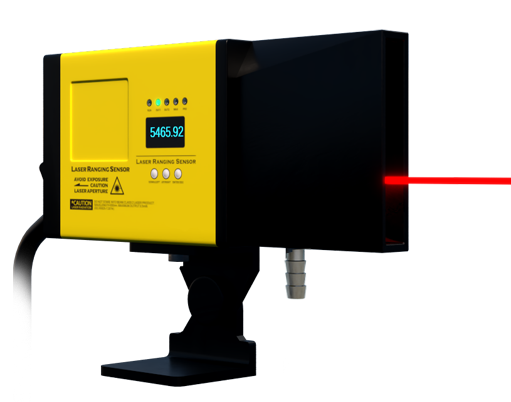
Looking ahead, advancements in laser technology and miniaturization are driving the development of even smaller and more powerful sensors. Innovations in beam shaping and wavelength selection are expanding their applicability to new materials and industries, including pharmaceuticals for pill inspection and aerospace for composite material analysis. As industries continue to prioritize precision and automation, small spot laser sensors will play a crucial role in shaping the future of manufacturing and quality assurance, offering unparalleled accuracy and reliability in measurement tasks.