In modern elevator systems, precise current detection is crucial for ensuring operational safety, efficiency, and predictive maintenance. Proximity sensors, known for their non-contact sensing capabilities, have emerged as a reliable solution for monitoring elevator motor currents and related electrical parameters. This article explores the technical principles, implementation methods, and benefits of using proximity sensors in elevator current detection applications.
Proximity sensors operate by generating an electromagnetic field and detecting changes caused by nearby conductive objects. In elevator current monitoring, these sensors are strategically installed near power cables or busbars carrying motor currents. When alternating current flows through the conductor, it induces eddy currents in the sensor's detection zone. The sensor measures the resultant change in the electromagnetic field, which correlates directly with the current magnitude. This non-invasive approach eliminates the need for direct electrical connections, reducing installation complexity and enhancing system safety.

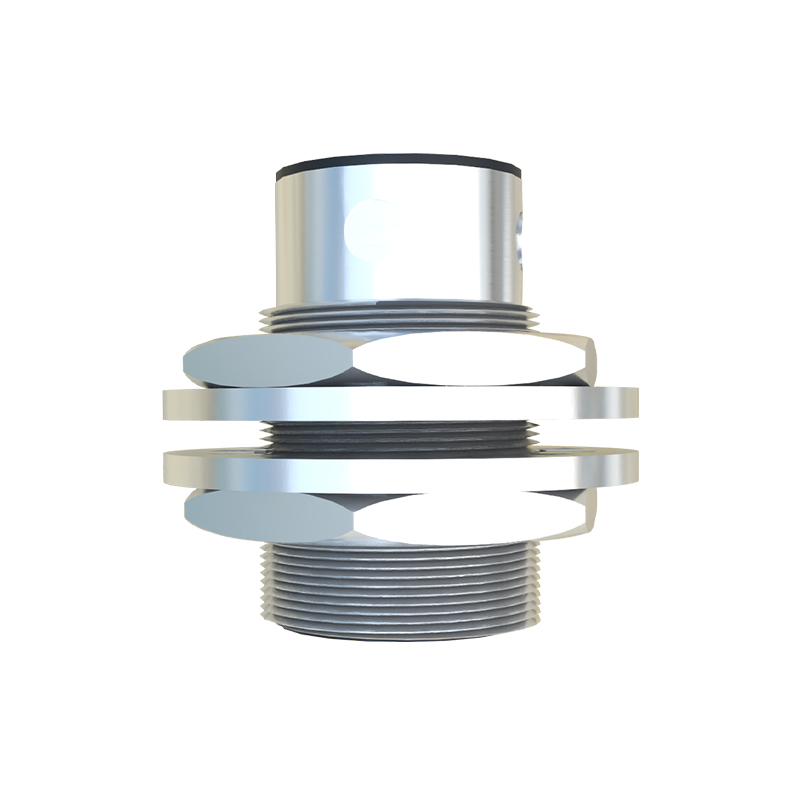
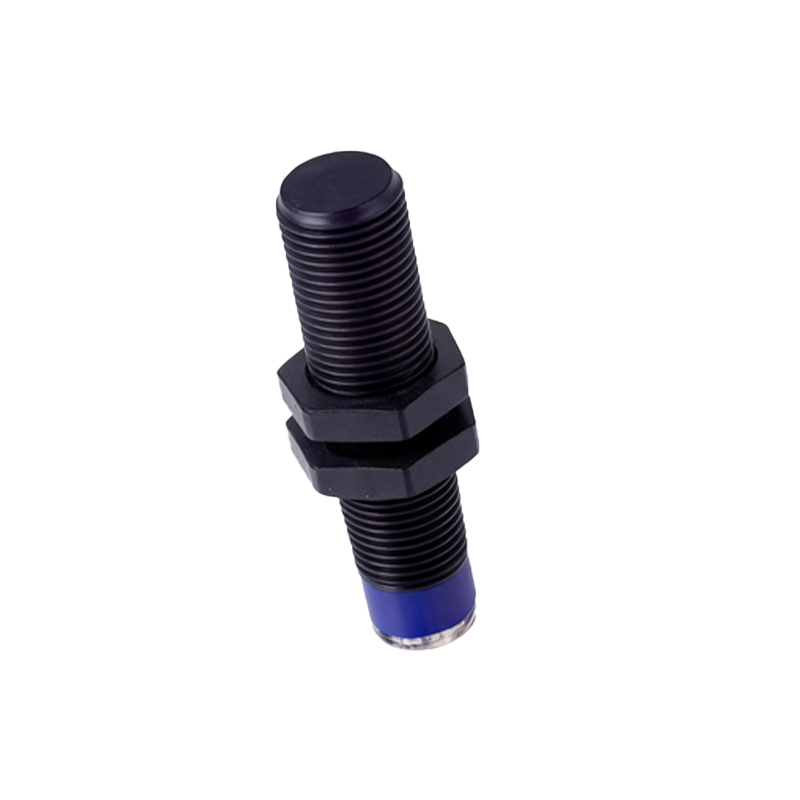
The selection of proximity sensors for elevator applications requires careful consideration of several factors. First, the sensor's detection range must align with the distance to the current-carrying conductor. Inductive proximity sensors are commonly used due to their sensitivity to metallic objects and AC current fields. The sensor's frequency response should match the power line frequency (typically 50Hz or 60Hz) and its harmonics to accurately capture current variations during elevator operation cycles—such as acceleration, constant speed travel, and deceleration.
Installation practices significantly impact measurement accuracy. Sensors should be positioned perpendicular to the conductor to maximize field coupling. Shielding from adjacent electrical noise sources, such as variable frequency drives (VFDs) controlling elevator motors, is essential. Many modern proximity sensors incorporate built-in filtering and signal conditioning to suppress interference from surrounding electromagnetic noise, ensuring stable readings even in electrically noisy elevator machine rooms.
Data acquired from proximity sensors enables multiple advanced functionalities. Real-time current monitoring helps detect abnormal patterns indicative of mechanical issues—for example, increased current draw may signal worn bearings or misaligned guides. During elevator startup, sensors can verify that inrush currents remain within safe limits, protecting motor windings and power electronics. Additionally, continuous current profiling assists in load weighing estimations, optimizing elevator dispatch algorithms by correlating current consumption with passenger load.
Integration with elevator control systems typically involves connecting sensor outputs to programmable logic controllers (PLCs) or dedicated monitoring units. Analog output sensors (4-20mA or 0-10V) provide continuous current level signals, while digital output sensors can trigger alarms when currents exceed predefined thresholds. Some advanced systems employ multiple sensors on different motor phases to enable three-phase current balancing analysis, which can reveal power quality issues or phase failures.
Predictive maintenance represents a key advantage of proximity-based current monitoring. By establishing baseline current profiles for normal operation, deviations can be flagged for investigation before failures occur. For instance, gradual current increases over time might indicate deteriorating motor insulation or growing friction in the hoisting mechanism. This proactive approach reduces unplanned downtime and extends component lifespan.
Compared to traditional current transformers (CTs), proximity sensors offer distinct benefits. Their compact size allows installation in space-constrained areas common in elevator shafts and machine rooms. Since they don't require breaking conductor insulation or handling high-voltage connections, installation is safer and faster. Moreover, proximity sensors are inherently isolated from the power circuit, eliminating risks of open-circuit conditions associated with CTs.
However, challenges exist in proximity sensor applications. Calibration is necessary to account for variations in conductor geometry, sensor positioning, and environmental factors like temperature. Regular validation against reference measurements ensures long-term accuracy. Sensor selection must also consider the specific elevator drive technology; newer systems using permanent magnet synchronous motors (PMSMs) may require sensors with different frequency responses than conventional induction motor systems.
Future developments are likely to enhance proximity sensor capabilities for elevator monitoring. Wireless sensor versions could simplify installation further by eliminating wiring runs. Integration with IoT platforms would enable cloud-based analytics for fleet-wide elevator performance benchmarking. Smart sensors with embedded diagnostics may self-validate accuracy or detect sensor degradation over time.
In conclusion, proximity sensors provide a versatile, non-contact method for elevator current detection. Their ability to monitor current without physical electrical connections makes them particularly suitable for retrofit applications and safety-critical systems. When properly selected and installed, these sensors contribute significantly to elevator reliability, energy efficiency, and maintenance optimization—key concerns for building operators and elevator manufacturers worldwide. As elevator technology evolves toward smarter, more connected systems, proximity sensors will continue playing a vital role in electrical parameter monitoring and system health assessment.