Proximity switch sensors have become an integral component in modern mobile phone design, enabling enhanced user experience and device functionality. As an electrical engineer specializing in sensor technology, I will delve into the engineering principles, types, and applications of these sensors in smartphones.
At its core, a proximity sensor in a mobile phone is a non-contact device that detects the presence or absence of an object within a specific range. Typically, it uses infrared (IR) technology, consisting of an IR LED emitter and a photodiode receiver. When an object, such as a user's ear during a call, approaches the phone's screen, the IR light reflects off the object and is captured by the receiver. The sensor then processes this signal to determine proximity, triggering actions like turning off the display to prevent accidental touches and save battery life. This mechanism relies on the time-of-flight principle or intensity measurement of reflected light, ensuring accuracy and low power consumption—a critical factor in mobile devices.
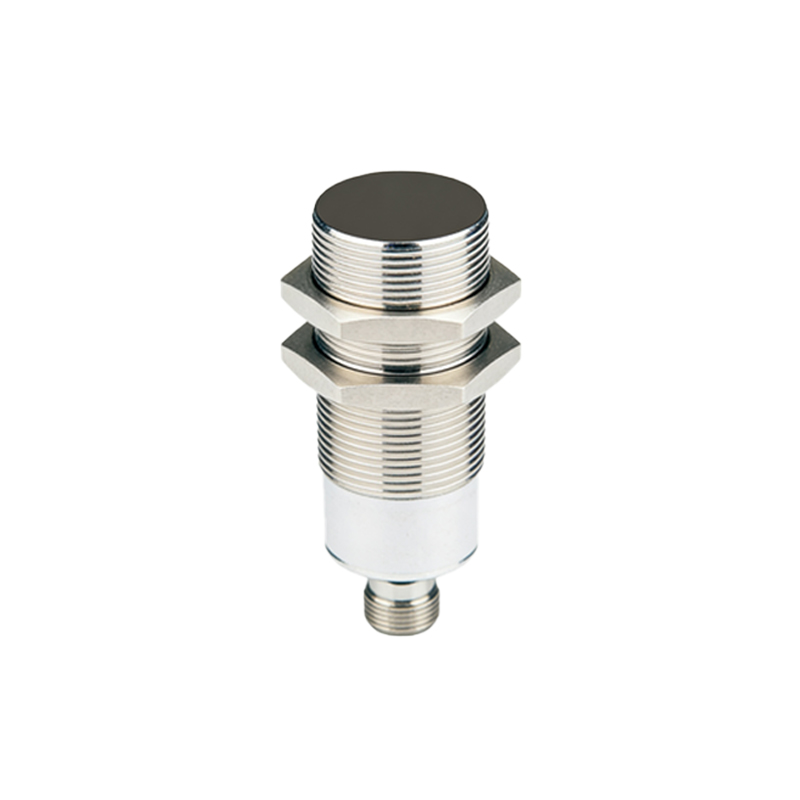
There are several types of proximity sensors used in smartphones, including inductive, capacitive, and optical variants. Inductive sensors, though less common in phones, detect metallic objects via electromagnetic fields and are more prevalent in industrial settings. Capacitive sensors, on the other hand, measure changes in capacitance when an object enters their field, offering high sensitivity for non-metallic objects like human skin. Optical sensors, particularly IR-based ones, dominate mobile applications due to their compact size and reliability. Recent advancements have led to the integration of time-of-flight (ToF) sensors, which use laser pulses for precise distance measurement, enhancing features like facial recognition and augmented reality.
From an engineering perspective, designing proximity sensors for mobile phones involves addressing challenges such as miniaturization, power efficiency, and environmental interference. Engineers must optimize the sensor's range—typically between 1 to 5 centimeters—to avoid false triggers while ensuring rapid response times. Calibration is crucial to account for variations in ambient light and surface reflectivity. In production, sensors undergo rigorous testing using automated systems to verify performance under different conditions, such as varying temperatures and humidity levels. The integration with other components, like ambient light sensors and front-facing cameras, requires careful PCB layout and firmware development to minimize crosstalk and noise.
Applications of proximity sensors extend beyond call management. In smartphones, they enable features like automatic screen wake-up when the device is picked up, gesture control for scrolling or silencing calls, and improved photography by detecting hand movements. With the rise of IoT and smart devices, these sensors contribute to energy-saving modes and enhanced security protocols. For instance, during a call, the sensor not only blanks the screen but also adjusts touch sensitivity to prevent unintended inputs. In gaming and VR applications, proximity data can be used for immersive interactions, showcasing the sensor's versatility.
Looking ahead, the future of proximity sensors in mobile technology is promising. Innovations in materials science, such as graphene-based sensors, could lead to thinner, more responsive designs. Machine learning algorithms may enable predictive proximity detection, adapting to user habits for smarter device management. As 5G and foldable phones evolve, engineers will need to develop sensors that accommodate new form factors and higher data throughput. Collaboration with software developers is key to unlocking potential, such as in health monitoring where proximity sensors might assist in measuring respiratory rates or detecting falls.
In conclusion, proximity switch sensors are a testament to the synergy between electrical engineering and consumer electronics. Their role in mobile phones highlights how small components can drive significant improvements in usability and efficiency. For engineers and enthusiasts, understanding these sensors offers insights into the meticulous design processes that power everyday technology. As we push the boundaries of innovation, proximity sensors will continue to be a focal point in creating smarter, more intuitive mobile experiences.