In the rapidly evolving landscape of industrial automation, resistive proximity sensors have emerged as critical components for precision detection and control. These sensors operate on the principle of detecting changes in electrical resistance when an object enters their sensing field, offering reliable performance in diverse environments. As a seasoned electrical engineer with decades of experience, I have witnessed the transformative advancements in sensor technology, particularly among leading resistive proximity sensor manufacturers who are driving innovation to meet the demands of modern industries.
The core functionality of resistive proximity sensors lies in their ability to measure resistance variations caused by the presence of conductive or semi-conductive materials. Unlike capacitive or inductive sensors, resistive variants excel in applications requiring direct contact or close-range detection, such as in material handling, automotive assembly, and packaging machinery. Manufacturers have refined these sensors to enhance sensitivity, response time, and durability, ensuring they withstand harsh conditions like extreme temperatures, moisture, and mechanical stress. For instance, companies like Siemens, Omron, and Honeywell have developed compact, high-precision models that integrate seamlessly with IoT systems, enabling real-time data monitoring and predictive maintenance.
One of the key trends shaping the industry is the shift toward miniaturization and smart integration. Modern resistive proximity sensors are now embedded with microprocessors and wireless connectivity, allowing for remote calibration and diagnostics. This not only reduces downtime but also optimizes energy efficiency—a crucial factor in sustainable manufacturing. Additionally, manufacturers are focusing on eco-friendly materials and production processes, aligning with global regulations and reducing environmental impact. For example, some firms use recycled plastics and lead-free components without compromising sensor accuracy or lifespan.
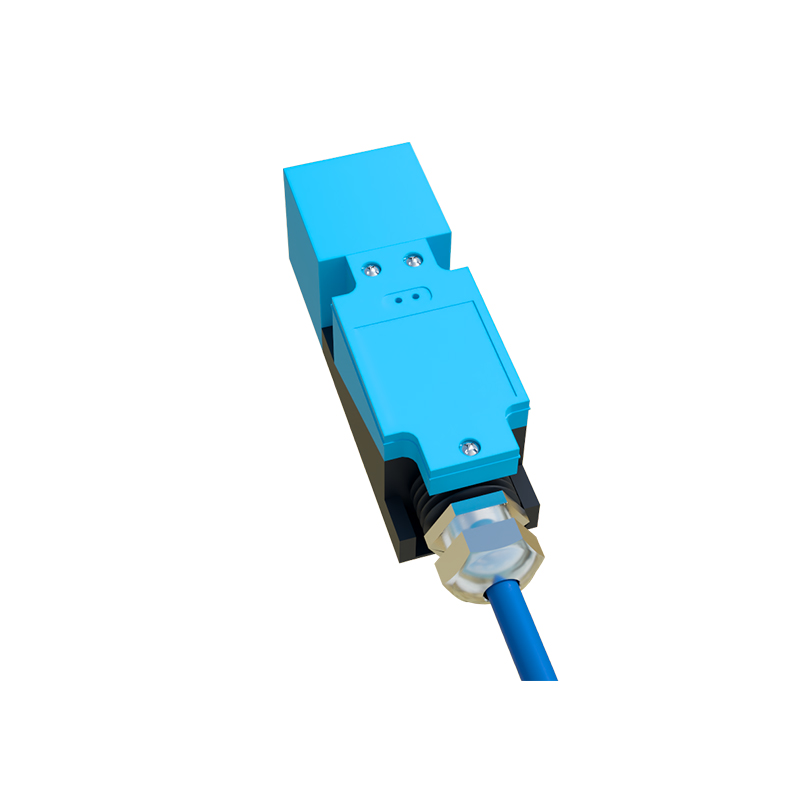
The applications of resistive proximity sensors span across multiple sectors. In the automotive industry, they are indispensable for assembly line robotics, ensuring precise positioning of parts and enhancing safety by detecting obstructions. In consumer electronics, these sensors enable touch-sensitive interfaces and battery management systems. Moreover, the healthcare sector leverages them in medical devices for fluid level detection and equipment automation. As industries embrace Industry 4.0, the demand for customizable sensor solutions has surged, prompting manufacturers to offer tailored products with adjustable sensing ranges and output signals (e.g., analog or digital).
Despite their advantages, challenges persist, such as interference from electromagnetic noise and limitations in non-conductive material detection. To address this, top manufacturers invest in R&D, developing hybrid sensors that combine resistive with other technologies for broader applicability. Quality control is another focal point, with rigorous testing protocols ensuring each sensor meets international standards like IEC 60947-5-2.
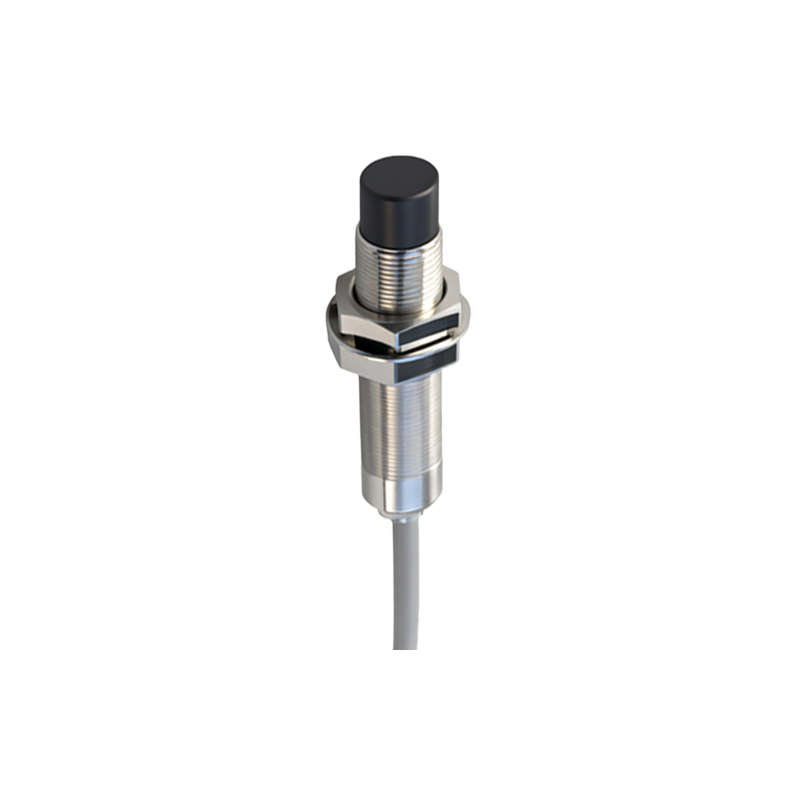
Looking ahead, the future of resistive proximity sensor manufacturing is poised for growth, driven by advancements in AI and machine learning. These technologies will enable sensors to learn from operational data, improving accuracy and adaptability. As an engineer, I recommend that industries partner with reputable manufacturers who prioritize innovation and support, as this collaboration is essential for optimizing automation systems and maintaining competitive edge. In conclusion, resistive proximity sensors remain a cornerstone of industrial efficiency, and their continued evolution will shape the next generation of smart manufacturing.