In modern industrial automation, laser sensors are critical components for precision measurement, object detection, and quality control. Their high accuracy and reliability make them indispensable. However, like all sophisticated electronic devices, they are susceptible to anomalies that trigger alarm states, potentially halting production lines and causing significant downtime. Understanding the nature of these alarms, their root causes, and effective resolution strategies is paramount for maintenance engineers and system integrators.
A laser sensor alarm typically indicates a deviation from normal operating parameters. This can manifest as a fault indicator on the sensor itself, an error code transmitted to the Programmable Logic Controller (PLC), or a dedicated alarm on the Human-Machine Interface (HMI). The first step in addressing any alarm is precise diagnosis. Common alarm categories include:
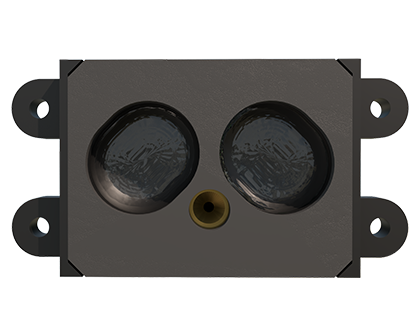
1. Signal Strength Alarms: These indicate issues with the received light intensity. Causes range from misalignment, dirty or contaminated lenses, and incorrect sensing distance, to a degraded laser diode. A weak or absent return signal will trigger this alarm.
2. Overload/Overcurrent Alarms: This suggests an electrical problem within the sensor's circuitry or in the power supply. Voltage spikes, short circuits, or using an incorrect power supply can lead to this fault.
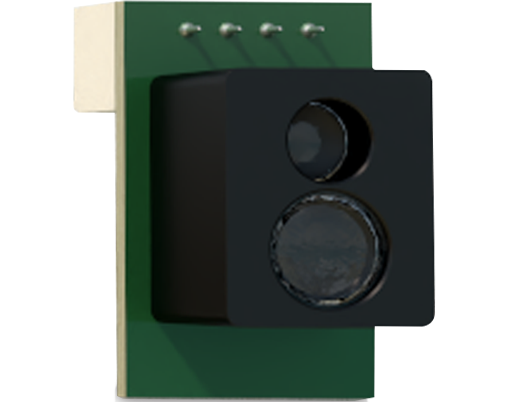
3. Temperature Alarms: Laser sensors have specified operating temperature ranges. Exceeding these limits, often due to ambient heat or poor ventilation, can trigger a shutdown to prevent damage.
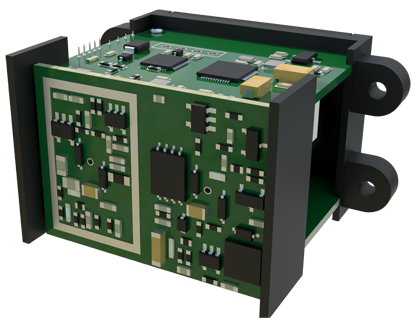
4. Configuration/Communication Alarms: These occur when sensor parameters (e.g., teach-in points, output logic) are incorrectly set or when there is a failure in data exchange with the master controller, often related to wiring or protocol issues.
5. Hardware Failure Alarms: This is a more severe indication of internal component failure, such as a damaged laser emitter, receiver, or main processor.
Effective troubleshooting follows a systematic approach. Begin by consulting the sensor's manual for the specific alarm code definition. Visually inspect the sensor and its environment for obvious issues: cleanliness of the optical window, physical damage, secure cable connections, and proper mounting alignment. Use diagnostic tools like an optical power meter to check laser output or a multimeter to verify supply voltage and output signals. For alignment issues, follow the manufacturer's procedure, often involving precise adjustment until the signal strength indicator reaches the optimal range.
Preventive maintenance is the most cost-effective strategy to minimize laser sensor alarms. Establish a regular schedule that includes:
* Cleaning: Use appropriate, lint-free cloths and approved cleaners to keep lenses and housings free of dust, oil, and debris.
* Environmental Control: Ensure sensors are installed within their specified temperature, humidity, and vibration ratings. Use protective housings in harsh environments.
* Electrical Integrity: Verify stable power sources and protect lines with surge suppressors if necessary. Regularly check cable integrity for wear or damage.
* Parameter Backup: Save correct configuration parameters. After any maintenance, verify settings have not been inadvertently changed.
* Firmware Updates: Periodically check with the manufacturer for firmware updates that may improve stability or diagnostic capabilities.
Ignoring recurring alarms or implementing temporary fixes can lead to catastrophic failure and unplanned downtime. A documented history of alarms and interventions is invaluable for identifying chronic issues or predicting end-of-life for a sensor. In complex systems, integrating sensor health data into a broader Predictive Maintenance (PdM) or Industrial Internet of Things (IIoT) platform can provide early warnings and transform reactive alarm response into proactive asset management.
Ultimately, managing laser sensor alarms is not merely about resetting a fault. It requires a blend of technical knowledge, methodical troubleshooting, and a commitment to preventive care. By understanding the language of these alarms, engineers can ensure that these precise optical devices continue to deliver the reliability and accuracy that modern automated processes demand, safeguarding productivity and product quality.