Reed switch proximity sensors represent a fundamental yet highly reliable technology in the realm of industrial automation and electrical engineering. These sensors operate on a simple yet effective principle: a hermetically sealed glass tube containing two ferromagnetic reeds, which act as electrical contacts. When an external magnetic field from a permanent magnet or an electromagnet approaches, the reeds are magnetized, attracting each other and closing the circuit. Upon removal of the magnetic field, the reeds' inherent spring force causes them to separate, opening the circuit. This binary, contact-based operation makes them a form of magnetically actuated proximity sensor.
The core advantages of reed switch sensors lie in their robustness and simplicity. Being sealed within an inert gas-filled glass envelope, the contacts are protected from dust, moisture, and oxidation—common adversaries in harsh industrial environments like manufacturing floors, automotive assembly lines, and process control systems. This encapsulation grants them a remarkably long operational life, often reaching billions of cycles when used within their specified electrical ratings. Their design requires no external power to operate the switching mechanism itself; they are purely passive devices activated by a magnetic field. This makes them exceptionally energy-efficient for control circuits. Furthermore, they offer a fast response time and can switch low-power signals with minimal contact resistance, making them ideal for interfacing with programmable logic controllers (PLCs) and digital input modules.
Typical applications are diverse. They are extensively used for position sensing, such as detecting whether a door, valve, or machine guard is open or closed. In fluid power systems, they are integrated into hydraulic or pneumatic cylinders to indicate piston rod position. They also serve as foundational components in reed relays, liquid level sensors in tanks (using a float-mounted magnet), and rotational speed sensing in conjunction with a rotating magnet. Their ability to function in explosive atmospheres, where sparking from powered sensors could be hazardous, is another significant benefit, provided the associated control circuit is appropriately rated.
However, engineers must carefully consider their limitations. The glass enclosure, while protective, can be fragile and susceptible to mechanical shock or vibration if not properly housed. The switching current and voltage (typically low, e.g., 0.5A, 200V DC max) are limited compared to electromechanical relays or solid-state switches. Contact welding or chatter can occur under high inrush currents or severe vibration. Additionally, the sensing distance, or "operate distance," is relatively short, usually a few millimeters to a couple of centimeters, and is precisely defined by the magnet's strength and sensor sensitivity. The release distance, where the contacts open as the magnet retreats, is often smaller than the operate distance, resulting in a hysteresis effect that must be accounted for in precise positioning applications.
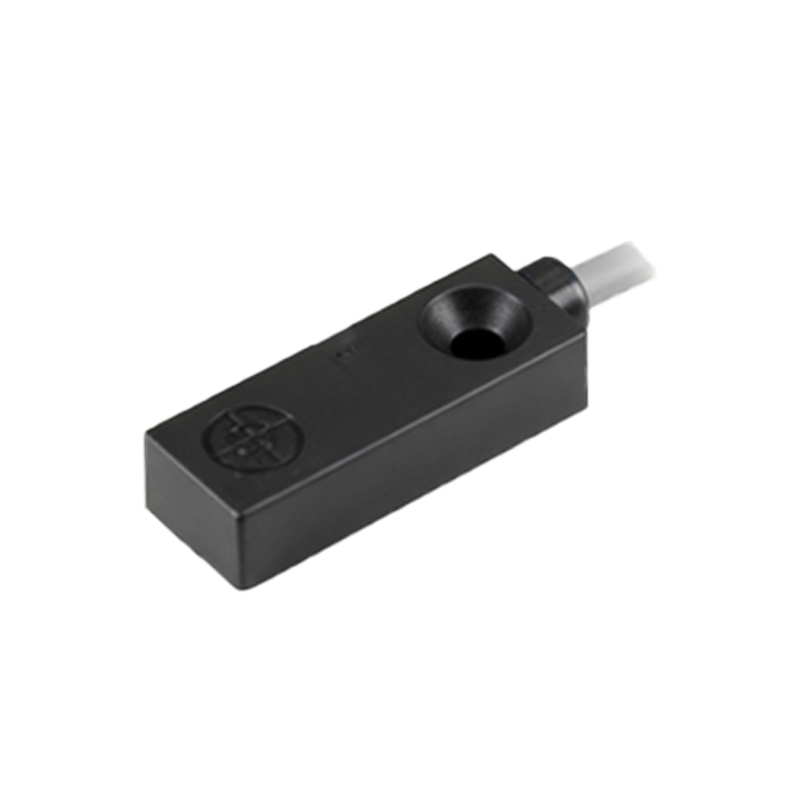
Selection and installation require attention to detail. Key parameters include the sensor's electrical rating (switching voltage, current, and power), the type (normally open, normally closed, or changeover), the operating temperature range, and the required switching frequency. The magnet's strength, size, and orientation relative to the sensor are critical for reliable operation. For instance, a "biasing" magnet configuration might be used to adjust the operate point. Proper mounting, often in non-ferromagnetic materials to avoid shielding the magnetic field, is essential. For high-reliability applications, gold-plated contacts are available to ensure stable performance with low-voltage, low-current "dry circuit" signals.
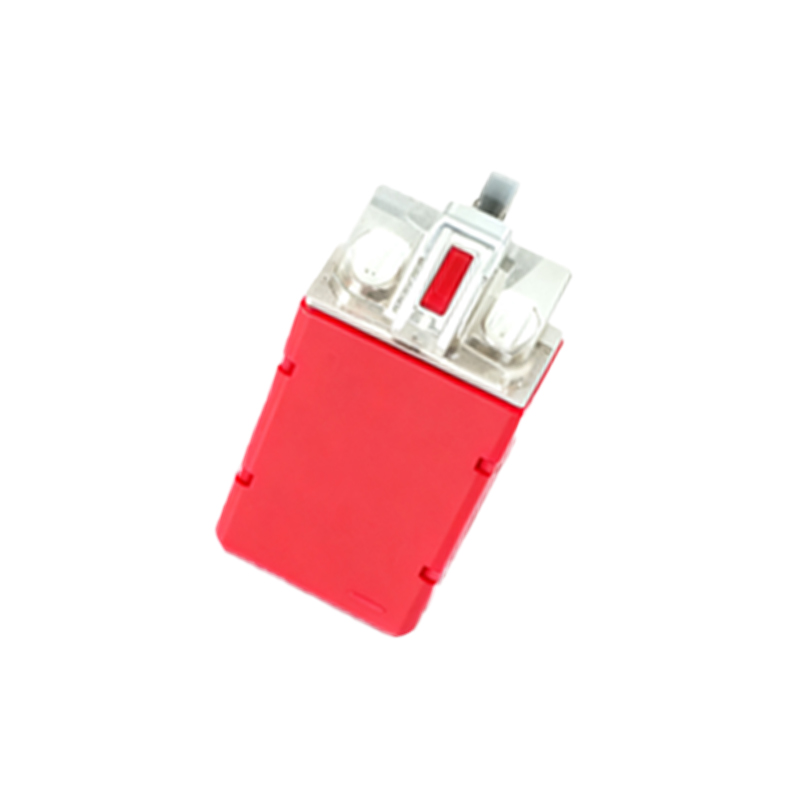
In modern systems, reed switches often interface with more complex electronics. While the sensor itself is passive, it is frequently part of a larger assembly that includes signal conditioning, amplification, or conversion circuits to provide a clean, standardized output (e.g., PNP/NPN, NAMUR, or IO-Link) compatible with industrial controllers. Despite the proliferation of solid-state alternatives like Hall effect sensors and inductive proximity sensors, the reed switch maintains its niche due to its galvanic isolation, zero power consumption for actuation, and excellent signal integrity for low-energy circuits.
In conclusion, the reed switch proximity sensor remains a vital, cost-effective solution for countless binary sensing tasks. Its enduring presence in industrial design is a testament to its reliability, simplicity, and effectiveness in converting a magnetic presence into a definitive electrical signal. A thorough understanding of its operating principles, advantages, and constraints allows electrical engineers and system designers to deploy it effectively, ensuring robust and maintenance-free operation in demanding automation environments.