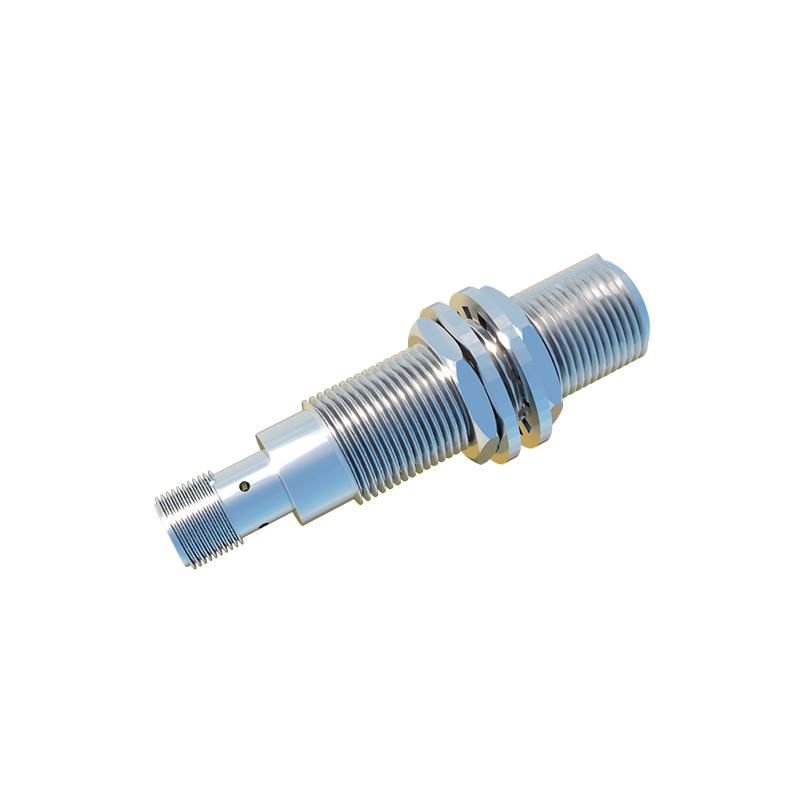
Proximity sensors have become indispensable components in today's automated and smart systems, enabling non-contact detection of objects across diverse industrial and commercial environments. These sensors operate by emitting electromagnetic fields or beams of radiation to identify the presence, absence, or position of nearby objects without physical contact. The primary types include inductive, capacitive, ultrasonic, and photoelectric sensors, each suited to specific materials and conditions.
In manufacturing and automation, inductive proximity sensors are widely used for metal detection in machinery such as CNC machines, robotic arms, and conveyor systems. They ensure precise positioning of metal parts, monitor equipment status, and enhance safety by detecting unauthorized access to hazardous zones. For instance, in automotive assembly lines, these sensors verify the placement of engine components or control robotic welding arms, improving efficiency and reducing errors.
Capacitive proximity sensors excel in detecting non-metallic materials like plastics, liquids, or granular substances. They are common in packaging industries for monitoring fill levels in containers or detecting transparent films on production lines. In food and beverage processing, these sensors help manage liquid levels in tanks or identify product presence on conveyors, ensuring hygiene by avoiding contamination from physical contact.
Ultrasonic proximity sensors utilize sound waves to measure distance and detect objects, even in challenging environments with dust, moisture, or varying lighting. They are ideal for applications like material handling in warehouses, where they assist in pallet stacking or inventory management by measuring object heights. In agriculture, ultrasonic sensors monitor grain levels in silos, optimizing storage and reducing waste.
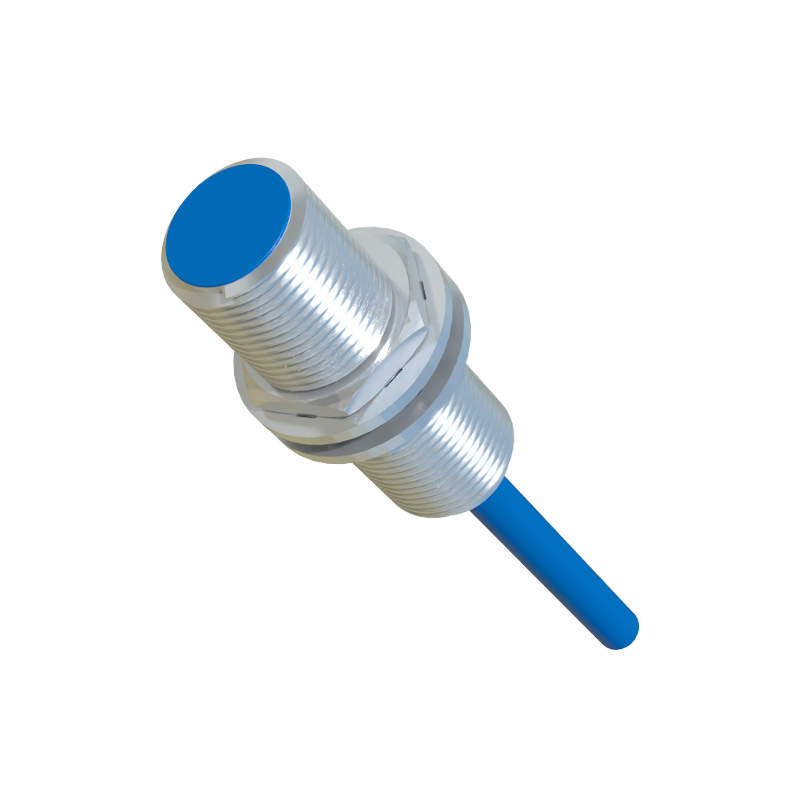
Photoelectric sensors, using light beams, offer long-range detection and high precision. They are prevalent in logistics for sorting packages on conveyor belts or in security systems for intrusion detection. In the electronics industry, these sensors align circuit boards during assembly, ensuring accuracy in micro-component placement.
Beyond traditional sectors, proximity sensors drive innovation in smart infrastructure. In building automation, they enable touchless faucets, elevator call buttons, and energy-saving lighting systems that activate upon detecting human presence. The automotive industry integrates them into advanced driver-assistance systems (ADAS) for parking assistance and collision avoidance, while consumer electronics employ them in smartphones for screen dimming during calls.
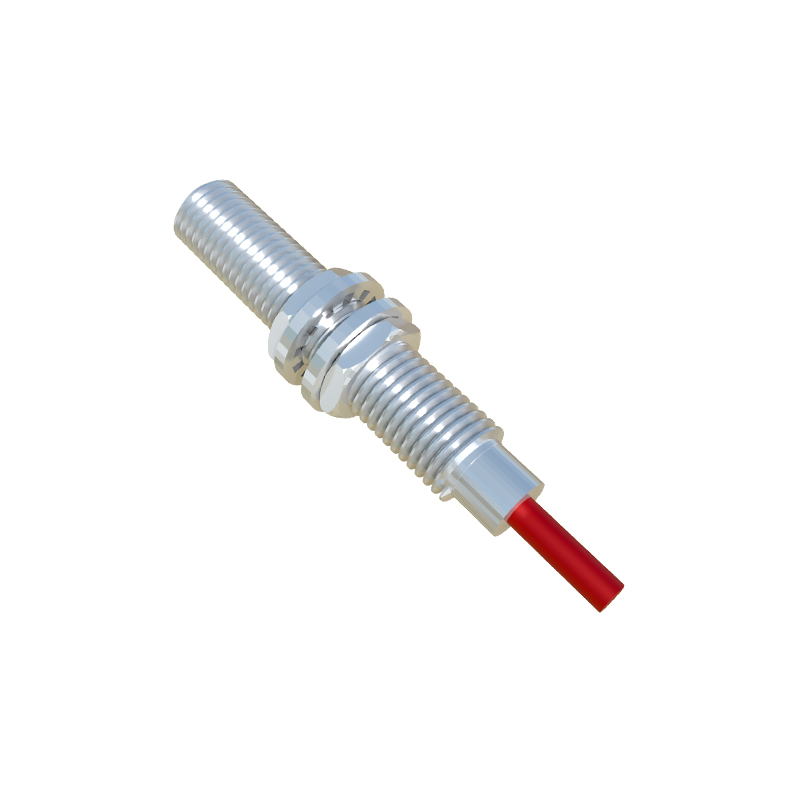
Emerging trends include the integration of proximity sensors with IoT platforms for real-time data analytics and predictive maintenance. In smart cities, they contribute to traffic management by monitoring vehicle flow at intersections. Despite their advantages, challenges like environmental interference and calibration needs persist, driving research into more robust and miniaturized designs. As industries evolve toward greater automation and connectivity, proximity sensors will continue to expand their role, enhancing efficiency, safety, and sustainability across global applications.