In the rapidly evolving landscape of industrial automation and smart technology, a recurring question among engineers and system designers is whether traditional components like proximity sensors will face obsolescence. As a seasoned electrical engineer with decades of experience in sensor applications, I argue that proximity sensors are not on the verge of extinction but are instead undergoing a significant transformation. Their fundamental principles—detecting the presence or absence of an object without physical contact—remain indispensable across countless industries, from manufacturing and automotive to packaging and robotics.
Proximity sensors, including inductive, capacitive, and photoelectric types, have established themselves as workhorses in industrial environments. Their reliability, durability, and simplicity are unmatched in many scenarios. For instance, inductive proximity sensors excel in harsh conditions with metal targets, offering high repeatability and resistance to dust, oil, and vibration. These characteristics make them ideal for assembly lines, machine tools, and material handling systems where consistent performance is critical. Despite advancements in vision systems or LiDAR, the cost-effectiveness and robustness of traditional proximity sensors ensure their continued relevance.

However, the rise of the Industrial Internet of Things (IIoT) and Industry 4.0 is reshaping sensor requirements. Modern systems demand not only detection but also data connectivity, diagnostics, and integration with higher-level control networks. This is where proximity sensors are evolving. Smart sensors with embedded IO-Link, Ethernet/IP, or PROFINET capabilities are emerging, enabling real-time data transmission on parameters like temperature, switch cycles, and signal strength. Such features facilitate predictive maintenance, reduce downtime, and enhance overall equipment effectiveness (OEE). Thus, rather than being replaced, proximity sensors are becoming more intelligent and interconnected.
Another factor to consider is the growing adoption of alternative technologies. Vision systems, ultrasonic sensors, and time-of-flight (ToF) sensors offer capabilities like shape recognition, distance measurement, and color detection, which traditional proximity sensors cannot provide. In applications requiring complex object identification or precise positioning, these alternatives may be preferred. Yet, for simple presence detection in space-constrained or high-speed environments, proximity sensors often outperform in terms of speed, size, and cost. The key is selecting the right tool for the task—proximity sensors will remain the optimal choice for many fundamental detection needs.
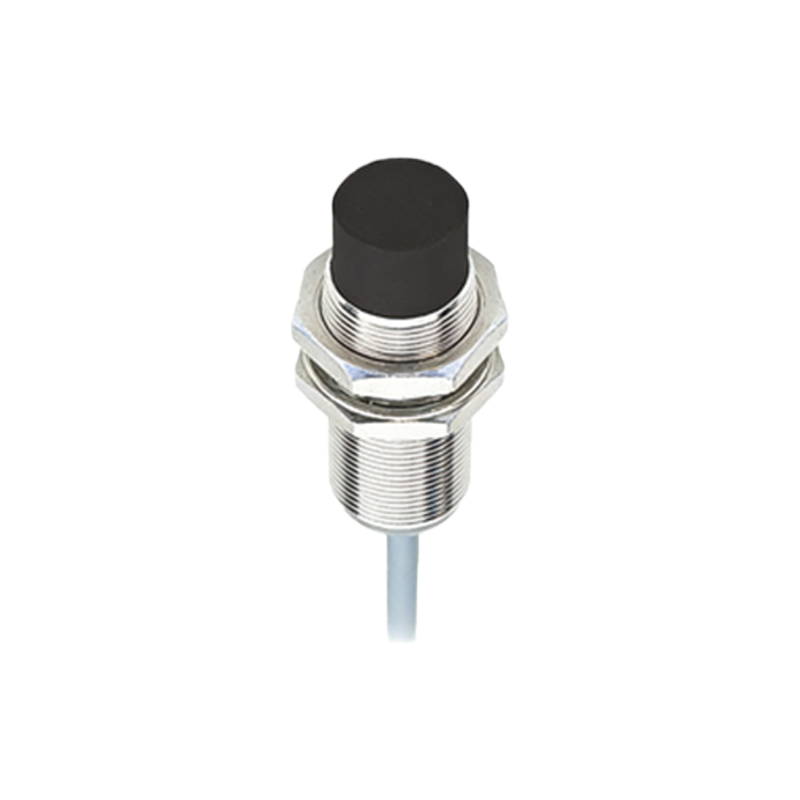
Material innovations and miniaturization are also driving proximity sensor development. New housing materials enhance resistance to chemicals and extreme temperatures, while compact designs allow installation in tight spaces. Additionally, energy-efficient models contribute to sustainable operations. These improvements extend the lifecycle of proximity sensors, ensuring they meet modern environmental and design standards.
In conclusion, proximity sensors are not becoming obsolete; they are adapting. Their core functionality remains vital, and through integration with digital networks and smart features, they are securing a place in the future of automation. Engineers should view them as evolving components that complement rather than compete with emerging technologies. As long as there is a need for reliable, non-contact detection in industrial settings, proximity sensors will continue to be a cornerstone of electrical and control systems. The future lies in hybrid systems where traditional sensors work alongside advanced technologies to create more efficient, responsive, and intelligent automation solutions.