In today's fast-paced industrial and technological landscape, off-the-shelf proximity sensors often fall short of addressing specific operational challenges. A custom proximity sensor solution is not merely a luxury but a strategic necessity for businesses aiming to optimize efficiency, enhance safety, and gain a competitive edge. Unlike standard models with fixed parameters, a tailored approach allows for the precise alignment of sensor capabilities with unique application demands, from extreme environmental conditions to intricate detection patterns.
The journey toward a successful custom solution begins with a comprehensive needs analysis. This critical phase involves deep collaboration between the client's engineering team and sensor specialists. Key factors under consideration include the target material (ferrous, non-ferrous, or specific alloys), the required sensing range, environmental exposures such as temperature extremes, moisture, chemicals, or vibration, and the necessary output signal type (e.g., analog, digital IO-Link, or PWM). Furthermore, physical constraints like size, shape, and mounting options are meticulously evaluated. This detailed profiling ensures the foundational design is built on a clear understanding of the operational reality.
Following the analysis, the design and prototyping phase commences. Engineers select the most suitable sensing technology—be it inductive, capacitive, ultrasonic, or optical—based on the application's specific needs. Inductive sensors are typically customized for precise metal detection, while capacitive variants can be tailored for levels of liquids or non-metallic materials. The core electronic circuitry is then adapted. This may involve calibrating sensitivity thresholds, adjusting hysteresis, or integrating specialized filtering to ignore background interference. Enclosure design is equally vital; materials like stainless steel, PBT plastic, or specialized coatings are chosen to ensure durability against corrosion, impact, or high-pressure washdowns. A functional prototype is developed and subjected to rigorous in-house testing that simulates real-world conditions, validating performance before client evaluation.
The true test occurs during the on-site validation and iteration stage. Prototypes are installed in the actual operating environment to assess performance under real load, interference, and workflow conditions. This stage often reveals nuanced challenges not apparent in lab settings. Feedback on installation ease, long-term stability, and integration with existing control systems (PLCs, robotics) is collected. This collaborative feedback loop is essential for refining the design. Adjustments may be made to the sensing face geometry, cable length and type, or communication protocol to ensure seamless operation. This iterative process continues until the sensor performs flawlessly within its intended ecosystem.
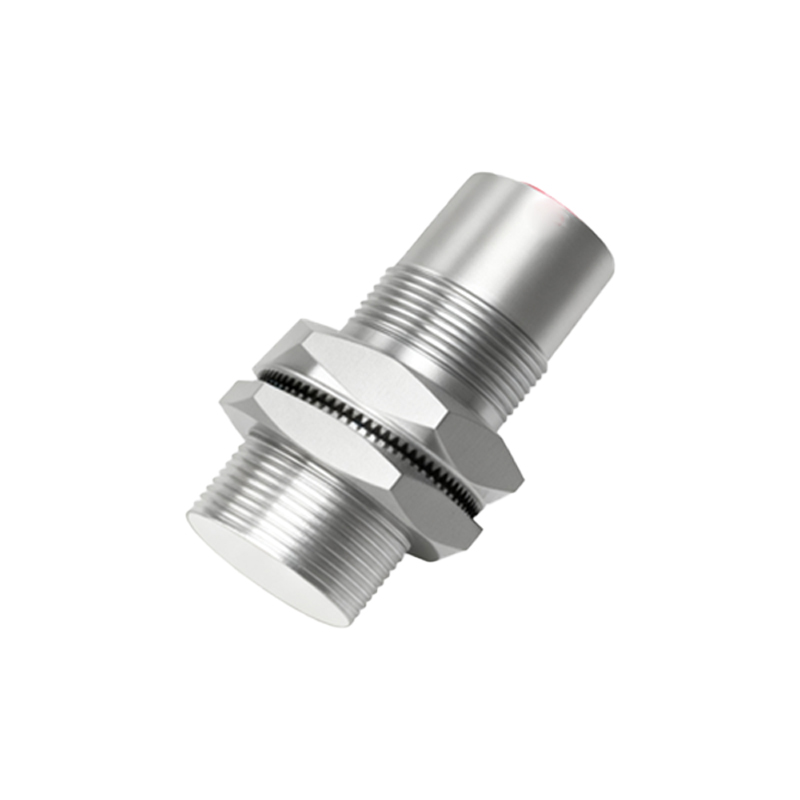
The final phase focuses on scalable manufacturing and long-term support. Once the design is finalized and approved, manufacturing processes are set up to ensure consistent, high-quality production at the required volume. A reputable provider will maintain a inventory of key components to support future orders and ensure long-term supply chain stability. Comprehensive documentation, including detailed datasheets, wiring diagrams, and installation guides, is provided. Furthermore, a commitment to ongoing technical support is a hallmark of a true partnership, ensuring the custom sensor continues to deliver value throughout its lifecycle.
Investing in a custom proximity sensor solution translates into tangible returns. It leads to reduced downtime by eliminating false triggers and sensor failures, increases production line speed through optimized detection cycles, and enhances product quality with precise, repeatable measurements. By moving beyond the limitations of standard catalog items, businesses can solve unique problems, protect their critical machinery, and build more intelligent, responsive, and efficient automated systems. The path to innovation often requires tools built for the purpose, and a tailored sensor is a fundamental component in that journey.