In an era defined by precision, speed, and automation, a silent yet powerful technology operates behind the scenes, shaping industries and redefining possibilities. Laser data sensors, the unsung heroes of the digital age, are at the forefront of this transformation. Far from being a single, monolithic device, the term encompasses a diverse family of systems that use concentrated light to measure, map, and monitor the physical world with astonishing accuracy. From the factory floor to the open road, from construction sites to consumer electronics, these sensors provide the critical data that drives innovation and efficiency.
At its core, a laser data sensor operates on the principle of emitting a focused beam of light and analyzing the reflected signal. The most common method, time-of-flight (ToF), calculates distance by measuring the time it takes for a laser pulse to travel to a target and back. With the speed of light as a constant, these measurements are incredibly fast and precise. Another prevalent technique, laser triangulation, uses a known angle between the emitter and a detector to calculate distance based on the position of the reflected laser spot. This method excels at high-resolution measurements of surface profiles. For creating detailed 3D maps, LiDAR (Light Detection and Ranging) systems deploy arrays of laser beams, scanning environments to generate precise point clouds used in applications like autonomous vehicles and topographic surveying.
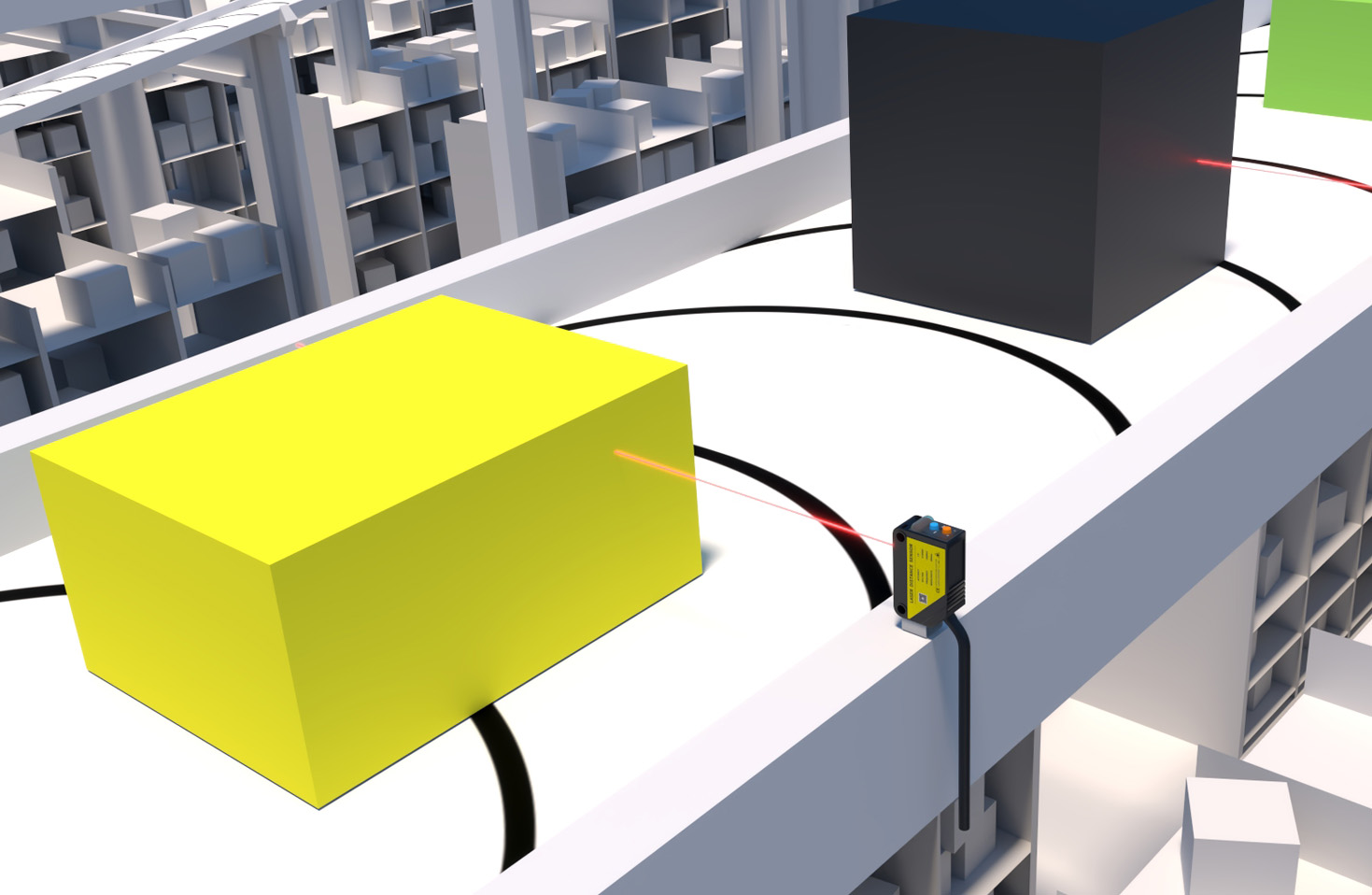
The industrial sector is perhaps the most mature domain for laser sensor application. Here, they are indispensable for quality control, performing non-contact measurements of dimensions, thickness, and surface defects on production lines at speeds impossible for human inspectors. Robots equipped with laser scanners navigate dynamic environments, precisely locating parts for assembly or guiding welding and painting tools along complex paths. In logistics, laser sensors rapidly dimension packages, optimize pallet loading, and guide automated guided vehicles (AGVs) through warehouses, streamlining the entire supply chain.
Beyond the factory walls, laser data sensors are revolutionizing mobility. Automotive LiDAR is a cornerstone of advanced driver-assistance systems (ADAS) and the pursuit of full autonomy. By creating a real-time, 360-degree model of the vehicle's surroundings, even in low-light conditions, LiDAR helps cars detect pedestrians, cyclists, and other obstacles with high reliability. Similarly, in aerospace, laser altimeters provide crucial terrain data for aircraft navigation and landing systems.
The influence of this technology extends into our daily lives and the infrastructure around us. Modern smartphones incorporate miniature laser autofocus sensors that lock onto subjects instantaneously, enabling sharper photos. In construction, laser scanners capture as-built conditions of structures, allowing for accurate renovations and clash detection in Building Information Modeling (BIM). Environmental scientists use airborne LiDAR to map forest canopies, monitor coastal erosion, and model flood plains with unprecedented detail. Even in agriculture, laser sensors mounted on tractors help monitor crop health and optimize harvesting.
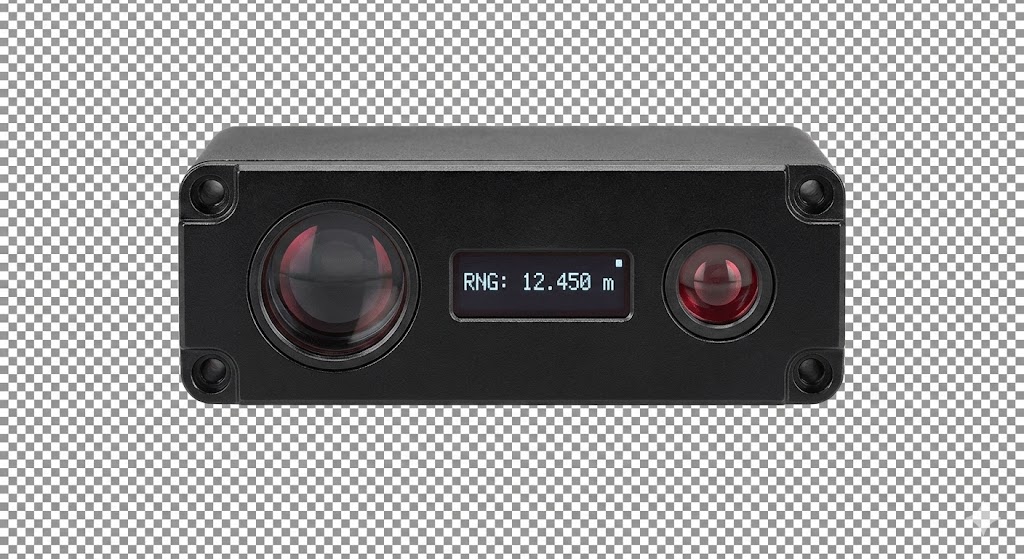
The advantages of laser data sensors are manifold. Their non-contact nature means they can measure hot, fragile, or dangerous objects without risk of damage or contamination. They offer high speed, capturing thousands of data points per second, and exceptional accuracy, often down to the micron level. Furthermore, they are highly reliable in challenging environments, resistant to variations in ambient light and capable of operating in dust or light rain when properly engineered.
However, the path forward is not without challenges. The performance of some systems can be degraded by heavy rain, fog, or highly reflective surfaces. The cost of high-precision, industrial-grade sensors or automotive LiDAR has historically been a barrier to mass adoption, though prices are falling steadily due to technological advancements and economies of scale. Additionally, processing the vast streams of data generated, especially by 3D systems, requires significant computational power and sophisticated algorithms.

Looking ahead, the trajectory for laser data sensors points toward greater miniaturization, reduced power consumption, and enhanced intelligence. Solid-state LiDAR, which has no moving parts, promises to be more compact, durable, and affordable for automotive and robotics applications. The integration of artificial intelligence directly at the sensor level—a concept known as edge computing—will allow for faster, more contextual decision-making. Furthermore, the fusion of laser data with inputs from cameras, radars, and inertial sensors will create more robust and perceptive systems for autonomous machines.
In conclusion, laser data sensors are far more than just measuring tools; they are fundamental enablers of the automated, data-driven world. By converting physical reality into precise digital information, they provide the eyes for machines, allowing them to interact with their environment intelligently and safely. As the technology continues to evolve, becoming more capable and accessible, its role as the invisible force behind modern technology will only grow more profound, quietly powering the next wave of innovation across every sector of society.