In the realm of modern technology, the seamless integration of hardware and software is pivotal for delivering intuitive user experiences. Among the various components that facilitate this synergy, proximity sensors stand out as a critical hardware element, often working in tandem with operating systems (OS) to optimize device functionality. This article delves into the interplay between OS and proximity sensors, exploring how this collaboration enhances both user interaction and device efficiency.
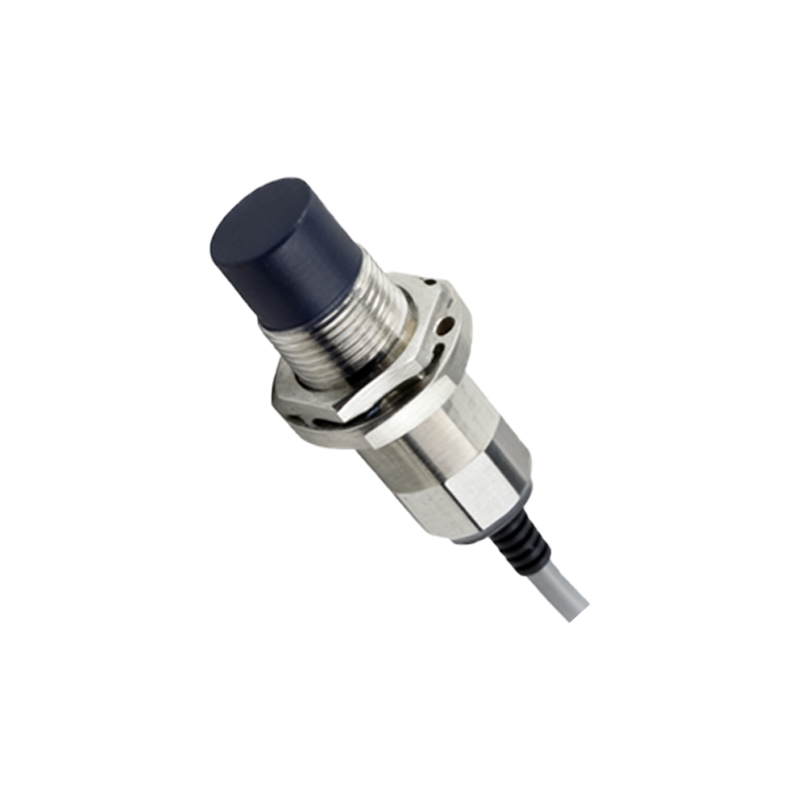
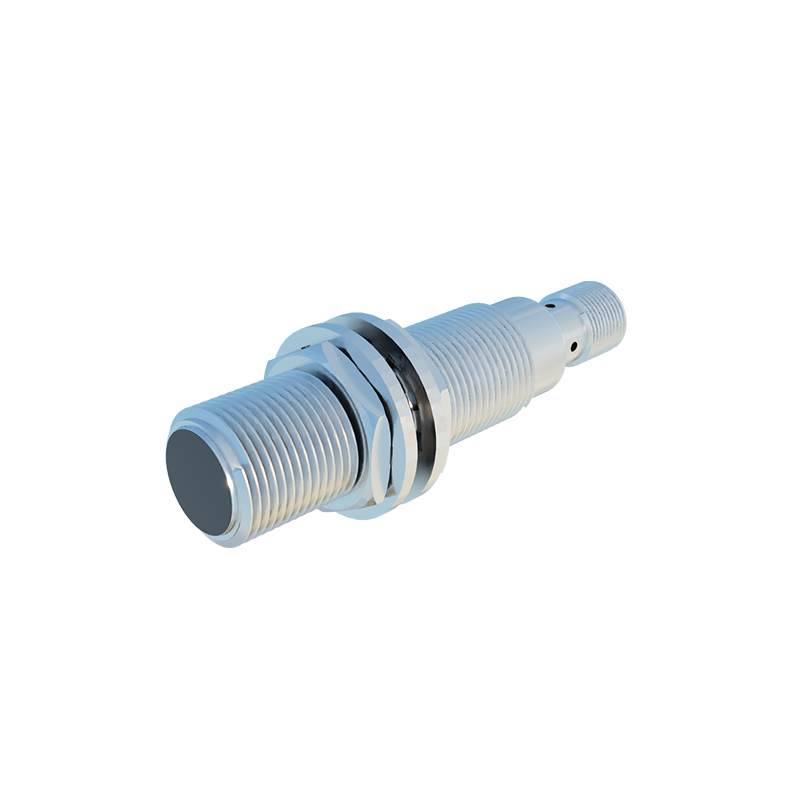
Proximity sensors are devices that detect the presence or absence of objects within a specific range without physical contact. Commonly found in smartphones, tablets, and laptops, these sensors emit an electromagnetic field or beam to sense nearby objects. When integrated with an OS, they enable a range of smart features that respond to user proximity, such as automatically turning off the screen during phone calls to prevent accidental touches or adjusting display brightness based on environmental conditions.
The role of the OS in this partnership is to process sensor data and execute appropriate actions. Operating systems like Android, iOS, and Windows are designed with built-in frameworks and APIs that allow applications to access sensor inputs. For instance, when a user brings a smartphone close to their ear during a call, the proximity sensor detects this movement and sends a signal to the OS. The OS then triggers the screen to dim or turn off, conserving battery life and preventing unintended inputs. This process is managed through low-level drivers and system services that ensure real-time responsiveness.
Beyond basic screen management, OS-level integration with proximity sensors enables advanced functionalities. In automotive systems, proximity sensors can detect obstacles, with the OS processing this data to assist in parking or collision avoidance. In smart home devices, sensors can detect human presence, allowing the OS to automate lighting or climate control. The OS acts as the brain, interpreting sensor data to make context-aware decisions that enhance safety, convenience, and energy efficiency.
From a development perspective, OS support for proximity sensors involves standardized protocols and libraries. Developers can leverage APIs like Android’s SensorManager or iOS’s Core Motion to incorporate proximity-based features into apps. This standardization ensures compatibility across devices and simplifies the creation of innovative applications, such as gesture controls or adaptive user interfaces that respond to user proximity.
However, challenges exist in optimizing OS and proximity sensor interactions. Issues like sensor calibration, power consumption, and latency must be addressed to maintain performance. Modern OS versions incorporate power-saving algorithms and sensor fusion techniques, where data from multiple sensors is combined to improve accuracy and reduce errors. For example, by integrating proximity sensor data with accelerometer inputs, an OS can better distinguish between intentional movements and environmental interference.
Looking ahead, the convergence of OS and proximity sensors is set to evolve with emerging technologies like the Internet of Things (IoT) and artificial intelligence (AI). Future OS updates may include enhanced sensor frameworks for smarter automation, such as predictive responses based on user behavior patterns. As devices become more interconnected, the OS will play a central role in orchestrating sensor data across ecosystems, enabling seamless experiences in smart cities, healthcare, and industrial applications.
In conclusion, the collaboration between OS and proximity sensors is a cornerstone of modern device design, driving improvements in usability, efficiency, and innovation. By understanding this relationship, users and developers alike can appreciate the sophisticated engineering behind everyday interactions, from simple phone calls to complex automated systems. As technology advances, this synergy will continue to shape how we interact with the digital world, making devices more responsive and intuitive than ever before.