In the rapidly evolving landscape of industrial automation, autonomous vehicles, and smart infrastructure, laser sensors have emerged as a critical technology. These devices, which utilize laser beams to measure distance, detect objects, or map environments with high precision, are fundamental to modern innovation. While many companies rely on commercially available, off-the-shelf sensor solutions, there is a growing trend toward independent research and development (R&D) of laser sensors. This approach offers distinct advantages, including customization, enhanced security, and long-term cost efficiency, but it also presents significant technical and resource challenges.
The decision to embark on independent R&D of laser sensors is often driven by the need for specialized performance. Standard sensors may not meet unique requirements for extreme accuracy, specific wavelength operation, or resilience in harsh environments like deep-sea exploration or high-temperature manufacturing. By developing sensors in-house, engineering teams can tailor every component—from the laser diode and photodetector to the signal processing algorithms—to the exact demands of the application. This level of customization is particularly valuable in competitive sectors such as defense, aerospace, and medical robotics, where proprietary technology can become a key market differentiator.
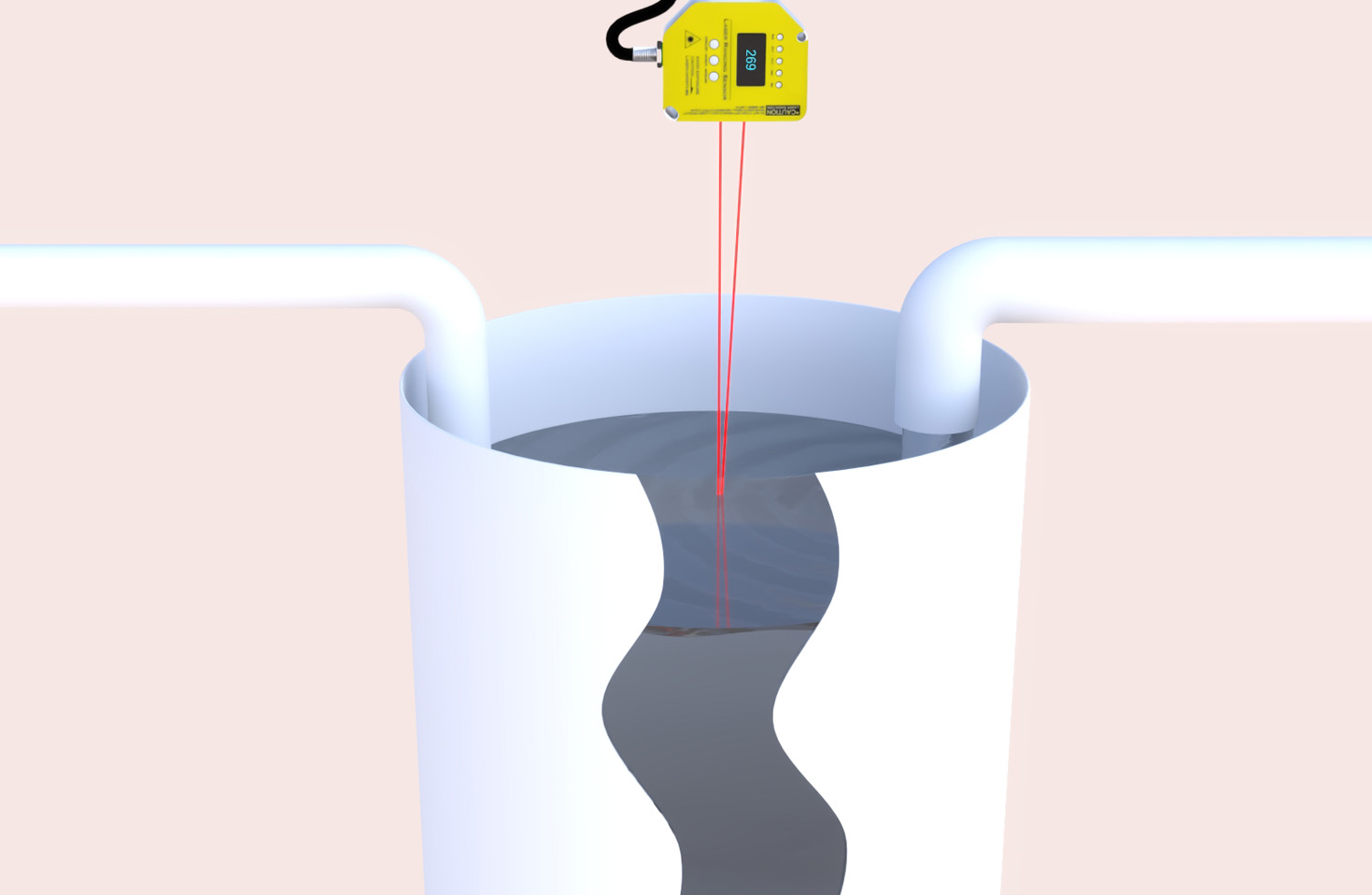
A core component of laser sensor R&D is the optical system. This involves selecting or designing laser sources, which can range from low-power infrared diodes to high-energy pulsed lasers. The choice depends on factors like required range, resolution, and safety. For instance, Light Detection and Ranging (LiDAR) sensors used in self-driving cars often employ near-infrared lasers to create detailed 3D point clouds of the surroundings. Concurrently, the receiver system, including lenses and photodetectors, must be optimized to capture reflected signals accurately. Advanced materials and coatings are frequently researched to improve efficiency and durability.
Equally critical is the electronic and software architecture. The raw analog signal from the photodetector must be converted, filtered, and processed to extract meaningful data. This requires expertise in designing high-speed analog-to-digital converters (ADCs), low-noise amplifiers, and embedded systems. On the software side, algorithms for time-of-flight calculation, noise reduction, and object classification are developed. Machine learning techniques are increasingly integrated to enhance sensor intelligence, enabling features like real-time obstacle recognition. Independent R&D allows for the creation of proprietary algorithms, protecting intellectual property and preventing reliance on third-party software.
The development process is iterative and rigorous. It begins with theoretical modeling and simulation using tools like Zemax or MATLAB to predict optical and system performance. Prototypes are then built and subjected to extensive testing in controlled laboratories and real-world conditions. Parameters such as accuracy, repeatability, response time, and power consumption are meticulously evaluated. Environmental stress tests assess performance under vibration, temperature fluctuations, and humidity. Each test cycle provides data to refine the design, often requiring multiple iterations before achieving a market-ready product.
Resource investment is a major consideration. Independent R&D demands a multidisciplinary team of optical engineers, electronic designers, software developers, and testing specialists. It also requires access to sophisticated equipment, such as optical benches, spectrum analyzers, and environmental chambers. The timeline from concept to commercialization can span several years, with significant upfront costs. However, for organizations with long-term strategic goals, these investments can pay off by reducing per-unit costs over time, avoiding licensing fees, and fostering in-house expertise that drives continuous innovation.
Moreover, independent development enhances data security and supply chain control. In an era where sensor data can be sensitive—such as in military surveillance or industrial espionage—controlling the entire hardware and software stack minimizes vulnerabilities. It also mitigates risks associated with geopolitical tensions or supplier disruptions, ensuring a stable component supply through vertical integration or trusted partnerships.
Despite the advantages, the path is not without obstacles. The field is dense with patents, particularly in key areas like beam steering and signal processing, necessitating thorough freedom-to-operate analyses to avoid infringement. Keeping pace with rapid technological advancements, such as the shift from mechanical to solid-state LiDAR, requires ongoing R&D investment. Additionally, achieving the reliability and certification standards required for automotive or medical applications adds another layer of complexity.
In conclusion, independent R&D of laser sensors represents a strategic commitment to technological leadership. It empowers organizations to create solutions that are precisely aligned with their needs, secure, and potentially more economical in the long run. While demanding in terms of expertise, time, and capital, this approach is a powerful catalyst for innovation, enabling breakthroughs that off-the-shelf components cannot provide. As industries continue to push the boundaries of what is possible, the ability to master laser sensor technology from the ground up will remain a valuable and competitive asset.