In the realm of modern automation and precision measurement, laser 3D sensors have emerged as a cornerstone technology. These devices capture the shape and surface details of objects by projecting laser light and analyzing its reflection, creating highly accurate three-dimensional point cloud data. Unlike traditional 2D vision systems, they add the critical dimension of depth, enabling machines to perceive the world with a richness that closely mimics human spatial understanding.
The fundamental operating principle revolves around optical triangulation or time-of-flight measurement. In a common triangulation setup, a laser line or pattern is projected onto the target object. A camera, positioned at a known angle to the laser source, observes the deformation of this pattern. By calculating the displacement of each point in the laser line, the sensor's onboard processor can determine the precise distance to the object's surface, building a depth map point by point. Time-of-flight sensors, on the other hand, measure the round-trip time for a pulsed laser beam to hit an object and return, directly calculating distance. Each method has its strengths: triangulation offers high precision at shorter ranges, while time-of-flight is effective for longer distances.
Several key types of laser 3D sensors dominate the market. Laser line profilers are workhorses for inspection and profile measurement, scanning a single line rapidly to build 3D models as an object moves or the sensor scans. Area scanners project a broader pattern, such as a grid or multiple lines, to capture a full field of view in a single shot, ideal for static object digitization. Then there are confocal displacement sensors, which use chromatic aberration to achieve nanometer-level resolution for microscopic height variations on surfaces. The choice of sensor depends heavily on factors like required accuracy, measurement speed, working distance, and the environmental conditions of the application.
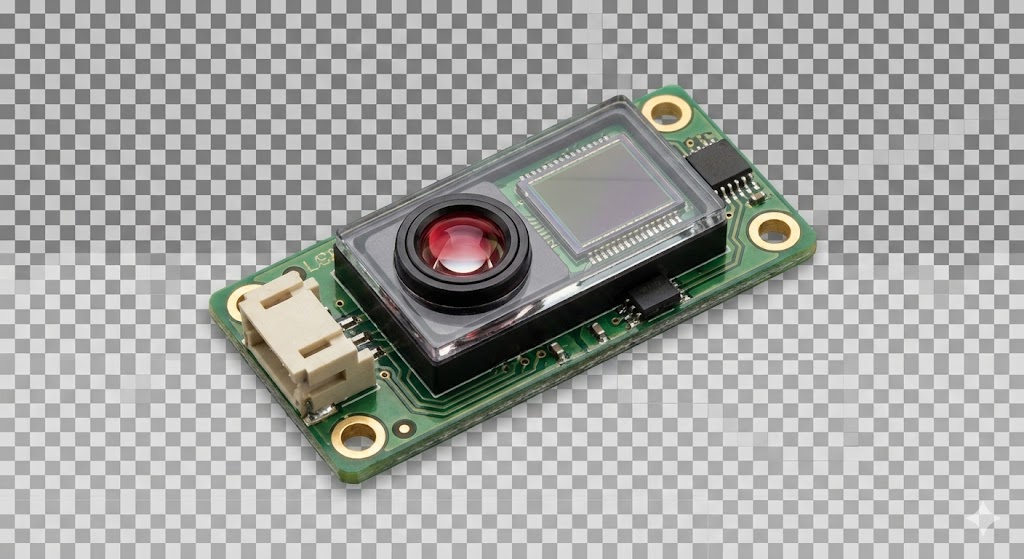
The industrial applications of laser 3D sensors are vast and transformative. In automotive manufacturing, they perform 100% inline inspection of body panel gaps and flushness, ensuring quality and fit. In electronics, they measure the coplanarity of solder balls on chips and inspect component placement on circuit boards with micron-level accuracy. The logistics sector employs them for robotic bin picking, where the sensor guides a robot arm to identify and grasp randomly oriented items from a container. Furthermore, they are indispensable in reverse engineering and quality control, comparing scanned parts against their original CAD models to detect deviations and wear.
Deploying these sensors effectively requires careful consideration. Factors such as ambient light, surface reflectivity (from matte black to shiny metal), and object speed can impact performance. Modern sensors incorporate advanced filters, adaptive exposure settings, and sophisticated algorithms to mitigate these challenges. Integration with robotic systems and industrial networks like Ethernet/IP or PROFINET is also streamlined, making them a plug-and-play component in the Industry 4.0 landscape.
Looking ahead, the evolution of laser 3D sensing points toward even smaller form factors, higher speeds, and lower costs. The integration of artificial intelligence for real-time point cloud analysis is a growing trend, moving beyond simple measurement to automated defect classification and decision-making. As these capabilities expand, laser 3D sensors will continue to be pivotal in driving efficiency, quality, and flexibility across smart factories and beyond, solidifying their role as the eyes of intelligent automation.