In the realm of automation and smart technology, the proximity sensor stands as a fundamental component, enabling devices to perceive their surroundings without physical contact. Among the diverse family of these sensors, the "Proximity Sensor D" represents a specific class known for its distinct operational characteristics and robust performance in demanding environments. This guide delves into the technology behind Proximity Sensor D, its working principles, key features, and the vast array of applications where it proves indispensable.
At its core, a Proximity Sensor D is typically an inductive proximity sensor. This type of sensor generates an electromagnetic field to detect the presence of metallic objects. The "D" often denotes a particular form factor, sensing distance, or output configuration, commonly standardized in industrial catalogs. The primary operating principle involves an oscillator circuit that creates a high-frequency alternating magnetic field at the active face of the sensor. When a ferrous or non-ferrous metal object enters this field, eddy currents are induced on the surface of the target. These currents absorb energy from the oscillator, causing its amplitude to decrease. This change is detected by a threshold circuit, which subsequently triggers a solid-state switch to change the output state (e.g., from OFF to ON). The target then moves away, the oscillator regenerates, and the switch returns to its original state.
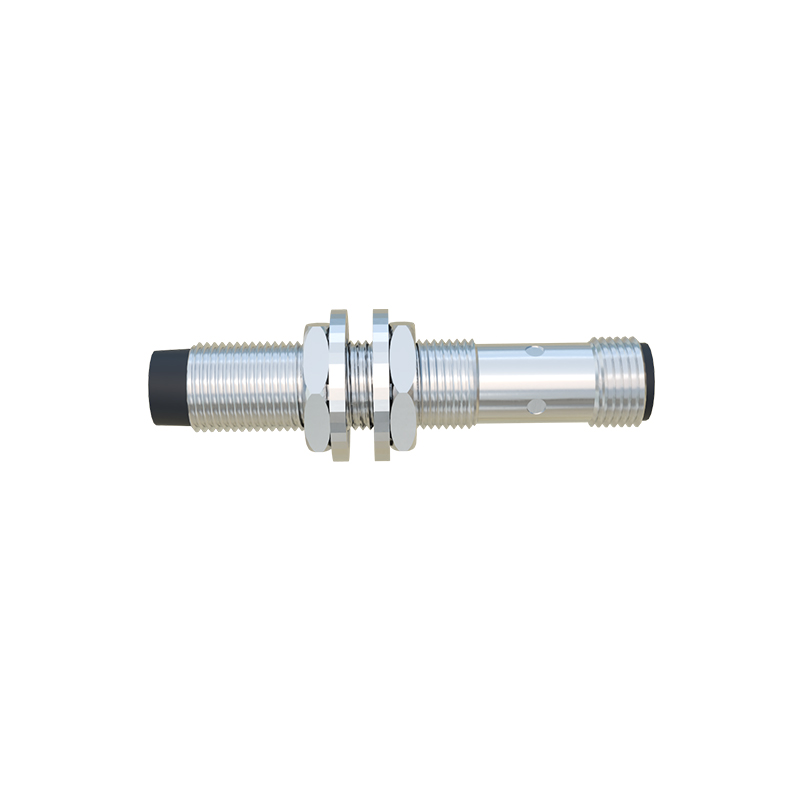
Key technical features define the Proximity Sensor D. First is its sensing range, which is precisely defined and non-adjustable, offering reliable repeatability. It is characterized by a short-range detection capability, typically from 1 to 20 millimeters, depending on the specific model and target material. The housing is usually made of nickel-plated brass, stainless steel, or ruggedized PBT plastic, providing high resistance to mechanical impact, vibrations, and harsh industrial conditions like coolants or oils. Most models offer a choice between NPN (sinking) and PNP (sourcing) DC outputs, or sometimes a Normally Open (NO) or Normally Closed (NC) configuration, allowing for flexible integration into different control systems (PLC, microcontroller). A critical specification is its switching frequency, which defines how quickly it can detect objects in rapid succession—a vital factor in high-speed counting or sorting applications. Furthermore, many Proximity Sensor D units feature built-in protection against short-circuits, overloads, and reverse polarity, enhancing system durability.
The application spectrum for Proximity Sensor D is remarkably broad. In industrial automation, it is ubiquitous on assembly lines for precise part detection, position verification, and end-of-travel limit sensing on robotic arms or linear actuators. It serves as a vital component in automated packaging machinery to confirm the presence of metallic containers or lids. Within the automotive manufacturing sector, these sensors ensure correct part placement in welding and painting robots. Beyond heavy industry, they are found in consumer electronics, such as smartphones and tablets, where a miniature version is used to disable the touchscreen during a phone call when the device is held near the ear, conserving power and preventing accidental inputs. They also play roles in security systems, vending machines, and material handling equipment.
When selecting a Proximity Sensor D for a project, several factors must be considered. The material of the target object is paramount; standard inductive sensors detect metals, with different correction factors for steel, aluminum, or copper. The required sensing distance and the physical size constraints of the installation location dictate the sensor's dimensions. Environmental conditions, including temperature extremes, exposure to chemicals, or potential washdowns, determine the needed ingress protection (IP) rating. Finally, electrical compatibility with the existing control system's voltage and current requirements is essential for seamless operation.
Installation and maintenance are straightforward but require attention to detail. Ensuring a clean sensing face free from debris, metal filings, or adhesive buildup is crucial for optimal performance. Proper mounting, often flush or non-flush as specified by the manufacturer, guarantees the advertised sensing range. While these sensors are known for their longevity due to the absence of moving parts, periodic checks for physical damage and verification of output signals help maintain system reliability.
In conclusion, the Proximity Sensor D is a versatile, reliable, and critical workhorse in modern sensing technology. Its ability to provide non-contact, wear-free detection of metallic objects with high speed and precision makes it an irreplaceable component across countless industries. From orchestrating complex robotic assembly to enabling simple user-convenience features in everyday gadgets, its role is both profound and pervasive. Understanding its technology and proper application parameters is key to leveraging its full potential in designing efficient, intelligent, and automated systems.