In industrial environments, proximity switch sensors are indispensable components for detecting the presence or absence of objects without physical contact. However, one of the most significant challenges these sensors face is exposure to high temperatures. Excessive heat can degrade sensor performance, shorten lifespan, and lead to costly downtime. This article delves into the critical aspects of high temperature protection for proximity switch sensors, offering practical strategies and solutions to ensure reliability in demanding applications.
Proximity sensors, including inductive, capacitive, and magnetic types, are designed with electronic components that have specific temperature thresholds. Typically, standard sensors operate effectively within a range of -25°C to 70°C. Beyond this range, especially in high-temperature settings like foundries, welding operations, engine compartments, or near industrial ovens, sensors are at risk. The primary effects of overheating include insulation breakdown, coil damage in inductive sensors, drift in sensing distance, and eventual complete failure.
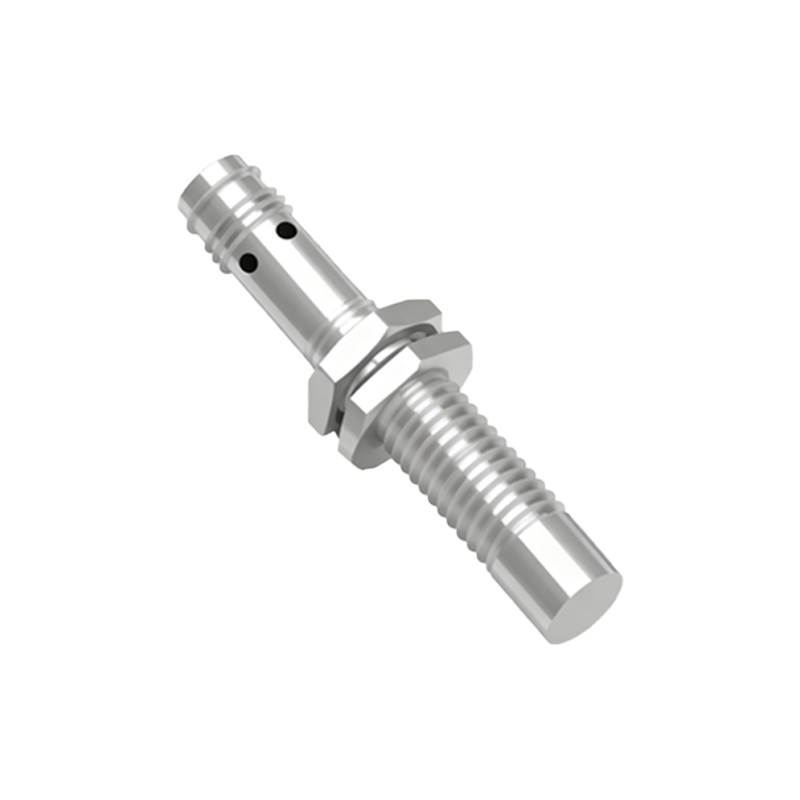
To combat these issues, several protection strategies can be implemented. First, selecting sensors specifically rated for high temperatures is crucial. Many manufacturers offer high-temperature variants capable of withstanding up to 150°C or even 200°C. These sensors are constructed with heat-resistant materials such as PTFE (Teflon) cables, ceramic faces, and specialized housing alloys that dissipate heat more effectively.
Another effective approach is the use of thermal barriers or heat shields. Installing a simple metal shield between the heat source and the sensor can significantly reduce radiant heat exposure. For extreme conditions, active cooling systems like air or water cooling jackets can be integrated. These jackets circulate coolants around the sensor, maintaining it within a safe operational temperature. However, this adds complexity and cost, so it's often reserved for critical applications.
Proper installation and mounting also play a vital role in temperature management. Sensors should be positioned away from direct heat sources whenever possible. Increasing the distance by just a few inches can dramatically lower the ambient temperature. Additionally, using mounting brackets made of materials with low thermal conductivity, such as stainless steel, can minimize heat transfer from hot machinery to the sensor body.
Regular maintenance and monitoring are essential for longevity. Implementing temperature sensors alongside proximity switches can provide real-time data on thermal conditions, allowing for preemptive actions before damage occurs. Infrared thermometers or thermal cameras can be used during routine inspections to identify hotspots. Furthermore, ensuring that sensor cables are rated for high temperatures and are not routed near hot surfaces prevents insulation melting and short circuits.
In applications where sensors must be placed in extremely hot zones, non-contact sensing alternatives might be considered. For example, using fiber optic sensors with remote amplifiers can separate the sensitive electronics from the high-temperature area. The sensing head, made of robust materials, can endure the heat while the amplifier remains in a cooler location.
Environmental sealing is another factor; high-temperature often coincides with harsh conditions like dust, moisture, or chemicals. Selecting sensors with appropriate IP (Ingress Protection) ratings, such as IP67 or IP69K, ensures that seals do not degrade under thermal stress, maintaining integrity.
Ultimately, a proactive design philosophy is key. Engineers should assess the thermal profile of the application during the planning stage. Consulting with sensor manufacturers for custom solutions can yield tailored designs that balance performance and durability. By integrating these protection measures, industries can enhance the resilience of their automation systems, reduce maintenance costs, and improve overall operational efficiency.
As technology advances, new materials and smart sensors with embedded temperature compensation are emerging, offering even greater adaptability. Investing in high-temperature protection today not only safeguards equipment but also supports the transition towards more robust and intelligent industrial ecosystems.