Proximity sensors are fundamental components in modern industrial automation, serving as the silent sentinels that detect the presence or absence of objects without physical contact. Their reliability and precision hinge significantly on their mechanical structure, which is meticulously engineered to protect sensitive internal electronics and ensure consistent performance in harsh environments. This article delves into the core mechanical principles and construction of common industrial proximity sensor types.
The primary mechanical housing, typically crafted from materials like nickel-plated brass, stainless steel (V2A/AISI 304, V4A/AISI 316), or industrial-grade plastics (PBT, PPS), forms the first line of defense. This housing is designed to meet specific Ingress Protection (IP) ratings, such as IP67 or IP69K, safeguarding the sensor against dust, water jets, and high-pressure cleaning. The choice of material is critical; stainless steel offers superior corrosion resistance for chemical or food processing applications, while robust plastics provide cost-effective solutions and electrical isolation.
At the heart of the sensor's front end is the sensing face or active surface. This is where the electromagnetic or electrostatic field is emitted. Mechanically, this face is often a flush-mounted, wear-resistant disc made of a material that is transparent to the sensor's field, such as specific ceramics or polymer compounds. In cylindrical sensors, this face is integrated into the front end-cap. A key mechanical feature is whether the sensor is "flush-mountable" or "non-flush." Flush-mountable sensors can be embedded in a metal bracket without affecting their sensing range, as their field is focused directly ahead. This is achieved through internal shielding—a metallic collar or ferrite core that shapes the field. Non-flush sensors have an extended sensing face and offer longer ranges but require free space around them.

Internal mechanical assembly is precision-based. The oscillator coil, core, and evaluation electronics are securely potted within the housing using epoxy resin or silicone compounds. This potting process is vital for several reasons: it immobilizes components against vibration (resistance to shocks up to 30g or more is common), provides excellent heat dissipation, and creates a hermetic seal against moisture and contaminants. The potting compound's thermal expansion properties are matched to the housing and components to prevent stress cracks over temperature cycles.
For inductive proximity sensors, the mechanical arrangement of the ferrite core, coil, and damping magnet (in damped-oscillator designs for detecting all metals) is paramount. The core's geometry focuses the alternating magnetic field. Any metallic target entering this field induces eddy currents, which are mechanically "sensed" as a change in oscillation amplitude, triggering the output switch. The air gap between the internal coil assembly and the housing's inner wall is a critical mechanical tolerance, directly influencing the sensor's nominal sensing distance (Sn).
Capacitive sensors share similar rugged housing principles but feature a different front-end design. Their sensing face often consists of two concentric or adjacent electrodes insulated from each other and the housing. The mechanical design ensures these electrodes are exposed to the environment to form one plate of a capacitor, with the target object forming the other. The dielectric material of the face and its thickness are mechanically controlled to define sensitivity.
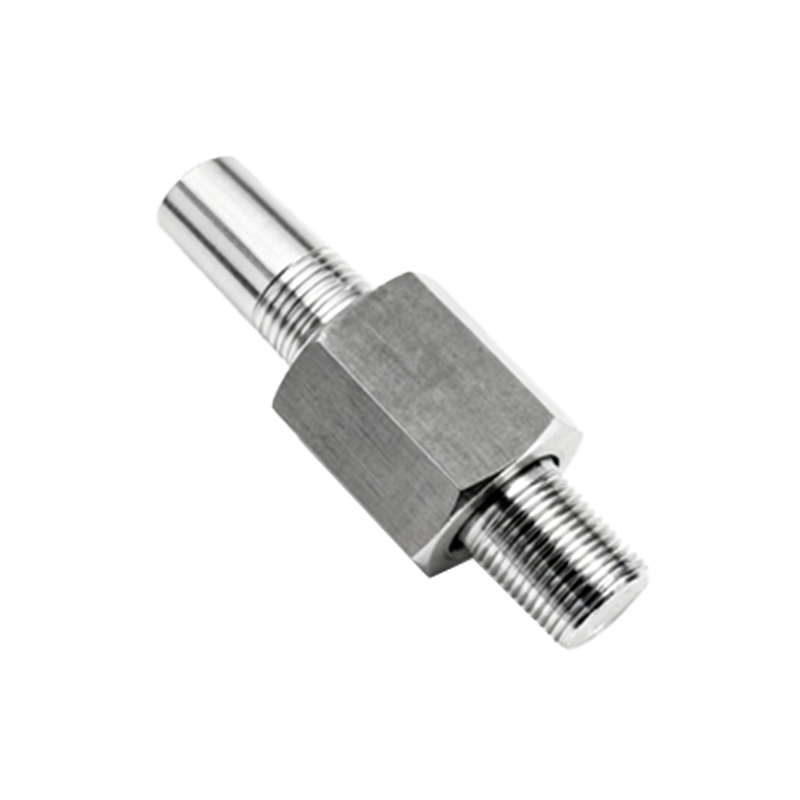
Connection methods are a crucial mechanical interface. Sensors feature either pre-wired cables with strain relief glands or quick-disconnect (QD) connectors, often meeting M8, M12, or M23 standards. The strain relief is a critical mechanical component, designed to absorb torsional and tensile forces, preventing wire breakage at the solder points. For QD connectors, the housing incorporates a robust threaded or bayonet-locking mechanism, often with a sealing O-ring, to ensure a vibration-proof and watertight connection.
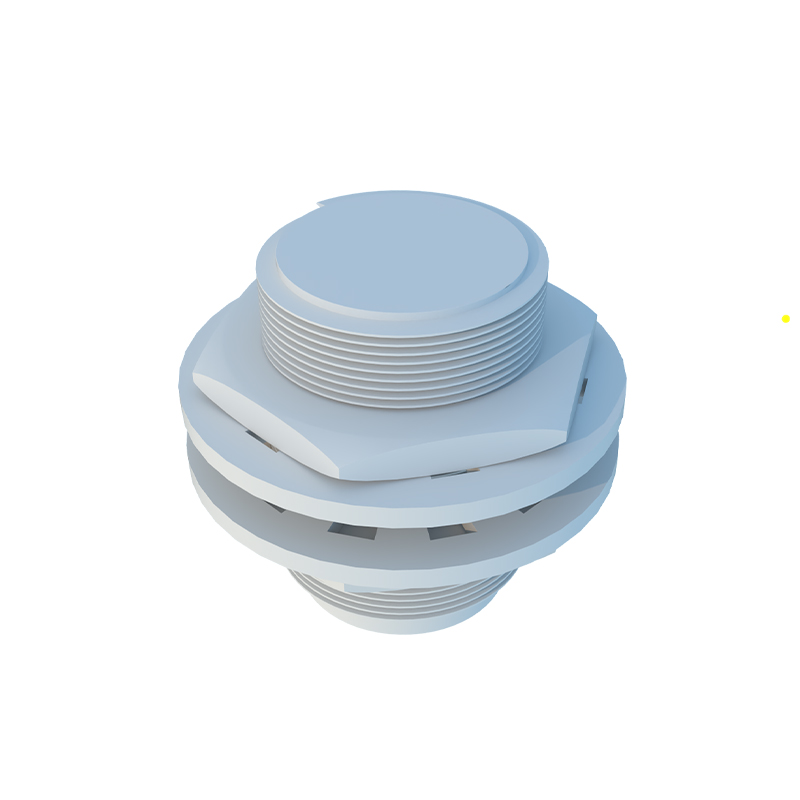
Finally, mechanical installation features like hexagonal nuts for easy mounting in standard sensor brackets, LED indicator windows made of polycarbonate, and labeling for adjustment potentiometers (for sensing range or hysteresis) are all integral. The entire mechanical structure is a symphony of material science, precision machining, and design for reliability, ensuring that the proximity sensor delivers millions of actuations with unwavering accuracy on the factory floor.