In the realm of building automation and smart facility management, restroom efficiency and hygiene have become critical focal points. Traditional infrared (IR) sensors, while widely adopted, often face limitations in accuracy, reliability, and adaptability to diverse environments. Enter laser sensor technology—a sophisticated advancement that is revolutionizing restroom automation with unparalleled precision and intelligence.
Laser sensors operate on the principle of time-of-flight (ToF) or triangulation measurement, emitting a focused laser beam to detect objects or occupancy. Unlike conventional IR sensors that rely on passive infrared detection, laser sensors actively measure distance and movement with high resolution. In restroom applications, this translates to exact detection of toilet stall occupancy, urinal usage, sink activity, and even hand dryer or soap dispenser engagement. The laser beam's narrow focus minimizes false triggers from ambient factors like steam, shadows, or temperature fluctuations—common pitfalls in busy restrooms.
The core advantages of laser sensors in restrooms are multifaceted. Firstly, precision detection ensures optimal resource management. For instance, laser-equipped flush valves or faucets activate only when a user is within a precisely defined zone, reducing water waste significantly. Studies indicate that laser-based systems can cut water usage by up to 30% compared to standard IR sensors. Secondly, enhanced hygiene is achieved through touch-free operation, as lasers detect gestures or presence without physical contact, curbing germ transmission. Moreover, laser sensors integrate seamlessly with IoT platforms, enabling real-time data analytics on usage patterns, maintenance needs, and energy consumption. Facility managers can monitor restroom traffic, predict cleaning schedules, and troubleshoot issues proactively, elevating operational efficiency.
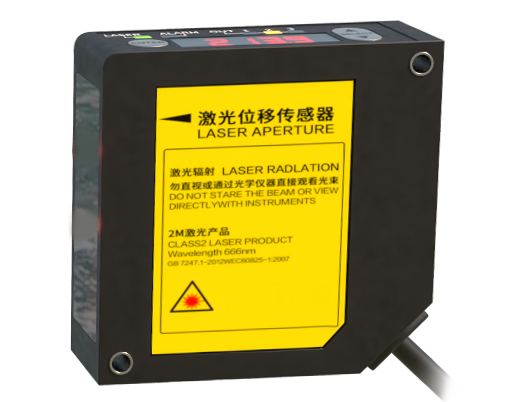
From an engineering perspective, implementing laser sensors requires careful consideration of factors like beam alignment, environmental interference, and power supply. Modern laser sensors for restrooms are designed with robust housings (typically IP67-rated for water and dust resistance) and low-power consumption modules, suitable for high-moisture environments. They often feature adjustable sensitivity and range settings, allowing customization for varied restroom layouts—from compact stalls to expansive public facilities. Additionally, safety is paramount; restroom laser sensors use Class 1 laser products, which are eye-safe and compliant with international standards such as IEC 60825-1.
Industry trends show a growing adoption of laser sensors in commercial, healthcare, and transportation restrooms, driven by sustainability goals and health-conscious demands. Innovations like multi-beam laser arrays and AI-enhanced sensors are emerging, enabling even smarter functions—such as detecting improper usage or predicting fixture failures. As the Internet of Things (IoT) expands, laser sensors will likely become central to connected restroom ecosystems, interfacing with building management systems for holistic automation.
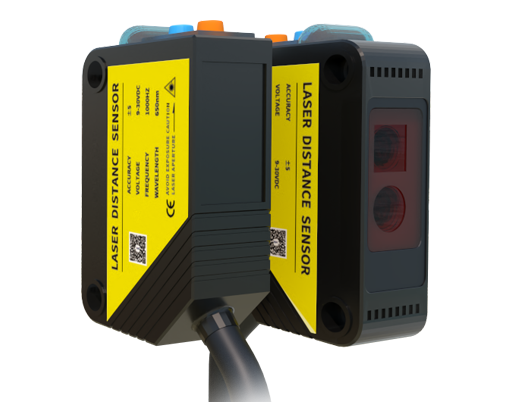
In conclusion, laser sensor technology represents a leap forward in restroom automation, offering precision, hygiene, and intelligence that surpass traditional methods. For engineers and facility planners, embracing this technology means not only enhancing user experience but also contributing to water conservation and operational excellence. As advancements continue, laser sensors are set to redefine the standards of modern restroom design, making them cleaner, smarter, and more sustainable for the future.
