Cylinder metal proximity switch sensors are critical components in modern industrial automation systems, designed to detect the presence or position of pneumatic or hydraulic cylinder pistons without physical contact. These sensors operate based on electromagnetic principles, specifically utilizing eddy currents generated in metallic targets. When a metal object, such as a cylinder piston, enters the sensor's detection range, it disrupts the sensor's electromagnetic field, triggering a signal output. This non-contact detection method ensures high reliability, longevity, and minimal maintenance, making it ideal for harsh industrial environments where dust, moisture, and vibration are prevalent.
The construction of these sensors typically involves a robust housing made from materials like stainless steel or nickel-plated brass, providing resistance to corrosion and mechanical stress. Internally, they incorporate an oscillator, a demodulator, and an output switching circuit. The oscillator generates a high-frequency electromagnetic field at the sensing face. As a metal target approaches, eddy currents are induced, causing a change in the oscillator's amplitude. This change is detected by the demodulator, which then activates the output circuit—commonly providing PNP or NPN transistor outputs, or analog signals for precise position feedback. Key specifications include sensing distance (usually ranging from 1 to 20 mm), response frequency (up to several kHz for high-speed applications), and environmental ratings such as IP67 for water and dust resistance.
In industrial applications, cylinder proximity switches are integral to pneumatic and hydraulic systems for end-position detection, mid-stroke positioning, and sequence control. For instance, in assembly lines, they ensure cylinders are correctly extended or retracted before initiating the next operation, enhancing safety and efficiency. They are also used in packaging machinery, automotive manufacturing, and material handling systems. Installation considerations involve proper alignment with the cylinder's piston or target, typically a metal flag or the piston itself, to ensure consistent detection. Factors like target material (steel, aluminum, or brass), size, and temperature variations must be accounted for, as they affect sensing performance.
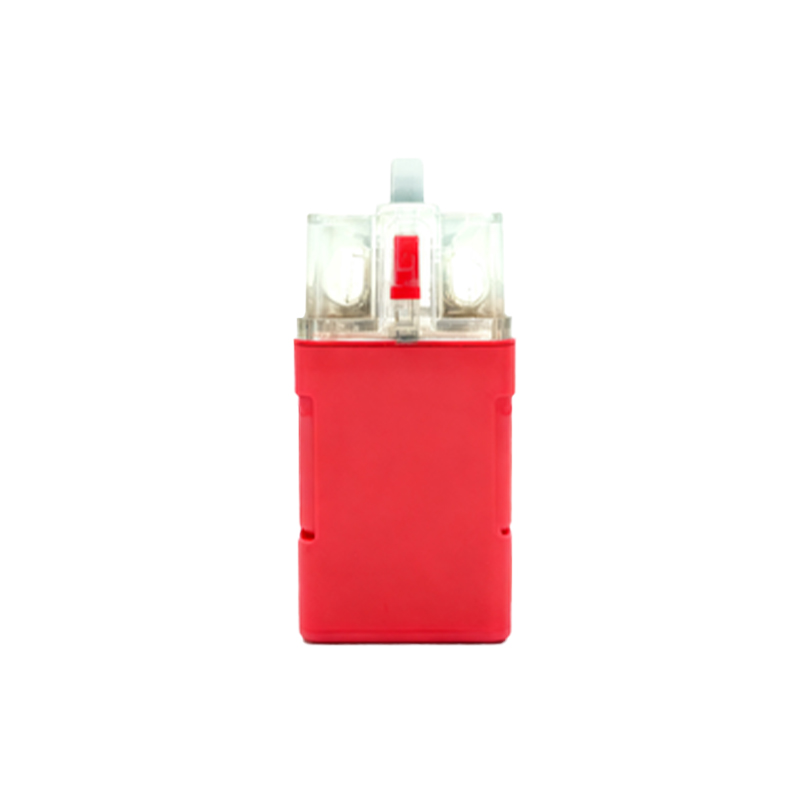
Advantages over mechanical limit switches include no moving parts, which eliminates wear and tear, and faster response times enabling higher cycle rates. Additionally, their sealed designs prevent contamination from oils or coolants. However, limitations exist, such as reduced effectiveness with non-metallic targets and potential interference from adjacent metal objects. To mitigate this, shielded versions are available to focus the electromagnetic field, minimizing false triggers. Regular maintenance involves checking for physical damage, verifying electrical connections, and ensuring the sensing face remains clean from debris.
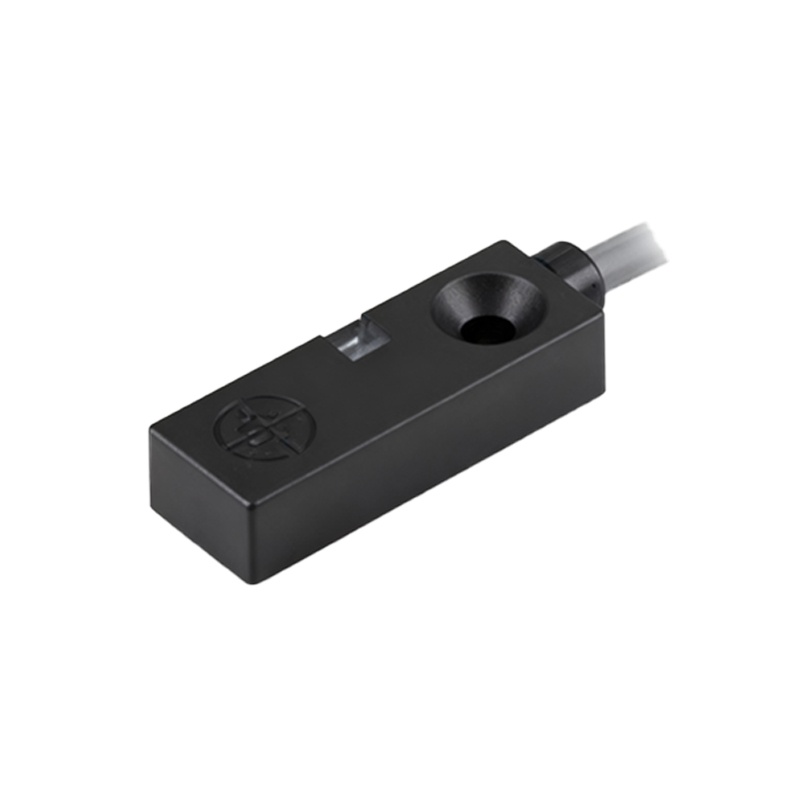
Future trends in cylinder proximity sensors include integration with Industrial Internet of Things (IIoT) platforms, enabling predictive maintenance through real-time monitoring of sensor health and performance data. Smart sensors with IO-Link communication provide detailed diagnostics, parameter adjustments, and seamless connectivity to programmable logic controllers (PLCs). As industries advance toward Industry 4.0, these sensors will play a pivotal role in enhancing automation precision and operational intelligence.
In summary, cylinder metal proximity switch sensors are indispensable for reliable, non-contact detection in automated systems. Their robust design, adaptability to various industrial conditions, and evolving smart features make them a cornerstone of efficient and safe manufacturing processes. Engineers and technicians should prioritize selecting sensors based on application-specific requirements, including environmental factors, target properties, and output needs, to optimize system performance.