In today's world, air quality monitoring has become a critical concern for health, safety, and environmental management. Among the various technologies enabling precise measurement of airborne particles, the laser dust sensor stands out as a highly accurate and reliable solution. This article delves into the workings, applications, and advantages of this sophisticated technology.
At its core, a laser dust sensor operates on the principle of light scattering. A controlled laser diode emits a focused beam of light into a detection chamber through which air is drawn. When airborne particles, such as PM2.5 or PM10, pass through this laser beam, they scatter the light in different directions. A photodetector, positioned at a specific angle (typically 90 degrees), captures this scattered light. The intensity of the scattered light is directly proportional to the concentration and size of the particles. Sophisticated algorithms then analyze this signal to calculate the mass concentration of particulate matter per unit volume of air, providing real-time data.
The technology's precision stems from several key components. The laser diode must be stable and consistent, as fluctuations can lead to measurement errors. The detection chamber is designed to minimize background noise and ensure that only scattered light from particles reaches the photodetector. Advanced sensors often incorporate temperature and humidity compensation mechanisms, as these environmental factors can influence light scattering properties. Furthermore, modern laser dust sensors are equipped with digital interfaces, such as UART or I2C, allowing for seamless integration into larger monitoring systems or Internet of Things (IoT) networks.
Applications for laser dust sensors are vast and growing. In residential and commercial settings, they are integral to smart air purifiers, HVAC systems, and indoor air quality monitors, helping to create healthier living and working environments by automatically triggering filtration when pollutant levels rise. Industrial applications include monitoring air quality in manufacturing facilities, cleanrooms, and construction sites to ensure worker safety and compliance with occupational health standards. Environmental agencies deploy these sensors in outdoor monitoring stations to track urban pollution, providing crucial data for public health advisories and policy-making. The automotive industry is also incorporating them into vehicle cabin air quality systems.
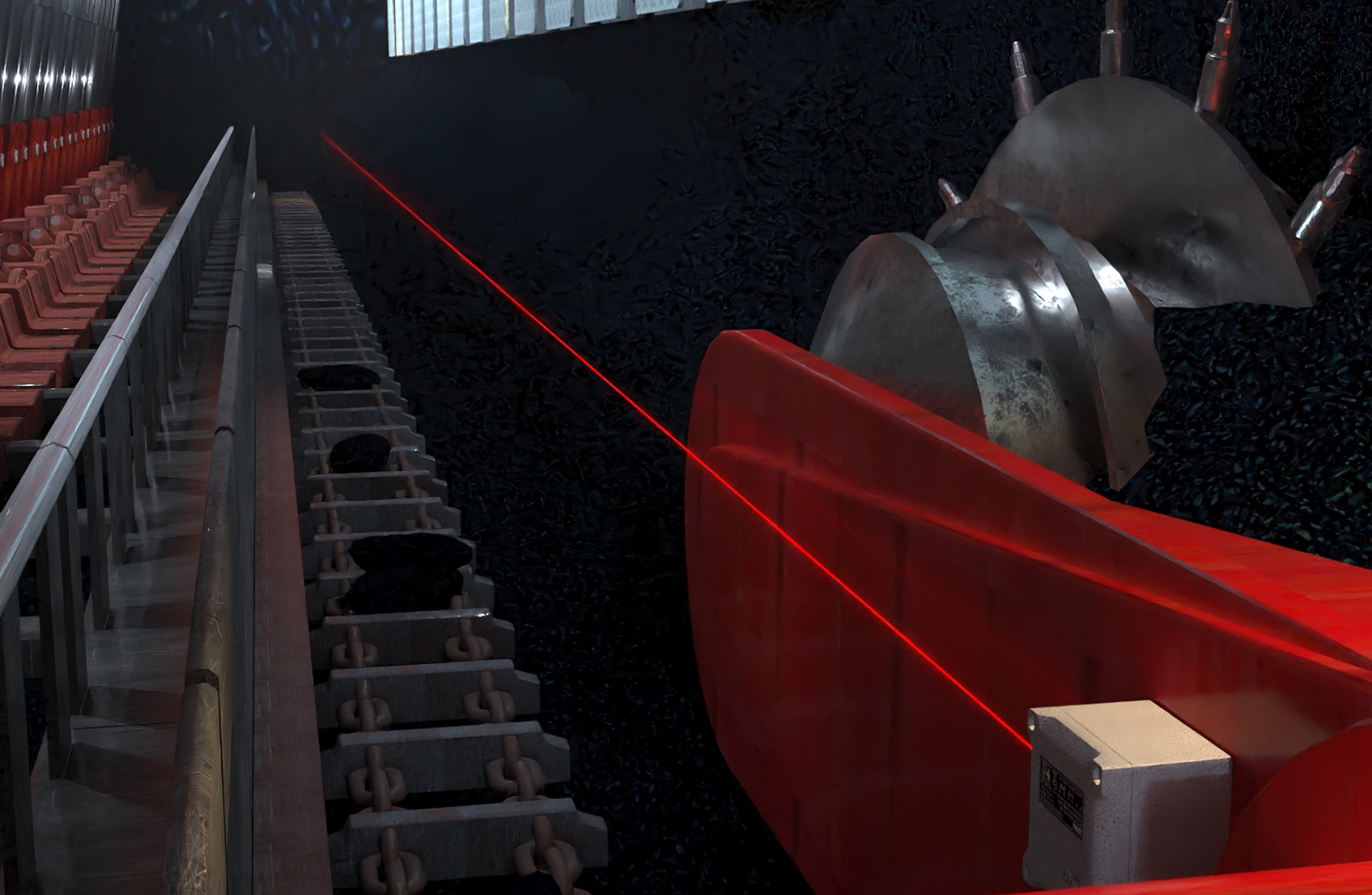
Compared to traditional dust sensing methods, such as infrared sensors or gravimetric analysis, laser-based sensors offer significant advantages. Their primary benefit is high accuracy and sensitivity, capable of detecting fine particles down to 0.3 microns. They provide real-time, continuous data output, unlike passive methods that require laboratory analysis. Laser dust sensors are also known for their longevity and stability, with minimal drift over time. While the initial cost may be higher than simpler infrared sensors, their precision and reliability often justify the investment for applications where data quality is paramount.
When selecting a laser dust sensor, several factors should be considered. Key specifications include measurement range (typically from 0 to 1000 µg/m³), particle size detection capability, response time, and power consumption. The sensor's form factor and output protocol must be compatible with the intended device or system. It is also essential to consider the operating environment, as extreme temperatures or high humidity levels can affect performance, though many models are designed to compensate for these conditions.
Maintenance is generally straightforward but crucial for sustained accuracy. The sensor's intake and detection chamber should be kept free of large debris or obstructions. While the laser and photodetector are sealed, periodic checks for dust accumulation on external vents are recommended. Most quality sensors are calibrated at the factory and do not require user recalibration under normal use, though professional recalibration may be advised after several years of continuous operation.
Looking ahead, the evolution of laser dust sensor technology points toward even smaller form factors, lower power consumption, and enhanced connectivity. Integration with artificial intelligence for predictive air quality analysis and greater interoperability within smart city infrastructures are key trends. As public awareness of air pollution's health impacts grows, the demand for accessible, precise monitoring will continue to drive innovation in this field.
In conclusion, the laser dust sensor represents a mature and vital technology in the quest for cleaner air. By converting the invisible problem of particulate pollution into precise, actionable data, it empowers individuals, industries, and governments to make informed decisions that protect health and the environment. Its combination of accuracy, reliability, and versatility ensures its place as a cornerstone of modern air quality management.